China Humanities Seminar
Events
-
-
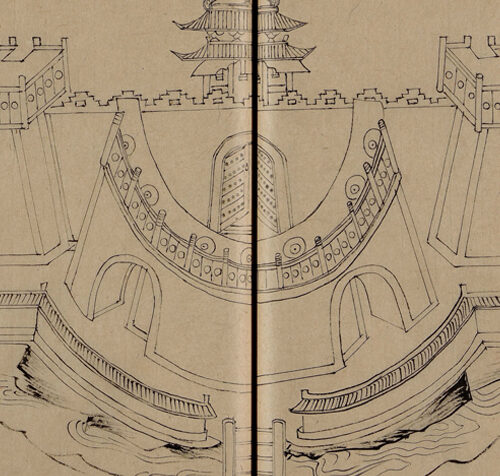
China Humanities Seminar featuring Franciscus Verellen – The General and His Scribe: The Fall of the Tang in Contemporary Sources
Common Room, 2 Divinity Ave. 2 Divinity Ave., Cambridge, Massachusetts, United StatesSpeaker: Franciscus Verellen, Professor Emeritus, École française d’Extrême-Orient (EFEO); Vice President, Académie des Inscriptions et Belles-Lettres, Institut de France The understudied end phase of the Tang dynasty (618–907) is mainly known through official accounts dating to the tenth and eleventh centuries. This lecture examines the process that led to the empire’s breakup from the vantage
-
-
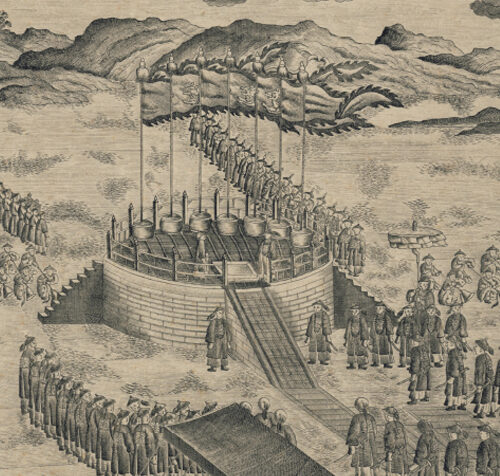
China Humanities Seminar featuring Matthew Wild — When was Qing Poetry? Huang Jingren and the Ancient Song
Common Room, 2 Divinity Ave. 2 Divinity Ave., Cambridge, Massachusetts, United States**NOTE UPDATED DATE***Speaker: Matthew Wild, Preceptor in Literary Sinitic, Harvard University. This talk examines the poetics of time at the height of Qing empire. It offers a new approach to the work of the Qing poet Huang Jingren (1749–1783) against his subsequent appropriation by early twentieth-century writers who claimed Huang as a proleptic modern Chinese
-
-

China Humanities Seminar featuring Shoufu Yin — The China that Could Have Been: Counterfactual Imagination and Political Thought, 1313-1621
Common Room, 2 Divinity Ave. 2 Divinity Ave., Cambridge, Massachusetts, United StatesSpeaker: Shoufu Yin, Assistant Professor of History, University of British Columbia What could China—or the entire world—have been? Starting in the fourteenth century, hundreds of thousands of individuals in present-day China, Korea, and Vietnam were ruminating on this question in their own ways. They began by placing themselves in a moment in Chinese history, composing
-
-

China Humanities Seminar featuring Ya Zuo — Fighting Feelings with Feelings: The Quanzhen Daoist Ordering of Emotional Life
Common Room, 2 Divinity Ave. 2 Divinity Ave., Cambridge, Massachusetts, United StatesSpeaker: Ya Zuo, Associate Professor of History, University of California, Santa Barbara Quanzhen Daoism wielded a profound influence across eastern Eurasia, shaping the intellectual landscape of the Jurchen Jin dynasty (1115–1234) and leaving a lasting impact on the Mongol Yuan empire (1279–1368). In this talk, I delve into the focus on emotions in Quanzhen philosophy. The religion
-
-
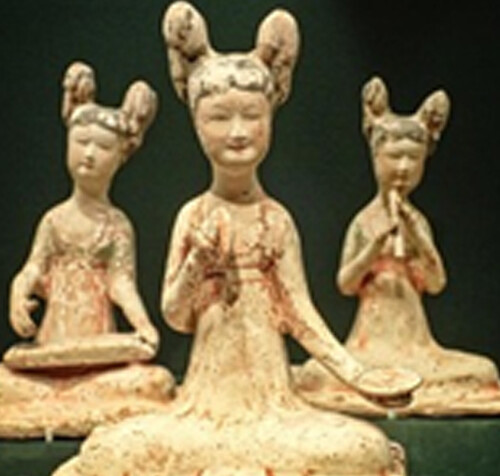
China Humanities Seminar featuring Robert Ashmore — Song and its Powers: Revisiting the Question of the “Musicality” of the Song-poems of Li He 李賀 (790–816)
Common Room, 2 Divinity Ave. 2 Divinity Ave., Cambridge, Massachusetts, United StatesSpeaker: Robert Ashmore, Associate Professor and Chair, Department of East Asian Languages and Cultures, University of California Berkeley Li He’s own writings, as well as comments from his contemporaries and later critics, persistently note the centrality of song and musical traditions to his distinctiveness as a poet—from early on, his works themselves were often referred
-
-
China Humanities Seminar featuring Tamara Chin — How to Do Things with Loanwords: Premodern Sino-Xenic Language Contact in Modern Philology, Linguistics, and Politics, 1870-1970
Common Room, 2 Divinity Ave. 2 Divinity Ave., Cambridge, Massachusetts, United StatesSpeaker: Tamara Chin, Associate Professor of Comparative Literature, Brown University The study of ancient language contact traditionally lacked prestige in both Confucian classical studies and European philology. This changed somewhat in the early twentieth century. The discovery of multilingual manuscript archives in and around Dunhuang coincided with the internationalization of Western-style linguistics, prompting both scientific and political interest
-
-
China Humanities Seminar featuring Robert Campany — Traditions of Exemplary Transcendents (Liexian zhuan 列仙傳): A Reading
Common Room, 2 Divinity Ave. 2 Divinity Ave., Cambridge, Massachusetts, United StatesSpeaker: Robert Campany, Gertrude Conaway Vanderbilt Chair in Humanities; Professor of Asian Studies, Vanderbilt University Liexian zhuan, plausibly attributed to the late Western Han scholiast and court official Liu Xiang 劉向 (79-8 BCE), is the earliest extant collection of anecdotes about individuals deemed to have transcended the limits of the human condition to become beings
-
-
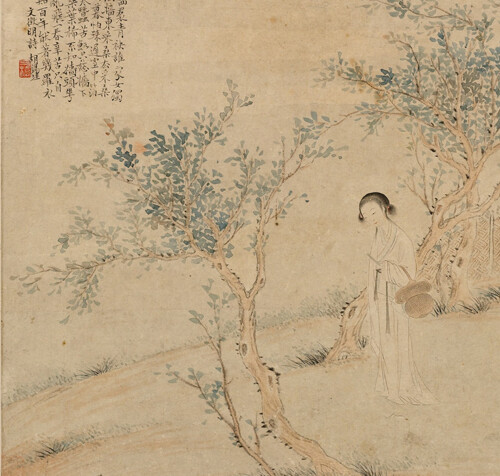
China Humanities Seminar featuring Zhuming Yao —The Early Chinese Lyric “I”: Between Poetics and Hermeneutics
Common Room, 2 Divinity Ave. 2 Divinity Ave., Cambridge, Massachusetts, United StatesSpeaker: Zhuming Yao, Assistant Professor of Chinese & Comparative Literature at Boston University Many poems in the Shijing 詩經 feature a lyric “I,” a first-person voice speaking about intense emotions. Yet, who those “Is” are has never been clear. After two millennia of commentarial writings, we are no more certain than the first critics of
-
-
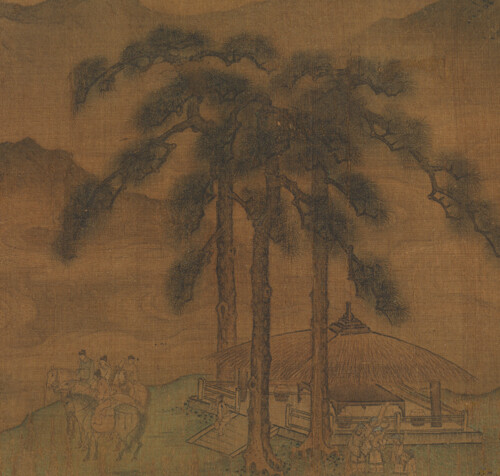
China Humanities Seminar featuring Lili Xia — Geocultural “Northernness” of Jurchen-Ruled China
Common Room, 2 Divinity Ave. 2 Divinity Ave., Cambridge, Massachusetts, United StatesSpeaker: Lili Xia, Assistant Professor, Department of Asian and Middle Eastern Cultures, Barnard College. The geocultural significance of the “North” was crucial to the competing claims to China between the Jurchen Jin (1115–1234) and Southern Song (1127–1279) dynasties. This talk examines the contemporary conception of “northernness,” arguing that Jurchen-ruled North China was at once a
-
-

China Humanities Seminar featuring Matthias Richter — Early Chinese Texts Between Oral Instruction and Written Literature
Common Room, 2 Divinity Ave. 2 Divinity Ave., Cambridge, Massachusetts, United StatesSpeaker: Matthias L. Richter, Associate Professor of Chinese, University of Colorado at Boulder Audiences in early China were probably more aware of technicalities in texts than we are today, since they had first-hand experience of a predominantly oral textual culture and the management of cognitive load it required. Conventions of structuring texts rooted in this
-
-
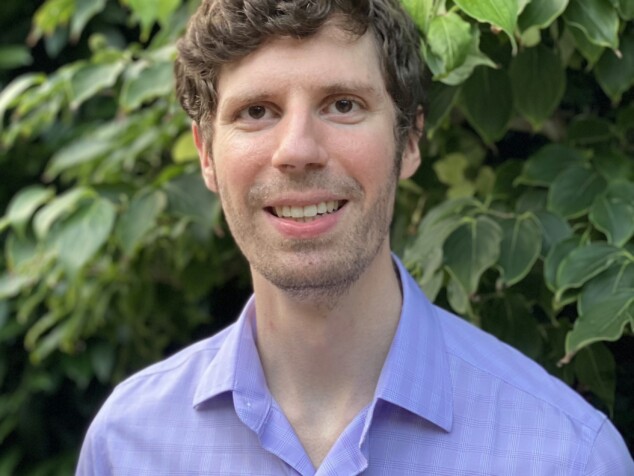
China Humanities Seminar featuring Nathan Vedal — The Art of (Tested) Translation: Manchu Exams in the Eighteenth and Nineteenth Centuries
Common Room, 2 Divinity Ave. 2 Divinity Ave., Cambridge, Massachusetts, United StatesSpeaker: Nathan Vedal, Assistant Professor, Department of East Asian Studies, University of Toronto; Former Fairbank Center Graduate Student Associate This talk, introducing a forthcoming monograph (Translation, Emulation, and Manchu Literary Culture), will consider the institution of a civil service translation examination during the Qing dynasty, as well as the Manchu translation program in the elite
-
-
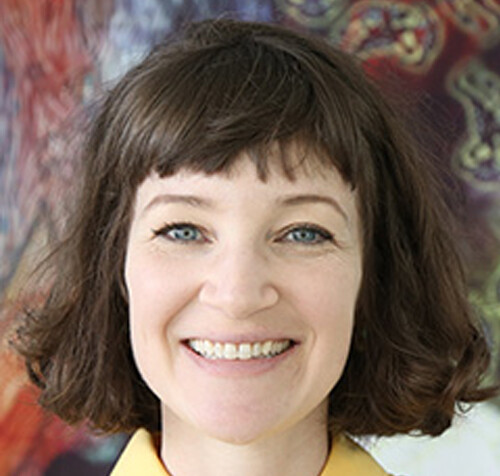
China Humanities Seminar featuring Rebecca Doran — Dress Regulation, Dynastic Image-Building, and Geopolitical Competition in Early Medieval China
Common Room, 2 Divinity Ave. 2 Divinity Ave., Cambridge, Massachusetts, United StatesSpeaker: Rebecca Doran, University of Miami The various regimes that emerged during third through sixth centuries grappled from different perspectives with the establishment of dynastic dress regulations, meant to promote hierarchical order at home and project legitimacy and strength abroad. This form of conveying authority was complicated by geopolitical developments, including regime changes and tensions