China and the World Program 20th Annual Conference | Panel 1: Measuring China’s “Influence” in International Affairs
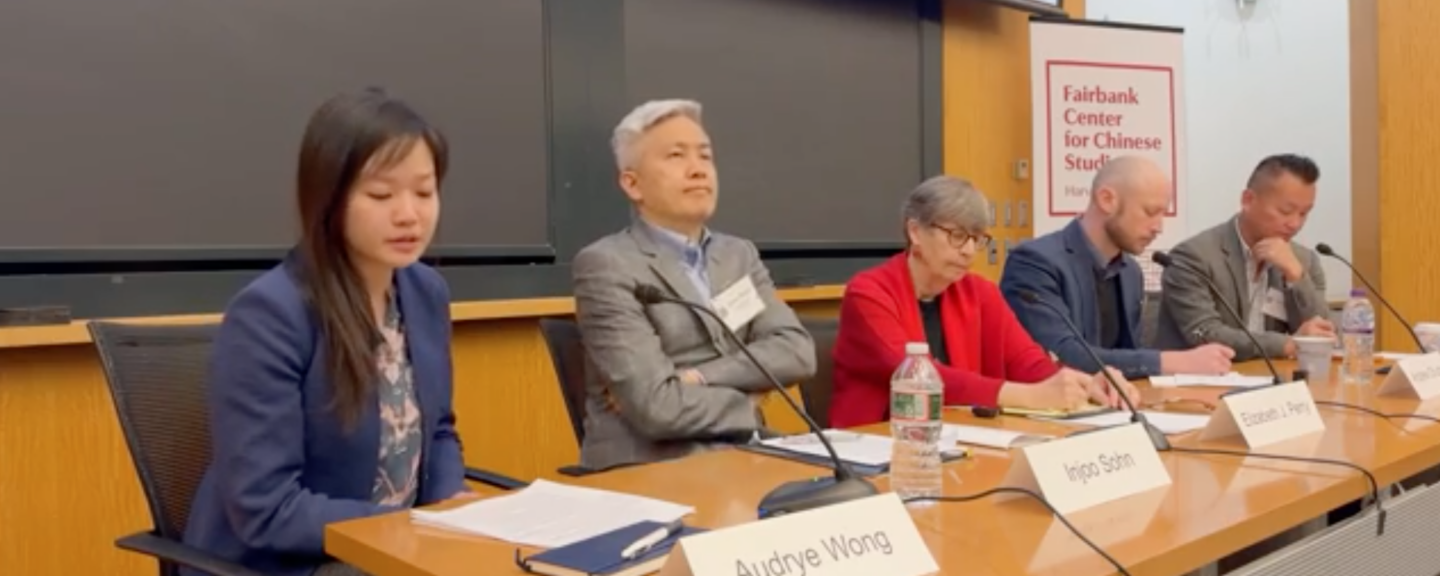
How can we tell when China is genuinely shaping outcomes abroad and when its influence is merely assumed? Audrye Wong (University of Southern California), Injoo Sohn (Seoul National University), Andrew Chubb (Lancaster University), and Enze Han (University of Hong Kong) discuss how to conceptualize and measure China’s international influence. Wong explains the logic behind China’s economic statecraft, noting that while Beijing actively uses trade and investment to shape strategic calculations, its influence is not a foregone conclusion and it often encounters pushback. Sohn assesses China’s influence in South Korea across domains like academia, media, and technology. Chubb focuses on influence within liberal democracies, emphasizing the need to distinguish between national security, human rights, and civil liberties issues with respect to Chinese influence. Lastly, Han discusses Chinese influence in Southeast Asia, highlighting the importance of distinguishing between the Chinese state and various non-state actors (e.g., private businesses, diaspora groups, and criminal networks).
Discussion moderated by Elizabeth J. Perry (Harvard University).
第一場:衡量中國在國際事務中的「影響力」
我們如何辨別中國究竟是真正左右了他國的決策走向,還是其所謂影響力不過是外界的一廂情願?南加州大學的黃韻琪(Audrye Wong)、首爾國立大學的孫仁柱(Injoo Sohn)、蘭卡斯特大學的朱波(Andrew Chubb),以及香港大學的韓恩澤(Enze Han),共同探討如何界定並衡量中國的國際影響力。黃韻琪闡釋中國經濟治國之道的內在邏輯,指出北京雖積極援引貿易與投資以牽動各方戰略考量,然其影響力並非必然奏效,往往亦會招致反制。孫仁柱就學術、媒體與科技等領域,評估中國對南韓的滲透與影響。朱波則聚焦於自由民主體制所受的衝擊,強調在審視中國影響力時,須審慎區分國家安全、人權保障與公民自由等不同面向。最後,韓恩澤探討中國在東南亞的影響力佈局,並強調辨明中國國家行為者與各類非國家行為者(如民營企業、海外僑民社群及犯罪網絡)之間差異的重要性。
本場次由哈佛大學政治學系 Henry Rosovsky 講席教授暨哈佛燕京學社社長裴宜理(Elizabeth J. Perry)主持。