The Critical Issues Confronting China (中國大問題) project began as a public seminar series, organized by the late Professor Ezra F. Vogel, Professor William Hsiao, and the late Dr. William Overholt. The series was inaugurated in September 2013. The series, which continues today, considers the complex issues that China is facing and looks at the range of choices that Chinese leaders might consider when responding to the challenges and opportunities they confront. The topics and perspectives are diverse and wide-ranging, including domestic issues such as urbanization, economic slowdown, management of dissent, environmental challenges, and relations with the rest of the world. The series is organized to promote informal exchanges among senior specialists and discussion with an engaged and committed audience.
「中國大問題」(Critical Issues Confronting China) 系列最初由哈佛大學教授傅高義 (Ezra F. Vogel,已故)、蕭慶倫教授 (William Hsiao),以及威廉·奧弗霍爾特博士 (William Overholt,已故)共同發起,是一系列面向公眾的學術講座。該講座系列於 2013 年 9 月正式創立並延續至今,旨在於探討中國所面臨的複雜問題,並深入分析中國領導層在應對機遇與挑戰時可選擇的政策路徑。該系列議題設置兼具多元視角與宏觀維度,涵蓋城市化進程、經濟增速放緩、異見聲音治理、環境治理以及中國與全球關係等國內外重要議題。該系列致力於促進資深專家之間的非正式交流,並與積極投入的聽眾展開深入討論。
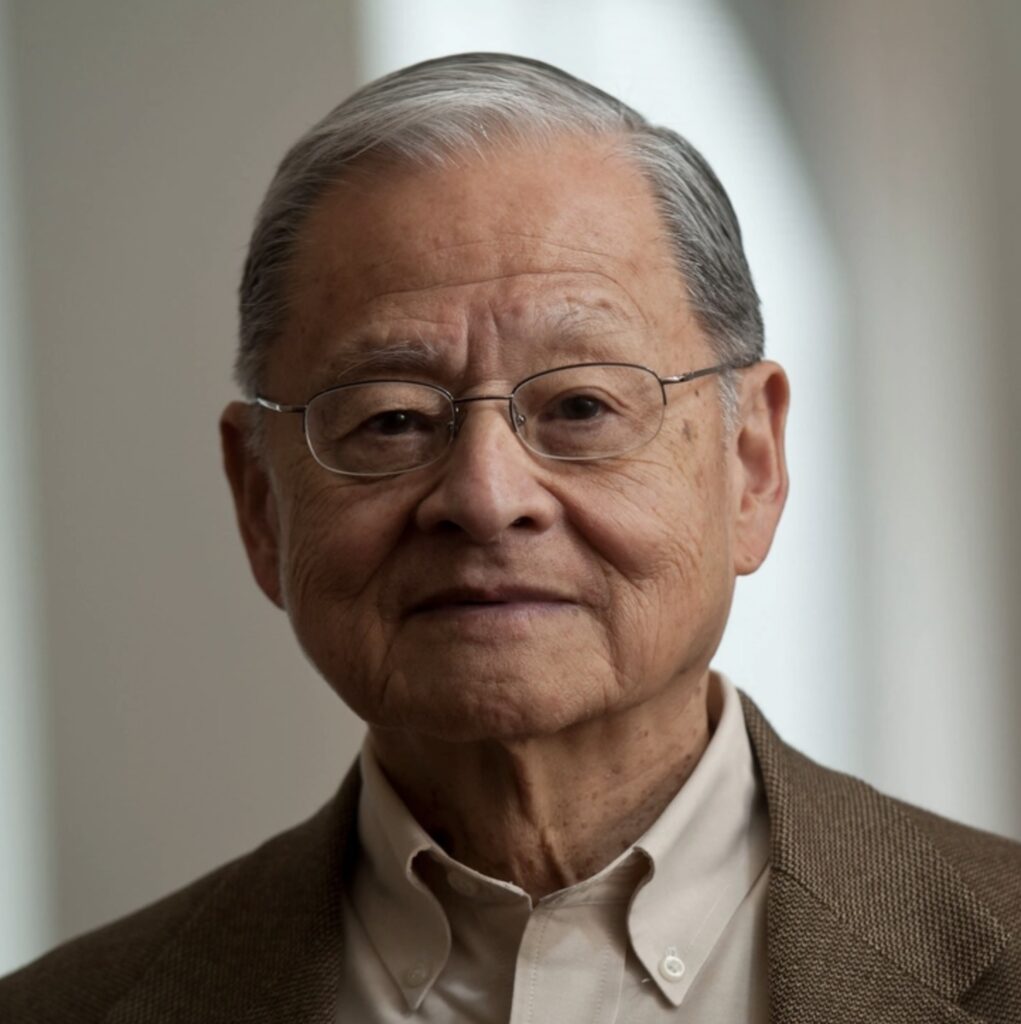
William Hsiao, K.T. Li Professor of Economics, Emeritus, Department of Health Policy and Management, Harvard TH Chan School of Public Health, is one of the three founders of the Critical Issues Confronting China lecture series. Professor Hsiao taught at the School of Public Health for four decades, working on public health issues in some of China’s poorest areas. Here, Professor Hsiao shares his views on the value of the Critical Issues Confronting China series—and how the United States may overestimate China as a threat.
蕭慶倫教授(William Hsiao)是「中國大問題」系列的三位創始人之一。他是哈佛大學陳曾熙公共衛生學院衛生政策與管理系的榮休李國鼎經濟學講座教授(K.T. Li Professor of Economics, Emeritus)。蕭教授在哈佛執教逾四十載,長期致力於中國最貧困地區的公共衛生研究。以下是他對該講座系列特有價值的闡述,以及就美國或許高估中國威脅這一命題的洞見。
When the late Professor Ezra Vogel, William Overholt, and you established the Critical Issues Confronting China series, what was the main purpose and goal?
The main goal was to highlight the developments of contemporary China in its economic, political, social, and military spheres. The idea of a CICC series was inspired by informal discussions that Ezra Vogel had with various people. My experience was limited to the discussions we had when I lamented with Ezra almost 15 years ago about the lack of presentations/discussions of contemporary China organized by the Fairbank Center. Ezra agreed and suggested that we do something about it. Ezra took the lead and invited me and Bill Overholt to join him. Overholt was interested because he wanted to have more current American business leaders to present the business affairs. I was invited because I was doing field research in the poor Chinese regions (particularly in the western region). Ezra was also intrigued by my cross-culture views (i.e., a Chinese who came to the United States as an immigrant at an adolescent age) in interpreting the current issues. Ezra consulted us, but he decided who to invite to speak. Ezra also raised the money to support the CICC series.
From the get-go, you recruited many of the leading thinkers in the China space to give talks in this series. What’s the magic?
That’s thanks to Ezra’s reputation and the vast network of contacts of academics and policymakers that he had. Another reason was, he invited the speakers early!
In your mind, what were some of the more memorable talks and speakers you have featured?
The most memorable speakers we had were retired top military commanders who turned to become semi-academics. They bring analysis and views that we do not get from published readings and public press. Another group was the academics who went to China and stayed at least a year to conduct applied research. They gave us nuanced, detailed understanding about the current situation on the ground. Another group was the top experts from China who were conceptual thinkers. Finally, the group of current thoughtful policy advisors to the U.S. or Chinese governments.
It seems like this series often explores topics that are not openly discussed inside mainland China. In your view, is this part of the value of this series?
Definitely, if we can get them to speak openly and honestly about their views.
China has changed enormously since the series was first introduced, from a modernizing economy facing many domestic challenges to a proud new power ready to flex its muscles on the international stage. Has the focus of the talks changed as China has changed?
Undoubtedly, China has become a new global power. However, in my view, China faces tremendous challenges in its domestic economic, social, and political spheres. Its potential to sustain its power and grow stronger and become a major threat to the United States is exaggerated. For example, China has an aging population, but its pension system is not funded. That financial obligation would drain future economic resources as well as create social unrest. Another example is that China may have more military destroyers and soldiers, but its military commands are not unified, and also are dominated by factions. The modern warfare (particularly if the PRC tries to take Taiwan) would require that China has a closely coordinated military command among Navy, Airforce, Space, Cyberspace, and Army. China does not have that.
當年您與傅高義教授、威廉·奧弗霍爾特博士共同創辦「中國大問題」系列講座時,其主要目的與目標是什麼?
蕭慶倫:
該講座系列的主要目標,是聚焦當代中國在經濟、政治、社會及軍事等領域的發展。這一「中國大問題」系列的構想,源於傅高義與多位人士的私下交流。我的參與始於約十五年前,當時我曾與傅高義感嘆,費正清中心缺乏關於當代中國的講座或討論。他對此深表贊同,並提議我們採取行動。隨後,傅高義牽頭邀請我與比爾·奧弗霍爾特一同加入。奧弗霍爾特之所以感興趣,是希望邀請更多美國當代商界領袖分享商業領域的見解;而我受到邀請,則是因為當時正在中國貧困地區(尤其是西部)開展田野調查。此外,傅高義也對我所具備的跨文化視角感興趣。我是一名在青少年時期移民至美國的華人,能夠從中美文化交會的角度詮釋當下議題。傅高義會徵詢我們的意見,但演講嘉賓的最終人選由他決定;同時,他也負責為該系列籌集所需資金。
在這個講座系列發起之初,您就邀請到了許多中國研究領域最具影響力的思想家參與演講。這背後的「秘訣」是什麼?
蕭慶倫:
這要歸功於傅高義的聲望,以及他廣泛的學術與政策人脈網絡。另一個原因是——他邀請得早!
您印象最深刻的演講或講者有哪些?
蕭慶倫:
最令人難忘的講者之一,是那些退役後轉為半學術身份的部隊高階指揮官。他們的分析與見解,是我們在公開出版物或媒體報導中難以接觸到的。另一類則是那些曾親赴中國,並停留至少一年以開展應用研究的學者。他們為我們提供了對當地現況細緻入微且富有層次感的理解。還有一類是來自中國的頂尖專家,他們往往具備極強的概念思辨能力。最後,則是目前為美中兩國政府提供諮詢、富有洞察力的政策顧問們。
這一系列講座似乎常常觸及在中國大陸難以公開討論的議題。在您看來,這是否正是其價值所在?
蕭慶倫:
確實如此——前提是,我們能夠邀請到講者坦誠且公開地表達他們的真實觀點。
自該講座系列創立以來,中國已從一個面臨國內挑戰的現代化經濟體,轉變為在國際舞臺上展現實力的「新興強國」。隨著中國的變化,講座的重點是否也有所調整?
蕭慶倫:
毫無疑問,中國如今已成為新的全球大國。然而,在我看來,中國在國內的經濟、社會與政治領域仍面臨嚴峻挑戰。外界對中國能長期維持實力、持續壯大,並最終成為美國主要威脅的看法,其實有所誇大。舉例來說,中國人口老化問題嚴重,但其養老金制度並無充足資金支持。這一龐大的財政負擔未來將消耗經濟資源,並可能引發社會動盪。再如,中國雖擁有更多驅逐艦與士兵,但其軍事指揮體系並不統一,且派系林立。現代戰爭要求海、空、太空、網絡與陸軍之間具備高度協同的指揮體系(特別若中國内地試圖攻台),而中國目前尚未具備這樣的能力。