
Modern China Lecture
Calendar of Events
|
Sunday
|
Monday
|
Tuesday
|
Wednesday
|
Thursday
|
Friday
|
Saturday
|
|---|---|---|---|---|---|---|
|
0 events,
|
0 events,
|
0 events,
|
0 events,
|
1 event,
-
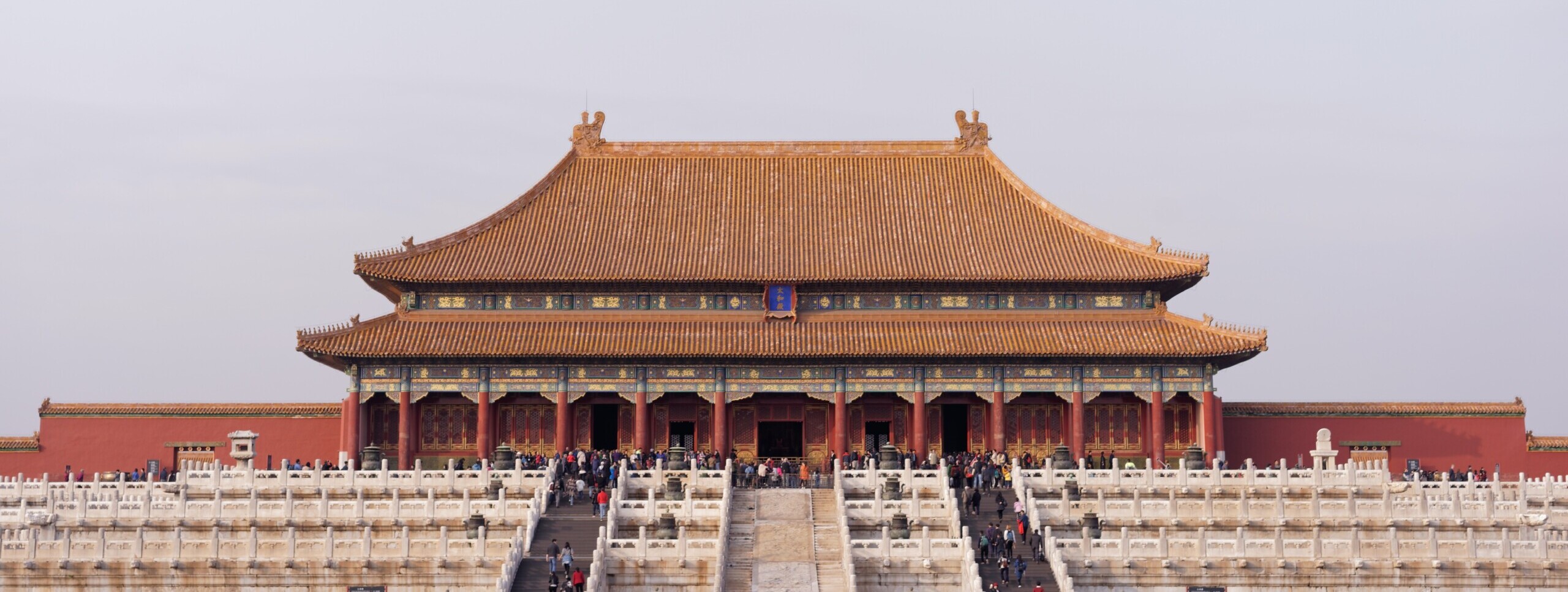
Speaker: Taisu Zhang, Professor of Law and History, Yale UniversityHow states develop the capacity to tax is a question of fundamental importance to political science, legal theory, economics, sociology, and history. Increasingly, scholars believe that China's relative economic decline in the 18th and 19th centuries was related to its weak fiscal institutions and limited revenue. |
0 events,
|
0 events,
|
|
0 events,
|
0 events,
|
0 events,
|
0 events,
|
0 events,
|
0 events,
|
0 events,
|
|
0 events,
|
0 events,
|
0 events,
|
0 events,
|
1 event,
-
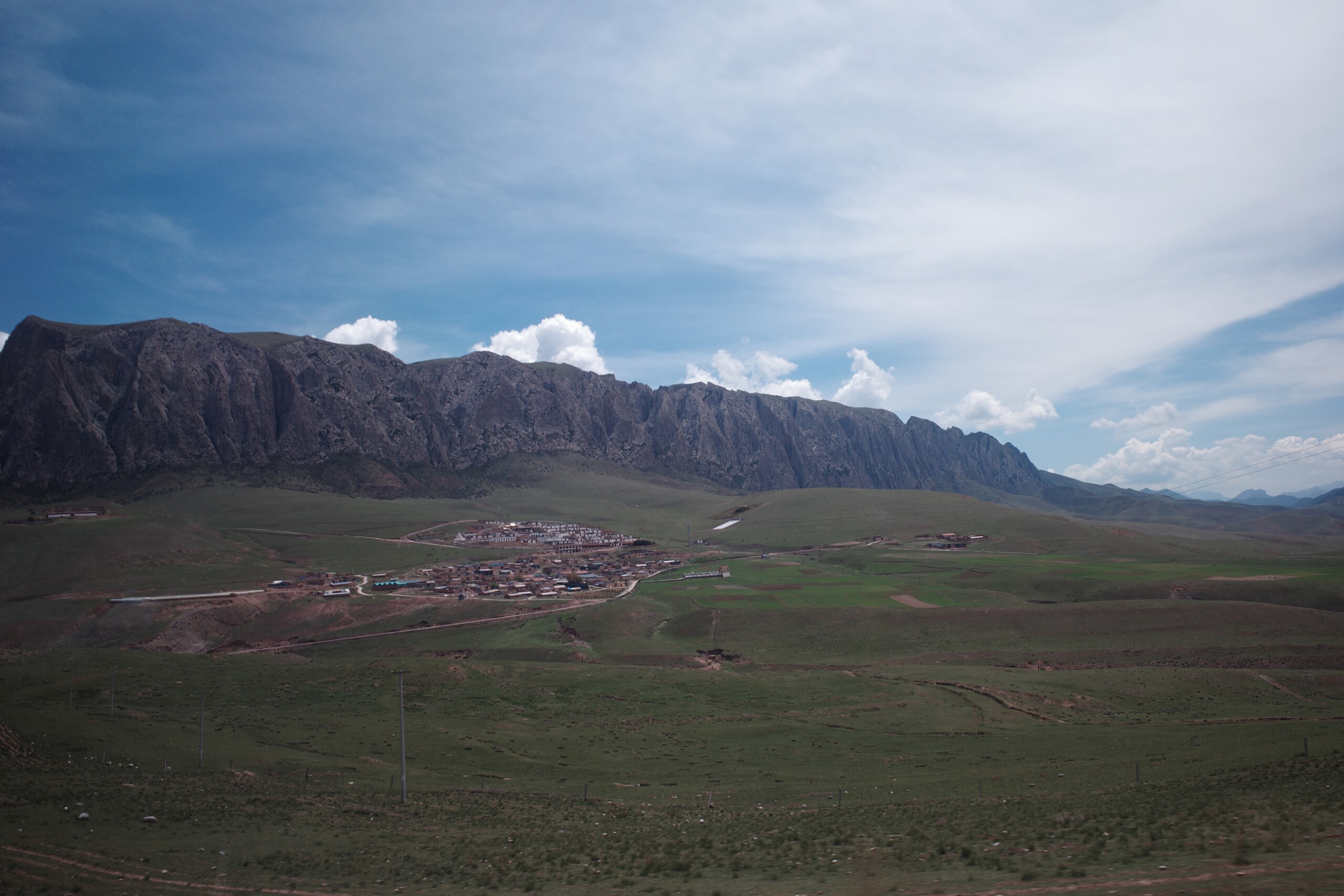
Speaker: Benno Weiner, Associate Professor, Carnegie Mellon UniversityThrough much of the 1950s, the Chinese Communist Party considered disunity between ethnocultural groups (minzu)primarilyto be a product of “great nationality chauvinism,” which refered to exploitation committed in the past by the Han majority against “minority nationalities.” In parts of China’s Northwest, however, the Party identified Hui Muslim |
0 events,
|
0 events,
|
|
0 events,
|
0 events,
|
0 events,
|
0 events,
|
0 events,
|
0 events,
|
0 events,
|
|
0 events,
|
0 events,
|
1 event,
-
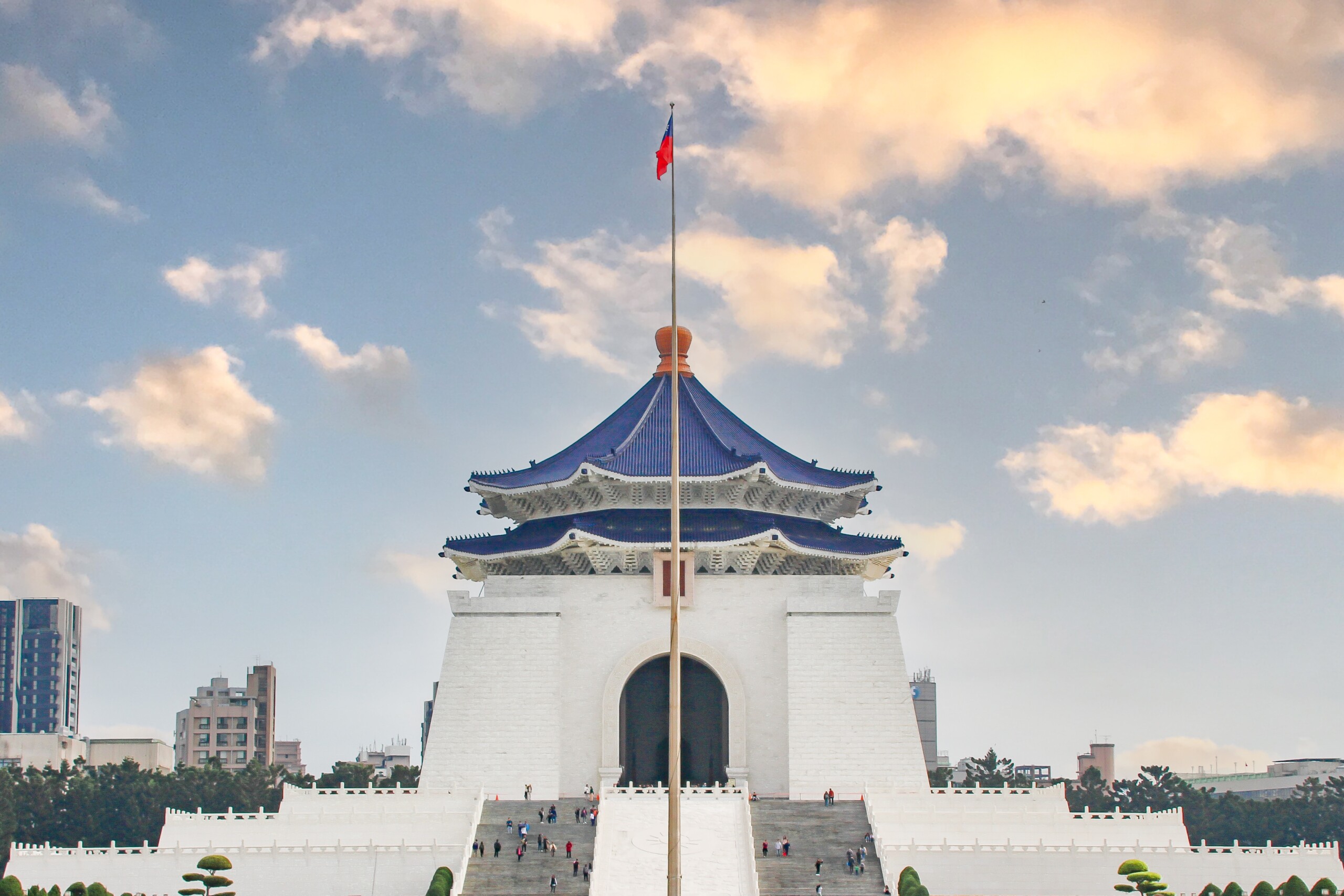
Speaker: Linh Vu, Assistant Professor, Arizona State University This talk focuses on (1) the politics of martyr commemoration in Republican China (1911–1949) and (2) the governance of the posthumous identities of the Nationalist Chinese dead in contemporary Taiwan. The Chinese Republic laid the foundation for the modern nation-state through the governance of these millions of war dead. |
0 events,
|
0 events,
|
0 events,
|
0 events,
|