
Urban China Series
Events
-
-

Urban China Series featuring Tang Beibei – The Making of “New Citizens:” Landless Farmers and Urban Governance in China
Presented via ZoomSpeaker: Tang Beibei, Xi'an Jiaotong-Liverpool University This talk examines landless farmers who have entered Chinese urban life as urban residents in an organized and managed way as cities expand and spread. It explores in what ways and to what extent the central government’s initiatives on the integration of landless farmers into the urban economy and
-
Urban China Series featuring Eli Friedman – The Urbanization of People: The Politics of Development, Labor Markets, and Schooling in the Chinese City
Presented via ZoomSpeaker: Eli Friedman, Cornell University Beginning in 2014 China’s central government began pushing for more people to move to cities, as they believe that increased urbanization will be necessary in advancing a new phase of economic development. But despite cities' heavy reliance on the labor of rural migrants, major institutional obstacles remain for those wishing
-
Urban China Series featuring Chen Jinsong
Presented via ZoomSpeaker: Chen Jinsong, Shenzhen Worldunion Group (世联行) This event series is made possible by the generous support of the MIT Sustainable Urbanization Lab, the School of Community and Regional Planning at the University of British Columbia, and the Harvard Fairbank Center for Chinese Studies. Venue
-
-
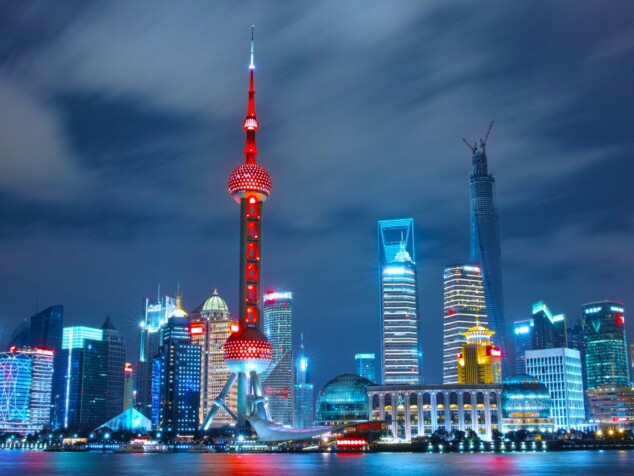
Urban China Series featuring Tao Ran – The China Model of Growth and Urbanization
Presented via ZoomSpeaker: Tao Ran, The Chinese University of Hong Kong (Shenzhen) This talk outlines a holistic analytical framework for China’s current growth and urbanization model, as well as its political and economic background and consequences. Tao Ran argues that China has developed an investment-driven and export-oriented growth and urbanization model since the mid-1990s. Under this model,
-
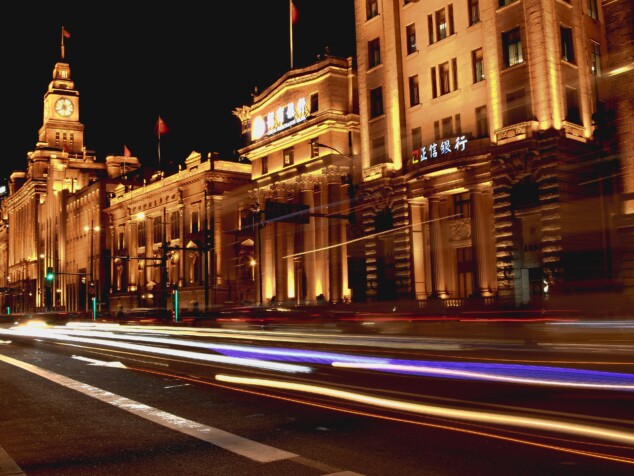
Urban China Series featuring Adam Liu: Small Banks, Big Politics: The Cause and Consequences of Bank Proliferation in China
Presented via ZoomSpeaker: Adam Liu, National University of Singapore The Henan bank protest, the Evergrande crisis, and the perennial local government debt issue in China all point to one thing: there’s something wrong with the country’s banking system and Beijing needs to fix it. In particular, it needs to better regulate the numerous small banks that are now so intimately
-
-

Urban China Series featuring Cai Meina – Legal Discrimination, Contention Pyramid, and Land Takings in China
Presented via ZoomSpeaker: Cai Meina, University of Connecticut How do land-dispossessed villagers protect their interests in a context where the legal framework discriminates against them? Contrary to the existing research that focuses on protests, this research identifies negotiations as a strategy of the dispossessed to engage with local governments and improve their compensation arrangement. Negotiations are more
-
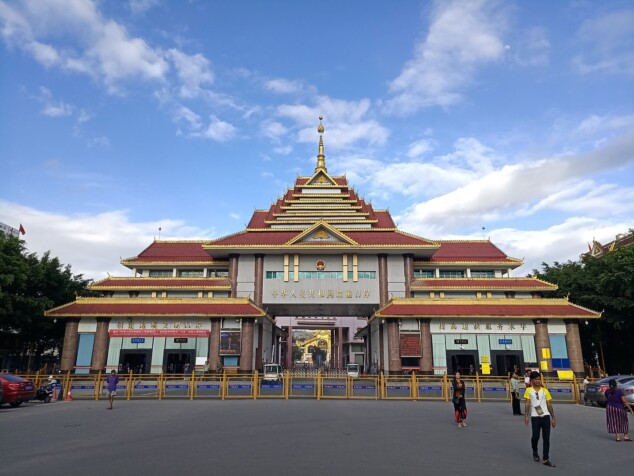
Urban China Series featuring Su Xiaobo: Urbanization and the Political Economy of Border Control in China
Presented via ZoomPhoto by 瑞丽江的河水 - Own work, CC BY-SA 4.0, https://commons.wikimedia.org/w/index.php?curid=70263825 (License: https://creativecommons.org/licenses/by-sa/4.0/) Speaker: Su Xiaobo, University of Oregon Border cities in hinterland China have been reshaped as hotbeds of investment ever since the implementation of the Belt and Road Initiative (BRI). They have become new economic centers to facilitate cross-border flows between China and neighboring
-
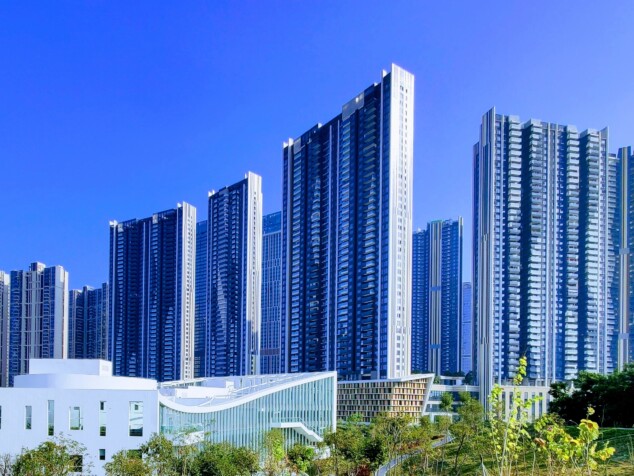
Urban China Series featuring Zhang Jipeng – Hukou Reform, Return Migration,and Implications for Urban Development in China
Presented via ZoomSpeaker: Zhang Jipeng, Shandong University In recent years, China has made remarkable progress in Hukou reform. Based on government policy documents and our fieldwork, we construct a quantitative measure of Hukou registration barriers in Chinese cities. First-tier and some second-tier cities set high criteria for local Hukou registration that have become more stringent over time,