Events
-
-
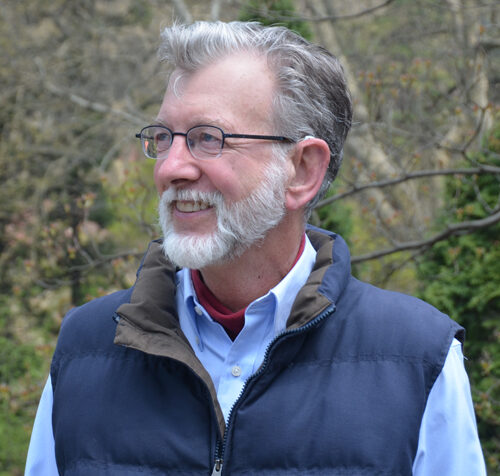
Joseph Esherick – Rethinking the Chinese Revolution
CGIS South Room S250 1730 Cambridge Street, Cambridge, Massachusetts, United StatesSpeaker: Joseph Esherick, Professor Emeritus of History, University of California, San Diego Moderator: Elizabeth Perry, Henry Rosovsky Professor of Government, Harvard University; Director, Harvard-Yenching Institute. Was the Chinese Revolution inevitable? In "Rethinking the Chinese Revolution," Esherick will discuss his evolving assessment of modern Chinese history from his early essay, "Harvard on China," through his "Ten
-
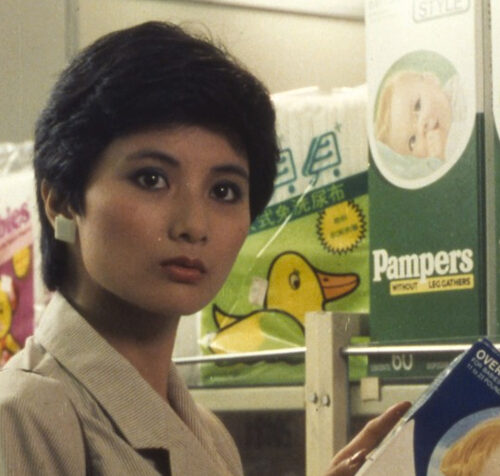
Film Screening: That Day, on the Beach (Hai tan de yi tian)
Harvard Film Archive, Carpenter Center 24 Quincy St, Cambridge, MA, United StatesA renowned young pianist, Tan Ching-Ching (Terry Hu) comes back to Taipei for the first time in thirteen years to give a performance. An old friend, Lin Jia-li (Sylvia Chang), gets in touch with her to reconvene over an afternoon coffee. That Day, on the Beach takes place over a conversation between the two female friends, during
-
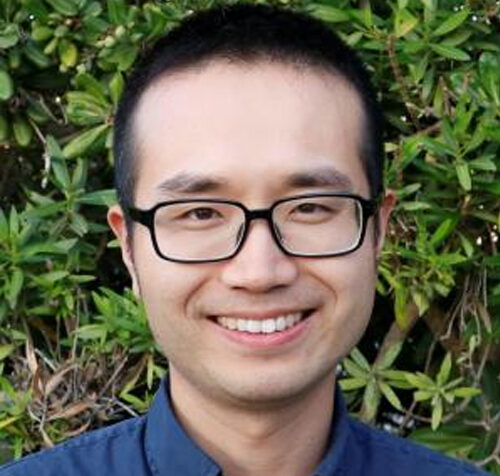
Urban China Lecture Series featuring Zhu Fangsheng – Families, Schools, and Cities
Presented via ZoomSpeaker: Zhu Fangsheng, Assistant Professor of Sociology, Duke Kunshan University This talk will trace the origins and consequences of how contemporary Chinese cities govern public school admissions. School districts became the central device in public school admissions in China, despite their absence of fiscal or administrative foundations. I argue that cities repurposed school districts to
-
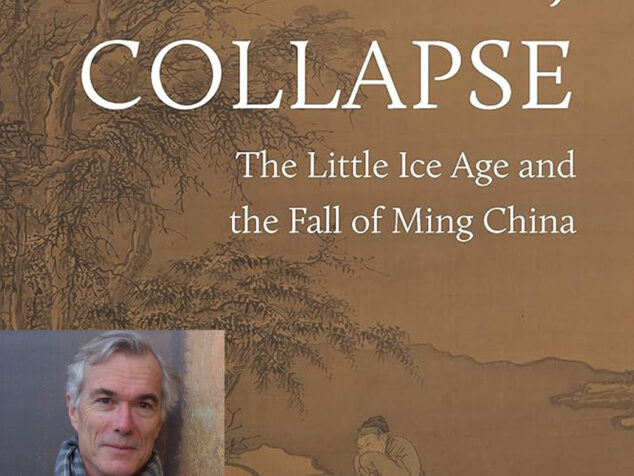
Environment in Asia Series featuring Timothy Brook – The Price of Collapse: The Little Ice Age and the Fall of Ming China
CGIS Knafel K262 1737 Cambridge Street, Cambridge, MA, United StatesSpeakers:Timothy Brook, The University of British Columbia, Professor EmeritusClark Alejandrino, Trinity CollegeYan Gao, University of MemphisIan M. Miller, St John’s University Series Convener:Ling Zhang, Boston College In 1644, after close to three centuries of relative stability and prosperity, the Ming dynasty collapsed. Many historians attribute its demise to the Manchu invasion of China, but the
-
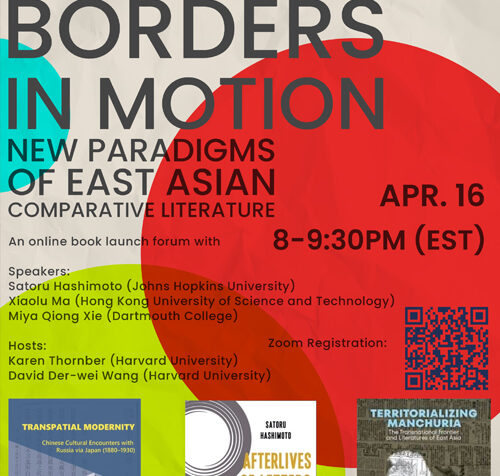
Borders in Motion: New Paradigms of East Asian Comparative Literature – an online book launch forum
Presented via ZoomSpeakers:Satoru Hashimoto, Johns Hopkins UniversityXiaolu Ma, Hong Kong University of Science and TechnologyMiya Qiong Xie, Dartmouth College Hosts:Karen Thornber, Harvard UniversityDavid Der-wei Wang, Harvard University Venue
-
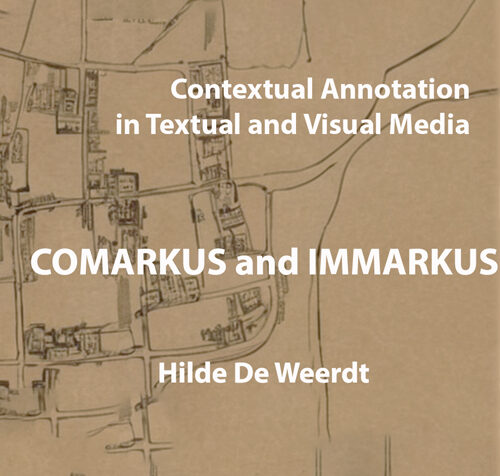
Contextual Annotation in Textual and Visual Media: COMARKUS and IMMARKUS
CGIS South, Room S153 1730 Cambridge St., Cambridge, Massachusetts, United StatesSpeaker: Hilde De Weerdt, Professor of Chinese and Early Modern Global History, KU Leuven Hilde De Weerdt joined the Early Modern History Research Group, KU Leuven in March 2022 as Professor of Chinese and Early Modern Global History. Professor De Weerdt is broadly interested in intellectual, social, and political history, both within an East Asian context, and
-
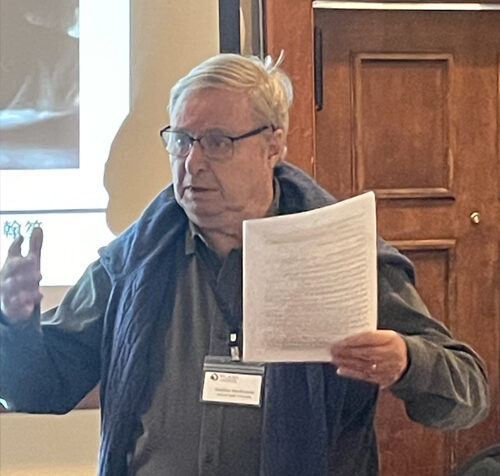
Special Presentation featuring Stephen MacKinnon – History as Biography: Chen Hansheng 陈翰笙 (1897-2004)
CGIS Knafel K262 1737 Cambridge Street, Cambridge, MA, United StatesSpeaker: Stephen MacKinnon, Emeritus Professor of History; Former Director of Center for Asian Studies, Arizona State UniversitySteven MacKinnon, author of Chen Hansheng: China’s Last Romantic Revolutionary, will discuss the remarkable life of one of most important economic researchers on the Chinese rural economy over a career that spanned the 1930s to his death at 107
-
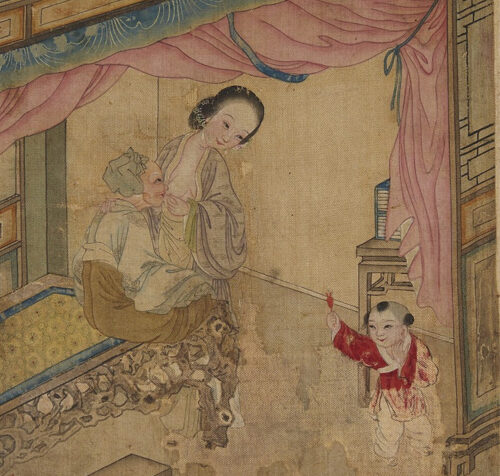
2024 Gender Studies Workshop – The Chinese Family Romance
CGIS South S020, Belfer Case Study Room 1730 Cambridge St., Cambridge, MA, United States9:10 AM: Introductory remarks 9:15 AM: Literature Panel Tina Lu, Yale University - "The Family Romance, Chuanqi, and What Can't Be Said" Maria Sibau, Emory University - "Inventing Mothers in Late Imperial Literature" Discussants:Thomas Kelly, Harvard UniversityWai-yee Li, Harvard University 11:00 AM: Break 11:15 AM: Presentations on the Chinese Family Romance by students of Eileen
-
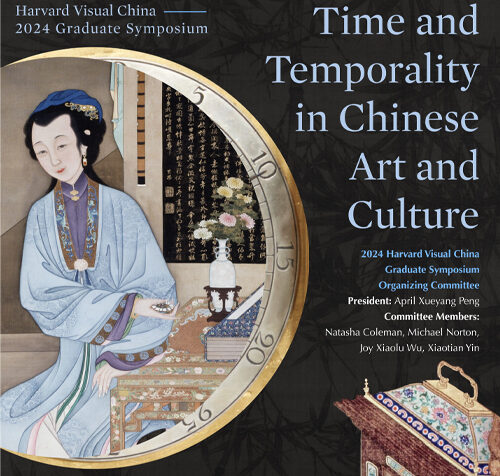
2024 Harvard Visual China Graduate Symposium – Time and Temporality in Chinese Art & Culture
Sackler Building Auditorium 485 Broadway, Cambridge, MA, United StatesHow do humans and objects exist in relation to time and experience time? We often turn to space and spatial models as the dominant approach to analyzing visual materials, yet time could also serve as a way of organizing visual and perceptual experiences. In the case of Chinese art, time and temporality had particular salience
-
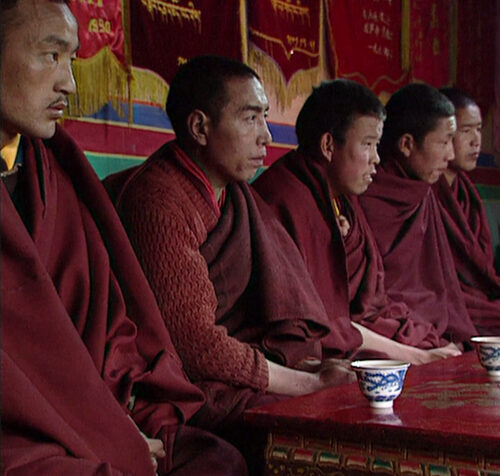
Big Waves, Great Earthquakes Screening No. 2 – Skirting Censorship in Tibet: No. 16. Barkhor South Street, featuring an introduction by Janet Gyatso and remarks from Lobsang Sangay
CGIS South, Tsai Auditorium (S010) 1730 Cambridge St, Cambridge, MA, United StatesIntroduction: Janet Gyatso, Hershey Professor of Buddhist Studies, Associate Dean for Academic Affairs, Harvard Divinity SchoolProgrammer: Sam Maclean, Communications Manager, Fairbank Center for Chinese Studies Update: Post-screening discussion with Lobsang Sangay, former Sikyong (President) of the Central Tibetan Administration, Senior Visiting Fellow, East Asian Legal Studies, Harvard Law School. Big Waves, Great Earthquakes explores the largely unseen
-
China Humanities Seminar featuring Franciscus Verellen – The General and His Scribe: The Fall of the Tang in Contemporary Sources
Common Room, 2 Divinity Ave. 2 Divinity Ave., Cambridge, Massachusetts, United StatesSpeaker: Franciscus Verellen, Professor Emeritus, École française d’Extrême-Orient (EFEO); Vice President, Académie des Inscriptions et Belles-Lettres, Institut de France The understudied end phase of the Tang dynasty (618–907) is mainly known through official accounts dating to the tenth and eleventh centuries. This lecture examines the process that led to the empire’s breakup from the vantage
-
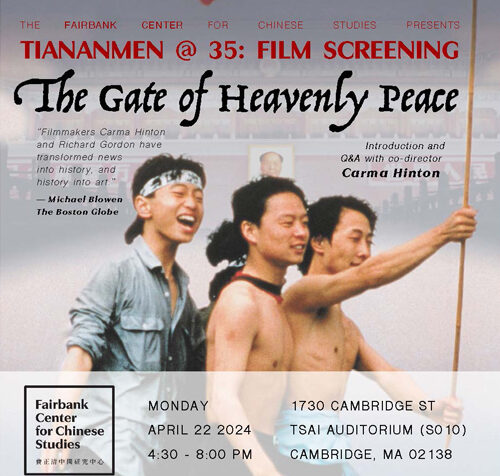
Tiananmen @ 35 Film Screening: The Gate of Heavenly Peace
CGIS South, Tsai Auditorium (S010) 1730 Cambridge St, Cambridge, MA, United StatesIntroduction: Carma Hinton, Art historian and Documentary Filmmaker; Robinson Professor of Visual Culture and Chinese Studies, George Mason University (retired) "In The Gate of Heavenly Peace (the literal translation of the name Tiananmen), the causes, effects and fallout from the six-week protest that led up to the Chinese government's crackdown on dissidents are detailed with intelligence,