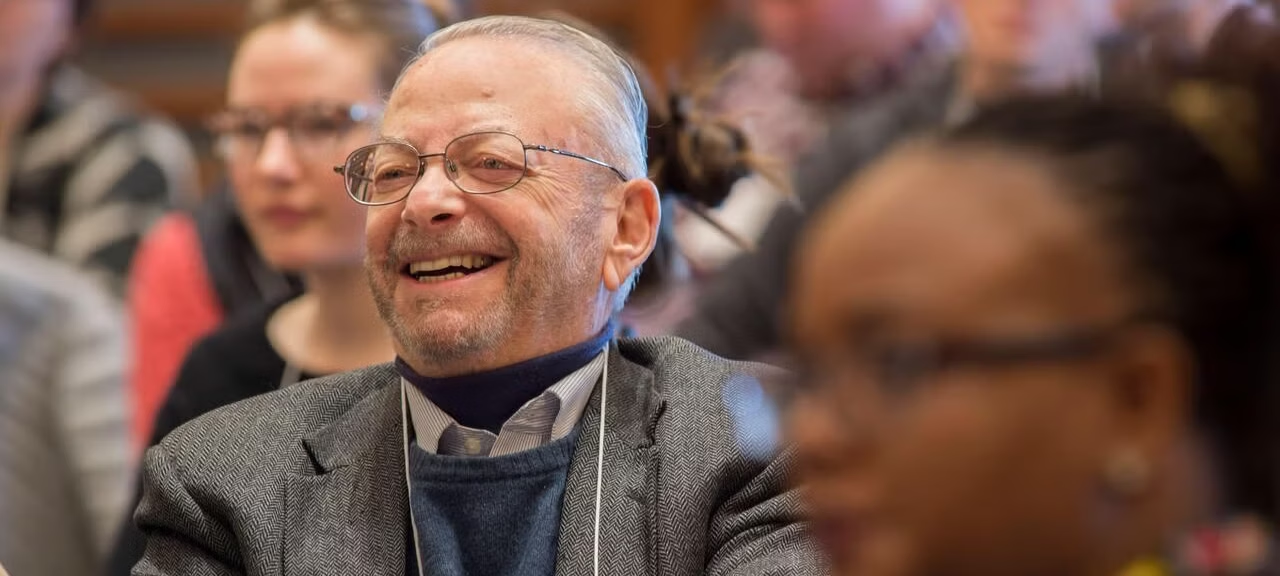

Barry R. Bloom, a pioneering immunologist, global public health leader, and former dean of the Harvard T.H. Chan School of Public Health, passed away on March 18, 2026, after a long battle with cancer. He was 88 years old.
For decades, Professor Bloom played an important role in strengthening Harvard’s engagement with China and in fostering cooperation between Chinese and American institutions in public health. Beginning in the 2000s, he helped shape Harvard’s China initiatives through service on university committees and by championing collaborations with Chinese universities, government agencies, and health institutions. He supported research partnerships, faculty exchanges, executive training programs, and policy dialogues at a time when China was emerging as a central actor in global health. He viewed Harvard’s work in China as inseparable from its broader global health mission and encouraged sustained engagement with Chinese scholars, scientists, and policymakers. His commitment to these efforts reflected both his conviction that public health challenges transcend national boundaries and his longstanding personal connection to China through his wife, Irene Bloom, the distinguished scholar of Chinese philosophy.
Professor Bloom served as the Joan L. and Julius H. Jacobson Professor of Public Health and as dean of the Harvard School of Public Health from 1999 to 2010. One of the world’s leading experts on infectious diseases, his research transformed scientific understanding of immunity and helped advance efforts to combat tuberculosis, leprosy, malaria, and other major global health challenges. His laboratory made foundational contributions to immunology, including early discoveries concerning the role of lymphocytes and cytokines in immune responses, while his later work helped define protective immune mechanisms against tuberculosis and contributed to the development of new vaccine candidates.
Beyond his scientific achievements, Professor Bloom was a leading advocate for international cooperation in public health. For more than four decades, he advised the World Health Organization and served on numerous scientific advisory bodies in the United States and abroad. He was elected to the National Academy of Sciences, the National Academy of Medicine, the American Academy of Arts and Sciences, and the American Philosophical Society, and received many of the highest honors in biomedical research.
To his colleagues across Harvard, Professor Bloom is remembered not only for his scientific accomplishments and institutional leadership, but also for his intellectual rigor, generosity, deep curiosity about the world, and the enduring impact that he had on generations of scholars, policymakers, and public health professionals.
Below, some of our faculty members and other Harvard colleagues share their own memories of Barry and their work with him at Harvard over the years.

I have conducted collaborative research in China on occupational and environmental health since 1981. When Barry arrived at the School in 1999, he was eager to expand the School’s collaborations with China across all areas of public health and saw our work there as inseparable from our global health mission. He was tremendously supportive of my work in China, and we traveled together several times during and after his tenure as dean. He also asked me to serve as interim head of the Initiative while we recruited Winnie Yip. I will miss his enthusiasm for this work very much and hope we can continue it.
Introduced by his wife, Irene—a distinguished scholar of Chinese philosophy and former chair of the Department of Asian and Middle Eastern Cultures at Barnard College—Barry fell in love with Chinese culture, people, and cuisine while still a young man. Friends delighted in the lavish Chinese meals he cooked on the large commercial gas stove he proudly installed in his home kitchen.
Bloom believed deeply that public health must be global, and he saw China as central to the future of global health because of its vast population, rapid economic transformation, and growing scientific strength. Beginning in the 2000s, he played a significant role in shaping Harvard’s engagement with China through service on several university steering committees on China studies.
He championed collaborations with Chinese universities, government agencies, and health institutions, expanding research partnerships, executive training, faculty exchanges, and public health education across fields ranging from health policy and environmental health to nutrition and biostatistics. Bloom also helped establish the first U.S.–China Health Summit, creating dialogues between leading Chinese and American policymakers. He encouraged the Harvard/World Bank Flagship Course to train younger Chinese health officials and academics, and he worked to introduce health policy and research into the thinking of China’s senior leaders through a proposed program with the Central Party School. These efforts laid the foundation for many of Harvard’s long-standing health collaborations with China.
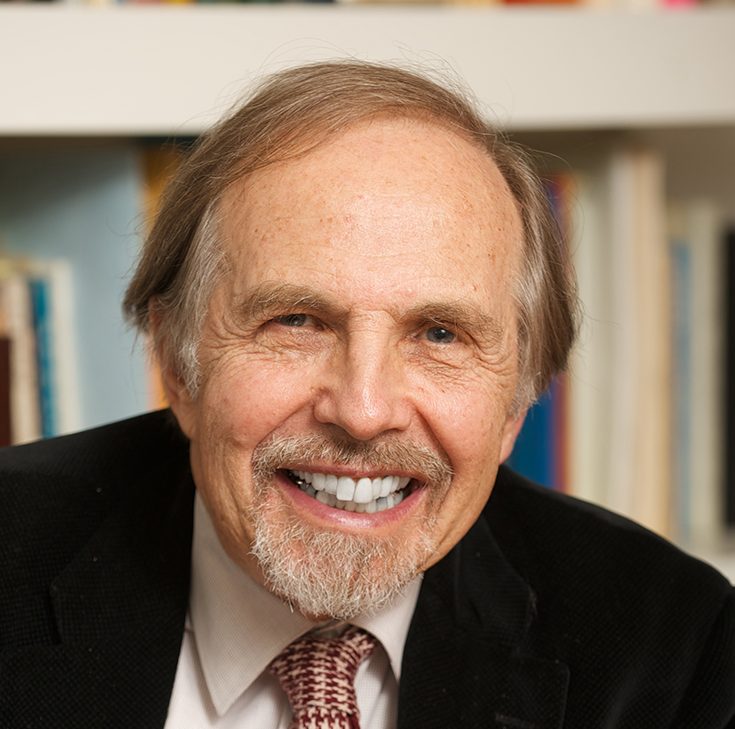
Barry Bloom was unusual in that he was both a distinguished basic scientist in virology and immunology and deeply engaged with global health at the policy level. Owing in part to his late wife’s expertise in China studies and her influence on him, Barry also became an accomplished student of health and medicine in China.
His long association with the World Health Organization, his expertise in biomedical science, and his global health orientation meant that he viewed public health issues in China in a broad and encompassing way that was both insightful and evidence-based. I valued speaking with him about health institutions and health policies in China, but especially about China’s extraordinary development as a scientific powerhouse. On that subject, he brought a lifetime of experience and deep reading in Chinese history to understanding the sources of that remarkable transformation.
Barry was assiduous in attending Fairbank Center events when his health permitted and was a true citizen of our University. He will be greatly missed.
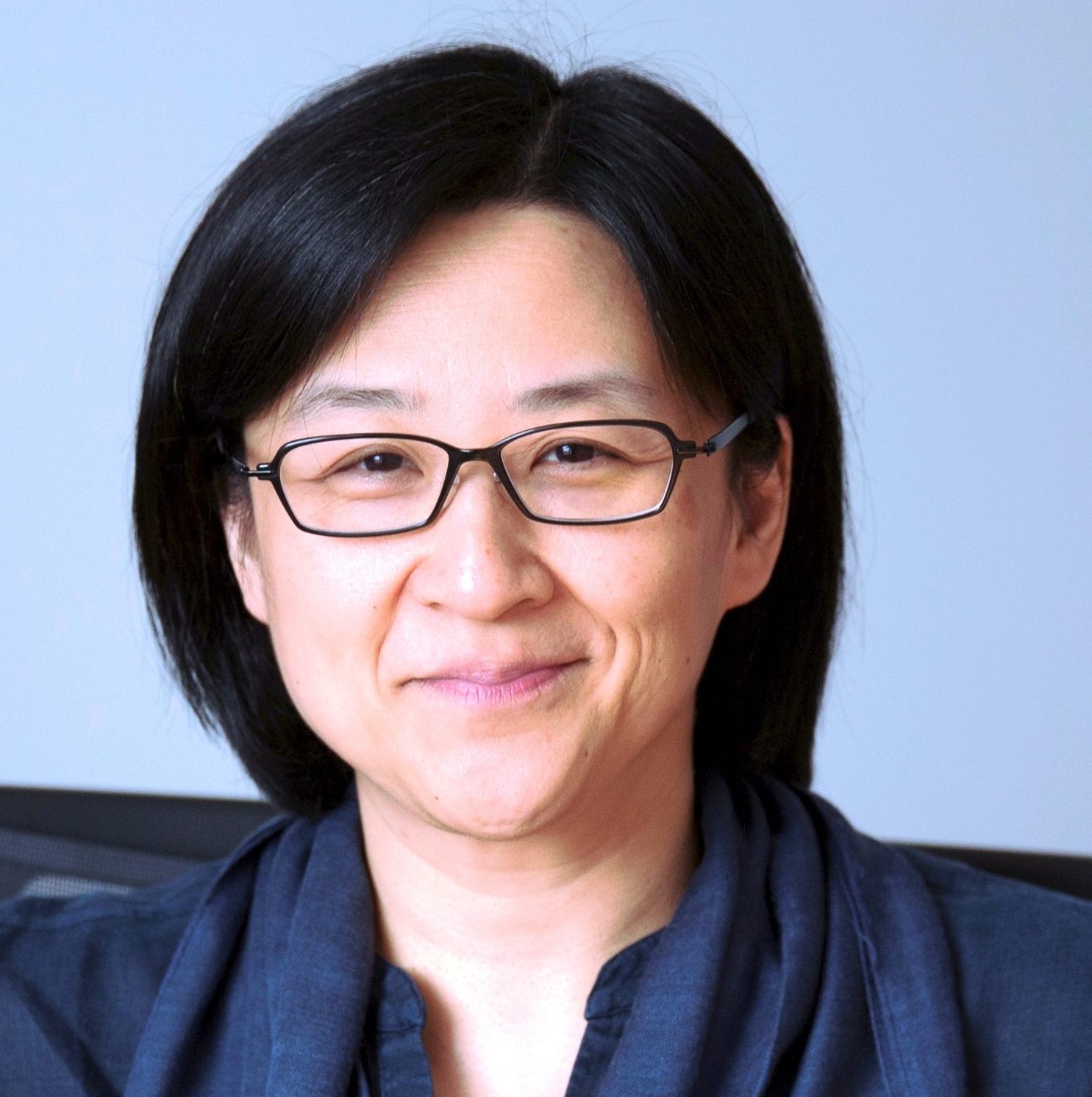
I first met Barry when he arrived at the School of Public Health as Dean. What struck me immediately were his clear, penetrating eyes, as if they could see through anyone and anything. Over time, as I had the privilege of working with him, I came to understand what lay behind that gaze. Barry was a person who relentlessly sought the truth and valued the truth. He had little patience for empty rhetoric, self-promotion, or intellectual shortcuts. Whenever he realized that his initial assessment was inaccurate, he readily changed his mind in light of new evidence. This commitment to truth shaped not only his science, but also the way he engaged with people. One always knew where one stood with Barry.
Barry had a deep interest in China, both personally and professionally. His wife, Irene Bloom, was a distinguished scholar of Chinese philosophy, and together they shared a profound appreciation for Chinese culture and intellectual traditions. Professionally, Barry devoted considerable energy to supporting Chinese institutions and scholars in public health. He often spoke with admiration about George Hatem (马海德), whose life embodied a commitment to serving the Chinese people. Barry saw in China both tremendous challenges and extraordinary possibilities, and he invested himself in helping Chinese scientists and public health leaders realize their potential.
One of Barry’s remarkable gifts was his ability to recognize talent and open doors for others. At a time when Chinese biomedical research received relatively little international attention, he helped build bridges between Chinese scientists and the global scientific community. He believed that scientific excellence should be judged on its merits, regardless of where it originated. Among the many scientists whose work gained greater international recognition through these efforts was Tu Youyou (屠呦呦), whose discovery of artemisinin transformed the treatment of malaria and was later recognized with the Nobel Prize.
In the later years of his life, many of our conversations revolved around China—its public health science, academic culture, social transformations, and, not least, its food. Barry was also an accomplished cook. He once explained to me that the best way to prepare Peking duck was to use a pipette to blow air beneath the skin. He loved scallion-and-ginger lobster, insisted that he could make 螞蟻上樹 better than any restaurant, and had an enthusiasm for chili peppers that rivaled that of native Sichuanese.
Most of all, I learned from Barry what it means to die with dignity. During the last months of his life, he faced mortality with extraordinary grace, peace, and courage. There was no self-pity, no denial, no loss of intellectual clarity. Instead, he remained fully himself—intellectually curious, continuing to want to contribute and deeply human.
I will miss Barry very much—as a colleague, a mentor, and a friend.