

Following a recent talk co-presented by the Fairbank Center for Chinese Studies and the Chiang Ching-kuo Foundation, we asked two of its featured speakers—Yun Fu, Professor at the Harvard Graduate […]
Following a recent talk co-presented by the Fairbank Center for Chinese Studies and the Chiang Ching-kuo Foundation, we asked two of its featured speakers—Yun Fu, Professor at the Harvard Graduate […]

Speaker: Matthias L. Richter, Associate Professor of Chinese, University of Colorado at Boulder Audiences in early China were probably more aware of technicalities in texts than we are today, since
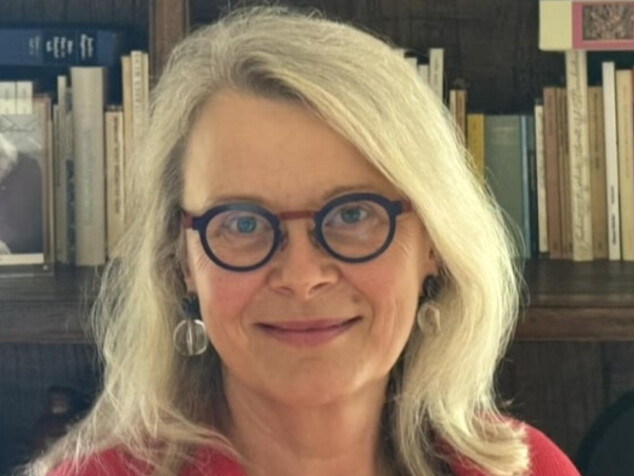
Speaker: Antje Richter, Associate Professor of Chinese, University of Colorado, Boulder Moderator: Xiaofei Tian, Ford Foundation Professor of East Asian Studies, Harvard University Registration appreciated for planning purposes. Health and the Art of
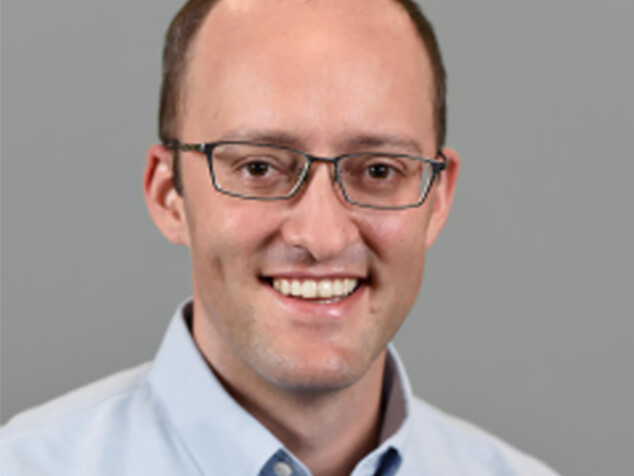
Speaker: Nicholas Morrow Williams, Professor of Chinese, Arizona State University Moderator: Michael Puett, Victor and William Fung Foundation Director, Harvard University Asia Center; Walter C. Klein Professor of Chinese History and Anthropology; Harvard
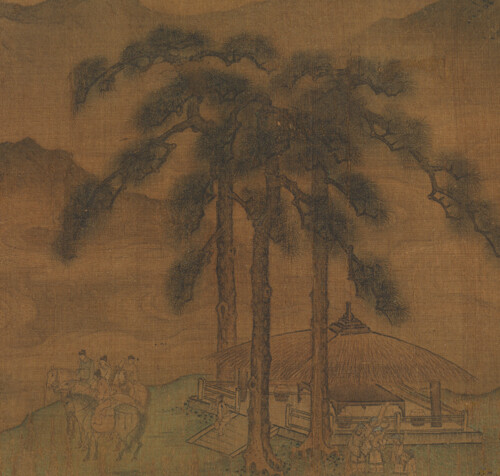
Speaker: Lili Xia, Assistant Professor, Department of Asian and Middle Eastern Cultures, Barnard College. The geocultural significance of the “North” was crucial to the competing claims to China between the
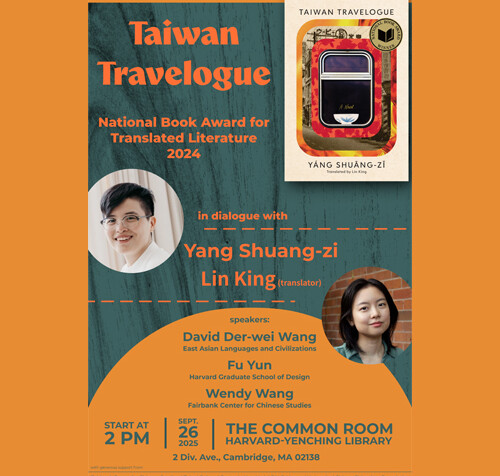
Speakers:David Der-Wei Wang, Edward C. Henderson Professor of Chinese Literature, Harvard UniversityFu Yun, Harvard Graduate School of DesignWendy Wang, Fairbank Center for Chinese Studies, Harvard University Venue
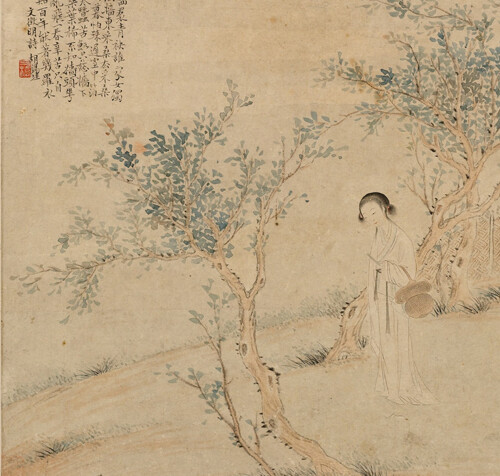
Speaker: Zhuming Yao, Assistant Professor of Chinese & Comparative Literature at Boston University Many poems in the Shijing 詩經 feature a lyric “I,” a first-person voice speaking about intense emotions.
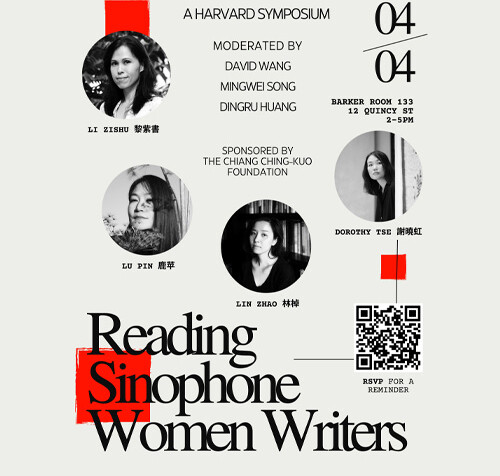
Speakers: Li Zishu 黎紫書Lu Pin 鹿苹Lin Zhao 林棹Dorothy Tse 謝曉虹 Moderators:David Der-wei Wang, Harvard UniversityMingwei Song, Wellesley CollegeDingru Huang, Tufts University Venue

Speaker: Robert Campany, Gertrude Conaway Vanderbilt Chair in Humanities; Professor of Asian Studies, Vanderbilt University Liexian zhuan, plausibly attributed to the late Western Han scholiast and court official Liu Xiang
Speaker: Tamara Chin, Associate Professor of Comparative Literature, Brown University The study of ancient language contact traditionally lacked prestige in both Confucian classical studies and European philology. This changed somewhat in