Events
-
-

2025 Charles Neuhauser Memorial Lecture featuring Ambassador R. Nicholas Burns — Lessons from the Front Lines of the U.S.-China Relationship
Hall C, Science Center 1 Oxford St., Cambridge, Massachusetts, United StatesSpeaker: R. Nicholas Burns, U.S. Ambassador to China, 2021-2025; Roy and Barbara Goodman Family Professor of the Practice of Diplomacy and International Relations, Harvard Kennedy School Ambassador Nicholas Burns is the Roy and Barbara Goodman Family Professor of the Practice of Diplomacy and International Relations at Harvard University’s Kennedy School of Government. He is the
-
-

Sigrid Schmalzer — The Connected Worlds of Dazhai and the Whole Earth Catalog: Capitalism, Colonialism, and Alternative Technology Movements
CGIS South, Room S153 1730 Cambridge St., Cambridge, Massachusetts, United StatesSpeaker: Sigrid Schmalzer, University of Massachusetts Amherst Sigrid Schmalzer is Professor of History at the University of Massachusetts Amherst. Her research focuses on social, cultural, and political aspects of the history of science in modern China and also includes the history of science activism transnationally. She is the author of The People’s Peking Man: Popular Science
-
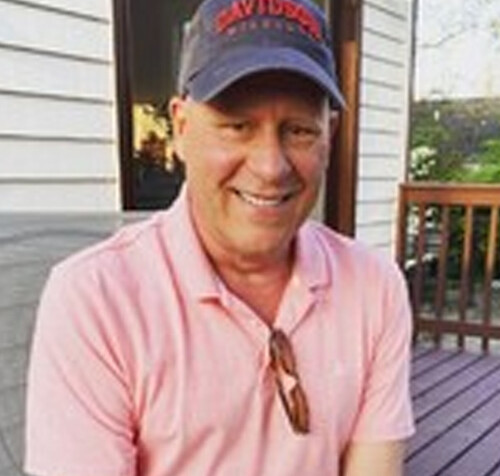
China Humanities Seminar featuring Robert Campany — Traditions of Exemplary Transcendents (Liexian zhuan 列仙傳): A Reading
Common Room, 2 Divinity Ave. 2 Divinity Ave., Cambridge, Massachusetts, United StatesSpeaker: Robert Campany, Gertrude Conaway Vanderbilt Chair in Humanities; Professor of Asian Studies, Vanderbilt University Liexian zhuan, plausibly attributed to the late Western Han scholiast and court official Liu Xiang 劉向 (79-8 BCE), is the earliest extant collection of anecdotes about individuals deemed to have transcended the limits of the human condition to become beings
-
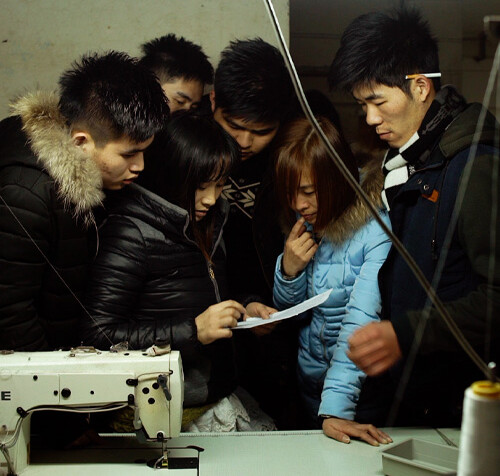
Film Screening: Wang Bing’s Youth Trilogy – Youth (Spring) Qingchun
Harvard Film Archive, Carpenter Center 24 Quincy St, Cambridge, MA, United StatesMore than two decades after making his monumental West of the Tracks (2002), documentary auteur Wang Bing (b. 1967) has released a new cinematic fresco of Chinese workers. Whereas his debut work memorializes the declining Socialist industrial complex in Northeast China and its aging employees, the Youth trilogy chronicles the plights of young migrant workers
-

2025 Graduating Student Presentations
CGIS Knafel K262 1737 Cambridge Street, Cambridge, MA, United StatesFrom exploring 8th Century art to examining contemporary geopolitics, Harvard’s Class of 2025 is full of individuals engaged in path-breaking research in Chinese Studies. We’ve selected a few outstanding projects to provide you a glimpse of the bold ideas being put forward by our graduating students. Come hear lightning talks from the following students: Joyce Chen -
-
-
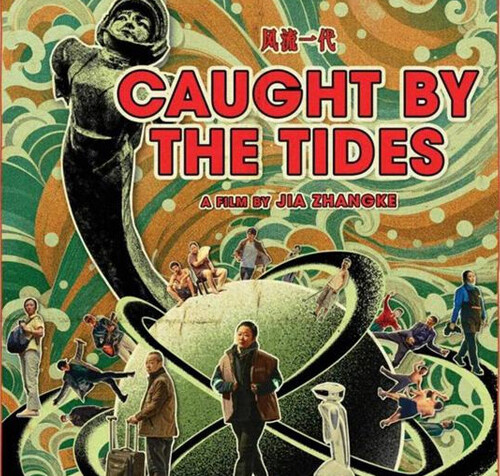
Film Screening and Discussion: Caught by the Tides
Directed by Zhangke JiaStarring Tao Zhao, Zhubin LiCaught by the Tides (风流一代) is an ambitious, genre-blending film from acclaimed Chinese director Jia Zhangke. Spanning over two decades, the film interlaces newly shot scenes with archival footage, fragments from Jia’s earlier films, and documentary-style material to create a haunting portrait of love, memory, and transformation in modern China.The
-
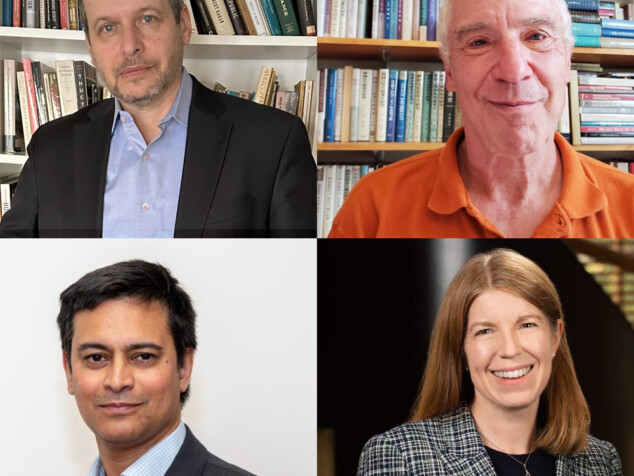
The Enduring Legacies of World War II in East Asia: Reflections 80 Years Later
CGIS South S020, Belfer Case Study Room 1730 Cambridge St., Cambridge, MA, United StatesSpeakers: Thomas Berger, Professor of International Relations, Pardee School of Global Studies, Boston UniversityMark Caprio, Professor Emeritus, Rikkyo University, Tokyo; Kim Koo Visiting Professor of Korean Studies, Department of East Asian Languages and Civilizations, Harvard UniversityRana Mitter, ST Lee Chair in US-Asia Relations, Harvard Kennedy School Moderator: Christina Davis, Edwin O. Reischauer Professor of Japanese
-
How Should We Study China? A Discussion with Fairbank Center Faculty
CGIS South, Tsai Auditorium (S010) 1730 Cambridge St, Cambridge, MA, United StatesAs the Fairbank Center celebrates its 70th Anniversary, a select panel of Fairbank Center Faculty will discuss how we've studied China in the past, and how we should move forward into the future. Join us for this insightful discussion.More information about our panelists coming soon! Venue
-
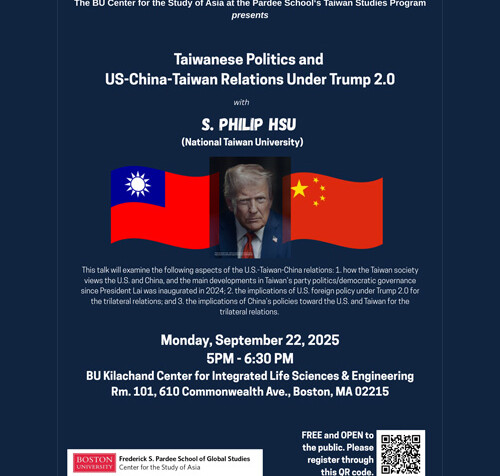
Taiwanese Politics and US-China-Taiwan Relations Under Trump 2.0
Room 101, Boston University Kilachand Center For Life Sciences and Engineering 610 Commonwealth Ave,, Boston, Massachusetts, United StatesSpeaker: S. Philip Tsu, National Taiwan UniversityThis talk will examine this following aspects of the US-Taiwan-China relations: 1. How Taiwan society views the US and China, and the main developments in Taiwan's party politics/democratic governance since President Lai was inaugurated in 2024; 2. The implications of US foreign policy under Trump 2.0 for the trilateral
-
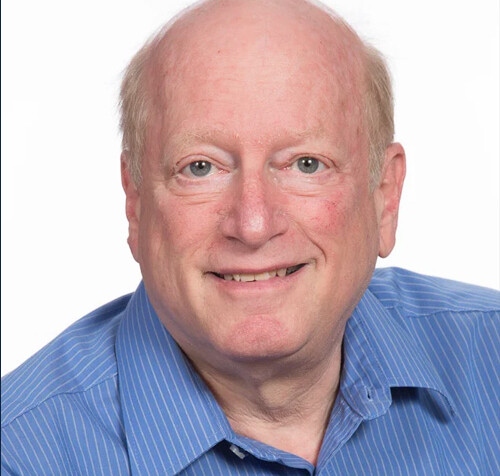
Is Authoritarian Constitutionalism an Oxymoron?
WCC 3007, Wasserstein Hall 1585 Massachusetts Ave., Cambridge, Massachusetts, United StatesSpeaker: Mark Tushnet, William Nelson Cromwell Professor of Law, Emeritus, Harvard Law School; Co-editor, Oxford Handbook of Law and Authoritarianism Professor Tushnet, who graduated from Harvard College and Yale Law School and served as a law clerk to Justice Thurgood Marshall, specializes in constitutional law and theory, including comparative constitutional law. His research includes studies
-
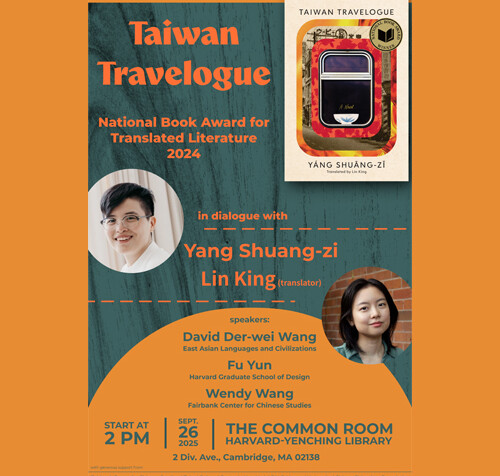
Taiwan Travelogue: A Dialogue with Author Yang Shuang-zi and Translator Lin King
Common Room, 2 Divinity Ave. 2 Divinity Ave., Cambridge, Massachusetts, United StatesSpeakers:David Der-Wei Wang, Edward C. Henderson Professor of Chinese Literature, Harvard UniversityFu Yun, Harvard Graduate School of DesignWendy Wang, Fairbank Center for Chinese Studies, Harvard University Venue
-
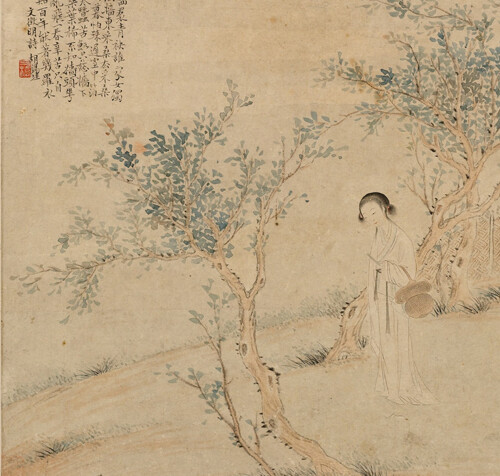
China Humanities Seminar featuring Zhuming Yao —The Early Chinese Lyric “I”: Between Poetics and Hermeneutics
Common Room, 2 Divinity Ave. 2 Divinity Ave., Cambridge, Massachusetts, United StatesSpeaker: Zhuming Yao, Assistant Professor of Chinese & Comparative Literature at Boston University Many poems in the Shijing 詩經 feature a lyric “I,” a first-person voice speaking about intense emotions. Yet, who those “Is” are has never been clear. After two millennia of commentarial writings, we are no more certain than the first critics of