
It was Peony Pavilion — the masterpiece of Ming Dynasty opera, written by Tang Xianzu more than 400 years ago — that made Thomas Kelly, Assistant Professor of Pre-Modern Chinese […]
It was Peony Pavilion — the masterpiece of Ming Dynasty opera, written by Tang Xianzu more than 400 years ago — that made Thomas Kelly, Assistant Professor of Pre-Modern Chinese […]
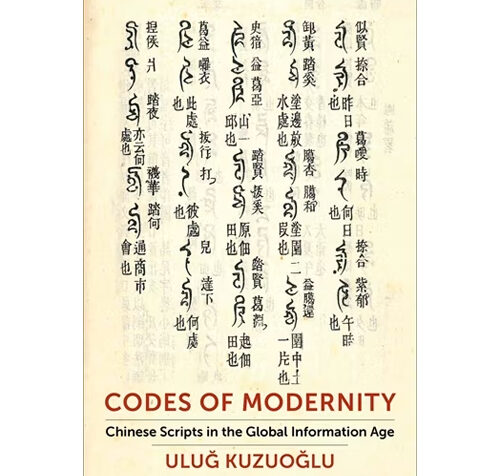
Speaker: Uluğ Kuzuoğlu, Assistant Professor of History, Washington University in St. Louis In the late nineteenth century, Chinese reformers and revolutionaries believed that there was something fundamentally wrong with the
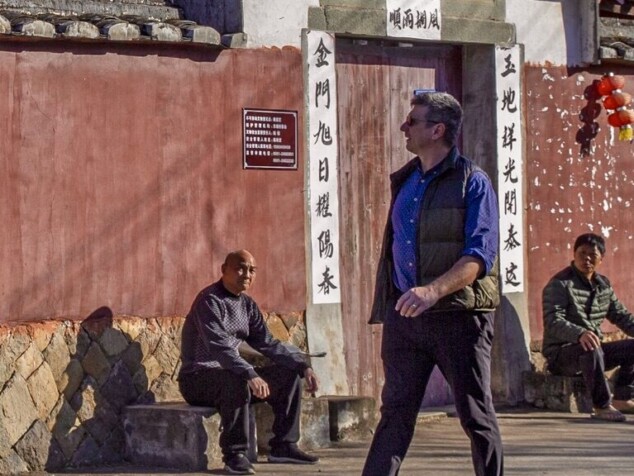
Cross-posted from the Harvard China Fund. Michael A. Szonyi is the Frank Wen-Hsiung Wu Memorial Professor of Chinese History at Harvard University. I arrived in China in August 2023 after
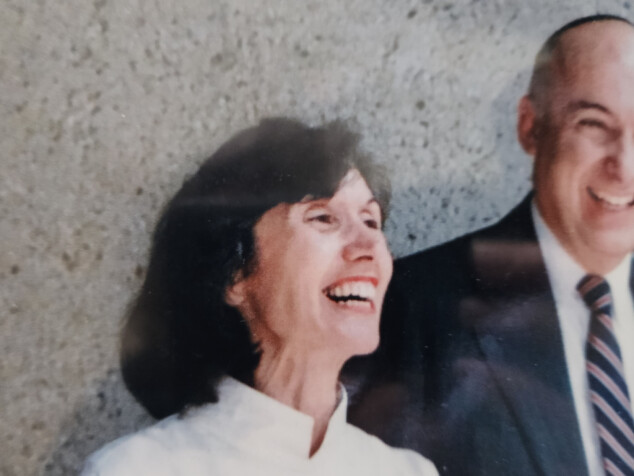
Merle Goldman, a huge figure in the field of contemporary Chinese intellectual history who for decades was a central figure at the Fairbank Center for Chinese Studies, died on November 16 at the age of 92.
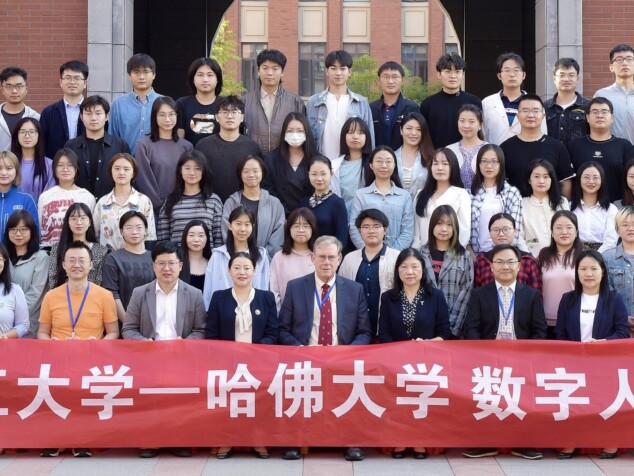
In late October and November, as part of the initiatives by the Harvard China Fund and the Fairbank Center for Chinese Studies to reengage activities in China, the China Biographical
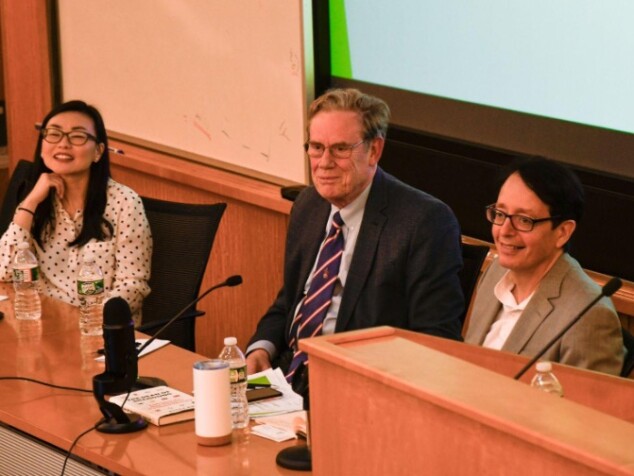
In a special talk with Confucian expert Daniel A. Bell, three scholars consider the evolving role of Confucianism in China During the Cultural Revolution, Chairman Mao and his Red Guards
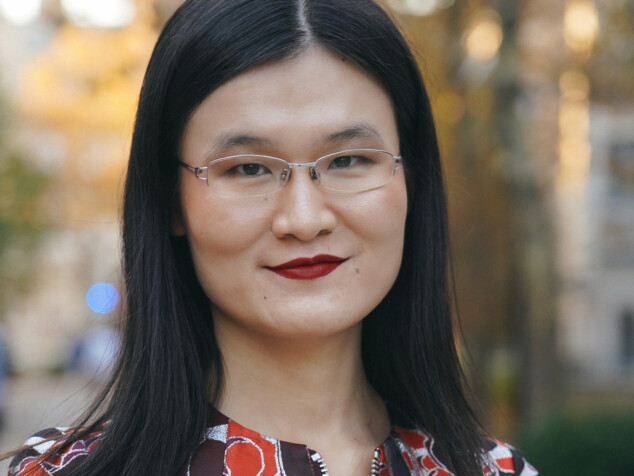
Speaker: Yangyang Cheng, Research Scholar in Law and Fellow, Paul Tsai China Center, Yale Law SchoolModerator: Victor Seow, Associate Professor of the History of Science, Department of the History of
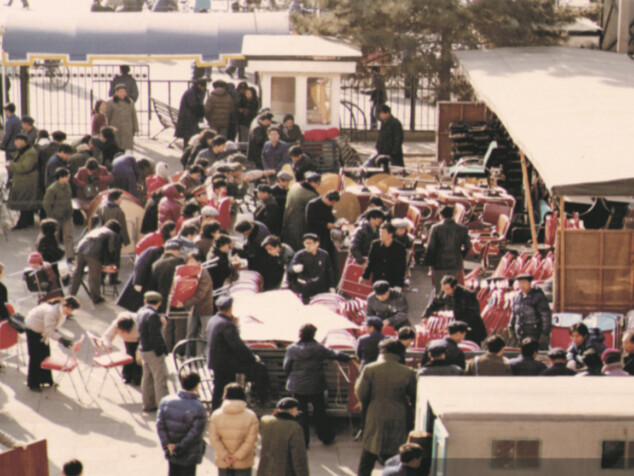
Jennifer Altehenger’s Talk Kicks Off the Fairbank Center’s Modern China Lecture Series China has been one of the largest furniture exporters for several decades, with its products furnishing homes all

Speaker: Ian Johnson, Senior Fellow for China Studies, Council on Foreign RelationsDiscussant: Annie Jieping Zhang, Reporter, Columnist, and Entrepreneur Harvard Book Store welcomes Ian Johnson — journalist whose work has
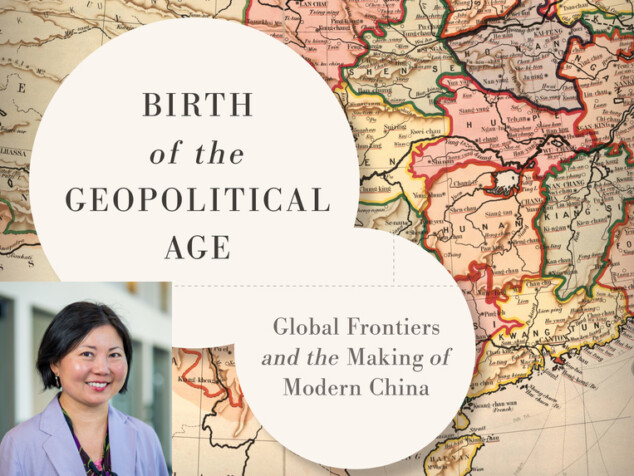
Speaker: Shellen X. Wu, Associate Professor and L.H. Gipson Chair in Transnational History, Lehigh University Global history has drawn criticism for its lack of diversity among its practicing ranks and