-
-
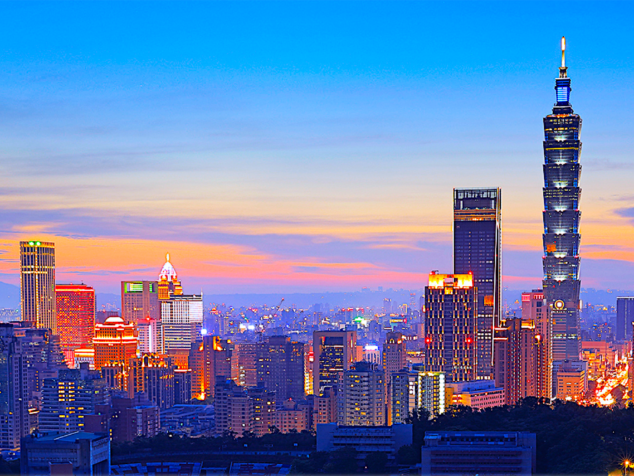
Taiwan Studies+ 2.0 Symposium
Yenching Auditorium 2 Divinity Ave., Cambridge, Massachusetts, United StatesAs Taiwan finds itself reentering into the global conversation today, where does the field of Taiwan Studies find itself in this historical moment? From the origins of capitalism to the threat of nuclear pollution, from soundscapes in the authoritarian era to contemporary video games, from indigenous identities to Cold War activism, and from geopolitical competition
-
Revisiting the Wasteocene: Shifting Circular Economies of Human Manure in Early 20th-Century China
Presented via ZoomSpeaker: Gonçalo Santos, University of Coimbra Present-day climate and environmental disruptions are connected to the workings of a global capitalist order that generates ever-growing amounts of waste. Emerging scholarship on what has come to be known as the Wasteocene has highlighted how waste in the age of global capitalism is never simply about matter; it is
-
Navigating Economic Lawfare: Multinational Firms in U.S.–China Competition
WCC 5044, Wasserstein Hall 1585 Massachusetts Ave., Cambridge, MassachusettsSpeakers:Mitch Presnick, Founder of Super 8 Hotels ChinaMatthew Bock Esq. LCB, Bock Trade LawJoin us for this timely and important lunch talk on how U.S.–China economic competition is reshaping the legal and business landscape for multinational firms. We are honored to welcome distinguished speakers with deep expertise in cross-border business and trade law: Mitch Presnick
-
Urban China Lecture Series featuring Zhao Miaoxi —Mismatched Industrial Land Lease Terms: Urban Land Vacancy Induced by Business Turnover
Presented via ZoomSpeaker: Zhao Miaoxi, South China University of TechnologyIn China's system of public land ownership, industrial land leases often extend beyond the relatively short lifespan of enterprises. Consequently, formulating land use strategies that account for business turnover has emerged as a crucial task for urban planning. This lecture explores urban land vacancy through the primary lens of
-
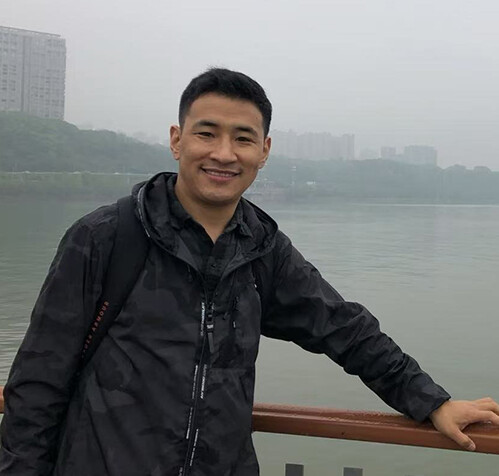
What Does It Mean to “Write Oneself” in Tibetan Autobiographical Tradition: The Amazing Life of Guru Chowang
Common Room, 2 Divinity Ave. 2 Divinity Ave., Cambridge, Massachusetts, United StatesSpeaker: Geri Jiebu, Associate Professor, School of Chinese Ethnic Minority Language and Literature, Minzu University of China; HYI Visiting Scholar, 2025-26Chair/Discussant: Janet Gyatso, Hershey Professor of Buddhist Studies, Harvard Divinity School Venue
-
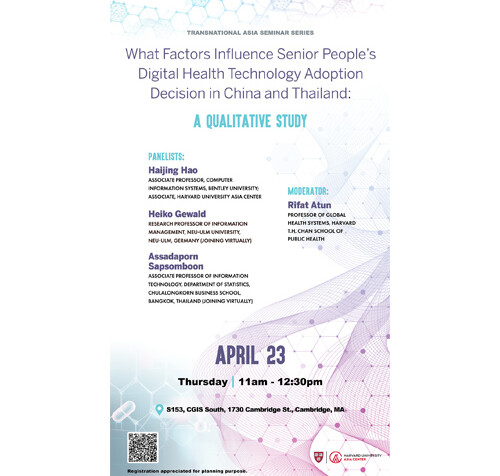
What Factors Influence Senior People’s Digital Health Technology Adoption Decision in China and Thailand: A Qualitative Study
CGIS South, Room S153 1730 Cambridge St., Cambridge, Massachusetts, United StatesPanelists:Haijing Hao, Associate Professor, Computer Information Systems, Bentley University; Associate, Harvard University Asia Center Heiko Gewald, Research Professor of Information Management, Neu-Ulm University, Neu-Ulm, Germany (joining virtually) Assadaporn Sapsomboon, Associate Professor of Information Technology, Department of Statistics, Chulalongkorn Business School, Bangkok, Thailand (joining virtually) Moderator: Hongtu Chen, Co-director, Social Technology for Global Aging Research Initiative at Harvard;
-

Gender Studies and Performance Workshop
CGIS South S020, Belfer Case Study Room 1730 Cambridge St., Cambridge, MA, United States9:00 - 9:15 AM: Welcome Remarks 9:15 - 10:45 AM: Panel One Commentators: Waiyee Li, Harvard UniversityThomas Kelly, Harvard University Eugene Wang, Harvard UniversityThe Woman Inhabiting a Dog’s Body: How Asian Theatre Evolved? When did Asian theatre begin—and how? I approach this question through a single, startling image: Mulian’s mother reborn as a dog. The
-
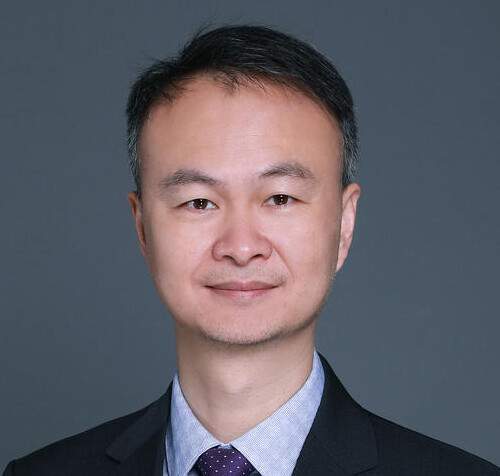
Green Transportation: Co-benefits for Climate, Air Quality, and the Economy
Pierce Hall 100F 29 Oxford St., Cambridge, MA, United StatesSpeaker: WU Ye, Professor, School of Environment, Tsinghua University, Beijing, China; Executive Deputy Director, Beijing Laboratory of Environment Frontier, China Electric vehicle (EV) promotion is a key strategy to improve air quality and address climate change. As the world’s largest manufacturer of EVs and batteries, China’s rapid development in both passenger and commercial fleets has
-
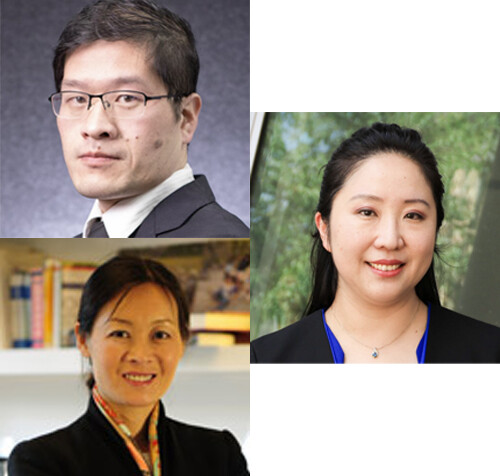
China’s Political Economy: Challenges and Opportunities — Presentations by Fairbank Center Visiting Scholars and Fellows
CGIS South, Room S153 1730 Cambridge St., Cambridge, Massachusetts, United StatesPresentations: Lingang Zhou, Associate Professor, School of Politics and International Affairs, East China Normal University; 2025-26 Visiting Scholar, Fairbank Center for Chinese Studies Why is China’s Constitution “provisional” and why does it matter?China’s constitution provides the foundation for the People’s Republic of China’s governing system. However, a deep analysis of the Communist Party’s own logic and language
-
-
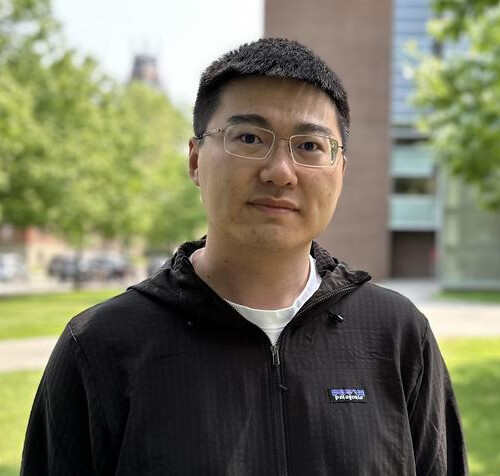
Electric Vehicle–Power System Interactions: Potential, Impacts, and Economics
Pierce Hall 100F 29 Oxford St., Cambridge, MA, United StatesTopics: Speaker: ZHAO Yang, Postdoctoral Fellow, Harvard Paulson School of Engineering and Applied Sciences Venue
Events
10 events found.