Events
-
-
Urban China Lecture Series featuring Zhao Miaoxi —Mismatched Industrial Land Lease Terms: Urban Land Vacancy Induced by Business Turnover
Presented via ZoomSpeaker: Zhao Miaoxi, South China University of TechnologyIn China's system of public land ownership, industrial land leases often extend beyond the relatively short lifespan of enterprises. Consequently, formulating land use strategies that account for business turnover has emerged as a crucial task for urban planning. This lecture explores urban land vacancy through the primary lens of
-
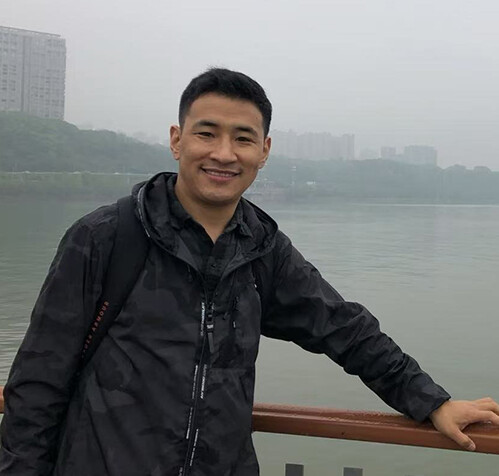
What Does It Mean to “Write Oneself” in Tibetan Autobiographical Tradition: The Amazing Life of Guru Chowang
Common Room, 2 Divinity Ave. 2 Divinity Ave., Cambridge, Massachusetts, United StatesSpeaker: Geri Jiebu, Associate Professor, School of Chinese Ethnic Minority Language and Literature, Minzu University of China; HYI Visiting Scholar, 2025-26Chair/Discussant: Janet Gyatso, Hershey Professor of Buddhist Studies, Harvard Divinity School Venue
-
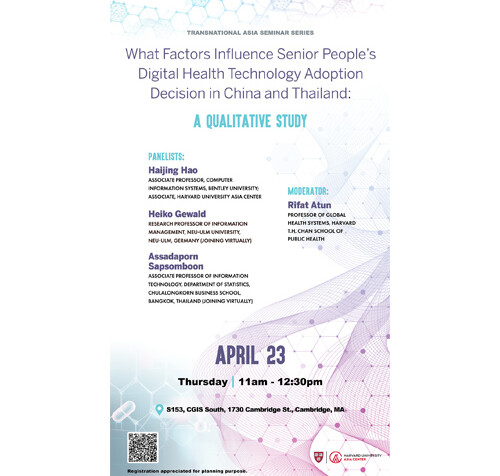
What Factors Influence Senior People’s Digital Health Technology Adoption Decision in China and Thailand: A Qualitative Study
CGIS South, Room S153 1730 Cambridge St., Cambridge, Massachusetts, United StatesPanelists:Haijing Hao, Associate Professor, Computer Information Systems, Bentley University; Associate, Harvard University Asia Center Heiko Gewald, Research Professor of Information Management, Neu-Ulm University, Neu-Ulm, Germany (joining virtually) Assadaporn Sapsomboon, Associate Professor of Information Technology, Department of Statistics, Chulalongkorn Business School, Bangkok, Thailand (joining virtually) Moderator: Hongtu Chen, Co-director, Social Technology for Global Aging Research Initiative at Harvard;
-
A Conversation with Ambassador Lui Tuck Yew of Singapore
Ellwood Democracy Lab - Rubenstein 414AB 79 JFK St., Cambridge, Massachusetts, United StatesJoin us for a fireside chat between Ambassador Lui Tuck Yew and Ambassador Nicholas Burns. The conversation will explore Singapore’s role amid intensifying U.S.–China competition and consider the broader forces shaping today’s international landscape. Amb Lui Tuck Yew was appointed Singapore’s Ambassador to the United States in June 2023, after serving as Ambassador to China (2019–2023)
-
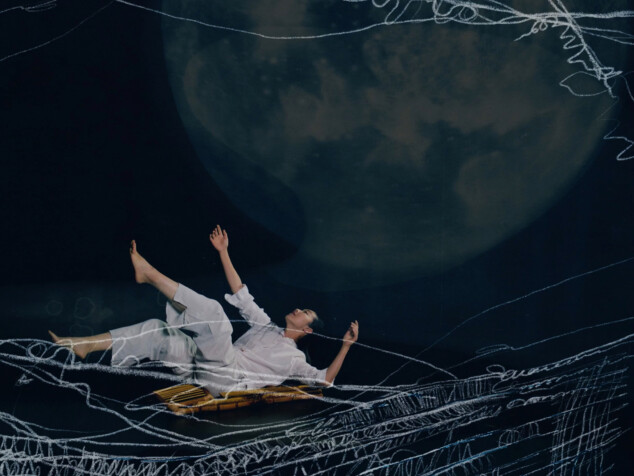
Gender Studies and Performance Workshop
CGIS South S020, Belfer Case Study Room 1730 Cambridge St., Cambridge, MA, United States9:00 - 9:15 AM: Welcome Remarks 9:15 - 10:45 AM: Panel One Commentators: Waiyee Li, Harvard UniversityThomas Kelly, Harvard University Eugene Wang, Harvard UniversityThe Woman Inhabiting a Dog’s Body: How Asian Theatre Evolved? When did Asian theatre begin—and how? I approach this question through a single, startling image: Mulian’s mother reborn as a dog. The
-
Green Transportation: Co-benefits for Climate, Air Quality, and the Economy
Pierce Hall 100F 29 Oxford St., Cambridge, MA, United StatesSpeaker: WU Ye, Professor, School of Environment, Tsinghua University, Beijing, China; Executive Deputy Director, Beijing Laboratory of Environment Frontier, China Electric vehicle (EV) promotion is a key strategy to improve air quality and address climate change. As the world’s largest manufacturer of EVs and batteries, China’s rapid development in both passenger and commercial fleets has
-
-
2026 Harvard Visual China Graduate Symposium — Enclosures: In and Out of Worldmaking
Sackler Building Auditorium 485 Broadway, Cambridge, MA, United StatesThroughout history, the meeting of images and architecture has generated spaces of imagination, devotion, and meaning. From murals and sculpture ensembles in Buddhist cave temples to digital projections and immersive installations, images and architecture have long collaborated in the making of worlds. Yet the relationship between images and architecture in artistic worldmaking is anything but
-
China’s Political Economy: Challenges and Opportunities — Presentations by Fairbank Center Visiting Scholars and Fellows
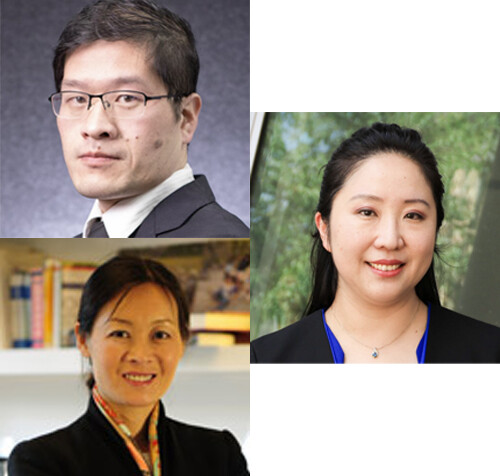
CGIS South Room S354 1730 Cambridge St, Cambridge, MA, United StatesPresentations: Lingang Zhou, Associate Professor, School of Politics and International Affairs, East China Normal University; 2025-26 Visiting Scholar, Fairbank Center for Chinese Studies The Progressive Logic of the PRC’s ConstitutionThe PRC’s constitution was initially established on the basis of a differentiated allocation of political power. First, the exploiting classes were deprived of the right to vote. Second,
-
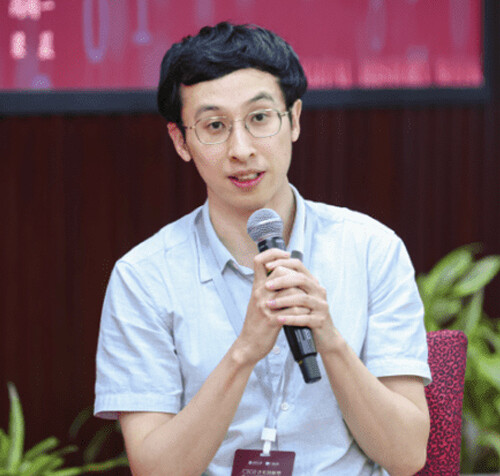
Poetry Evaluation and Gender Portrayal in Early Medieval Chinese Texts: Two Case Studies Using Language Models
Room K354, CGIS Knafel 1737 Cambridge St, Cambridge, Massachusetts, United StatesSpeaker: Wenyi Shang, Assistant Professor, School of Information Science & Learning Technologies, University of MissouriEarly medieval Chinese texts are known for their interpretive richness, inviting a wide range of sometimes conflicting readings. The development of Transformer-based language models allows us to revisit these texts and examine them comparatively within a shared semantic space. This presentation
-
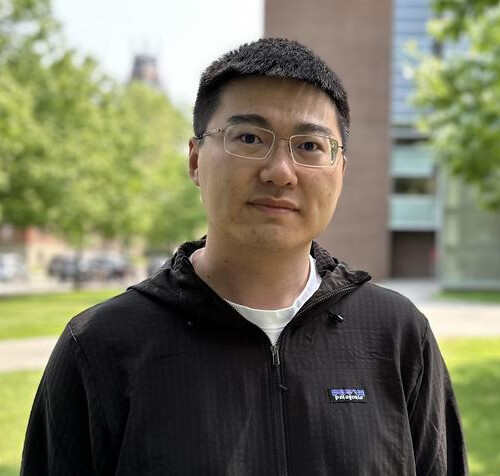
Electric Vehicle–Power System Interactions: Potential, Impacts, and Economics
Pierce Hall 100F 29 Oxford St., Cambridge, MA, United StatesSpeaker: ZHAO Yang, Postdoctoral Fellow, Harvard Paulson School of Engineering and Applied Sciences RSVP Required EV-grid integration (VGI) has the potential to manage the power demand from EVs and utilize EV batteries as distributed storage to support power-system balancing. Challenges remain in planning the long-term development of EV-grid integration, as the system value of VGI
-
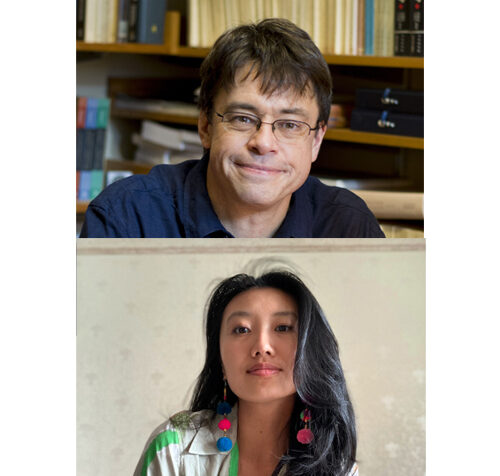
How to Cultivate a Moral Human: A Conversation with Michael Puett and Amy Zhang
CGIS South, Room S153 1730 Cambridge St., Cambridge, Massachusetts, United StatesSpeakers:Michael Puett, Walter C. Klein Professor of Chinese History; Director, Harvard University Asia CenterAmy Zhang, Master's Student, Harvard Graduate School of EducationWhat can ancient Confucian philosophy offer for how we design education and live well in the AI age?Mencius argued that moral life begins not with rules but with cultivating the "four sprouts," the seeds
-
-
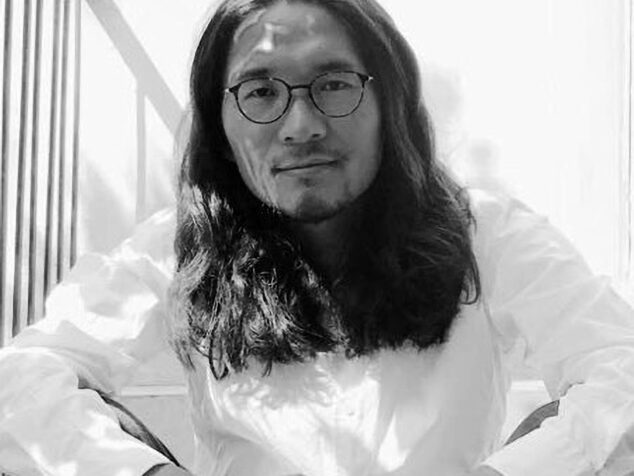
Film Screening and Discussion: Daughter of the Light with the Filmmaker
Hall A, Science Center 1 Oxford St., Cambridge, Massachusetts, United StatesSpeaker: Khashem Gyal, Filmmaker; Adjunct Assistant Professor, School of the Arts, and Asia in Action Fellow, Weatherhead East Asian Institute, Columbia University Daughter of the Light is a deeply moving feature documentary about thirteen-year-old Metok Karpo who lives in a Tibetan boarding school for orphans. The film follows Metok as she navigates the emotional complexities