
Calendar of Events
|
Sunday
|
Monday
|
Tuesday
|
Wednesday
|
Thursday
|
Friday
|
Saturday
|
|---|---|---|---|---|---|---|
|
0 events,
|
0 events,
|
0 events,
|
2 events,
-
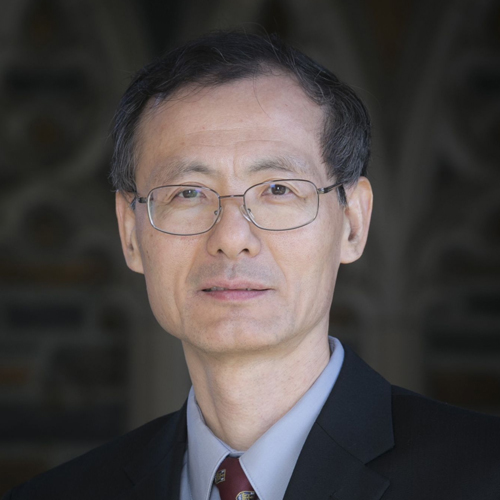
Speaker: Xi Lian, David C. Steinmetz Distinguished Professor of World Christianity, Duke University Divinity School; Visiting Scholar, Harvard Divinity School Discussant: James Robson, James C. Kralik and Yunli Lou Professor of East Asian Languages and Civilizations, Harvard College Professor, Harvard University; Director, Harvard-Yenching Institute In his Asian tour in 1920, Bertrand Russell noted the prominence
-
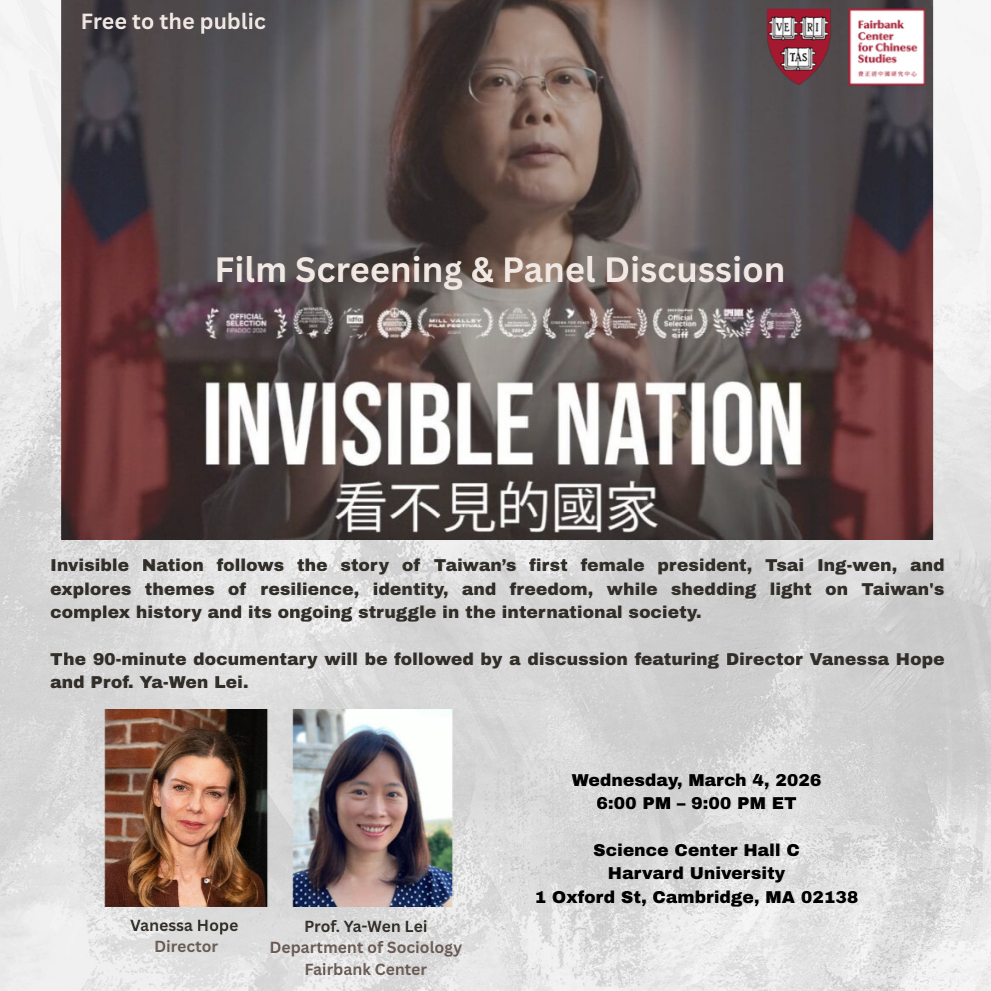
Speaker: Vanessa Hope, DirectorDiscussant: Ya-Wen Lei, Professor, Department of Sociology, Harvard University Invisible Nation follows the story of Taiwan’s first female president, Tsai Ing-wen, and explores themes of resilience, identity, and freedom, while shedding light on Taiwan's complex history and its ongoing struggle in the international society. The 90-minute documentary will be followed by a |
0 events,
|
1 event,
-

Speaker: Peter Dutton, Senior Research Fellow, Paul Tsai China Center; Professor Emeritus, U.S. Naval War College Discussants: Alastair Iain Johnston, Professor, Government Department, Harvard UniversityWilliam P. Alford, Jerome A. and Joan L. Cohen Professor of Law; Director, East Asian Legal Studies Program; Chair, Harvard Law School Project on Disability, Harvard Law School Taiwan’s political status |
0 events,
|
|
0 events,
|
3 events,
-

Speaker: Michelle Miao, Associate Professor of Law, The Chinese University of Hong Kong Social media function not merely as communication conduits but as active agents shaping public discourses central to judicial matters and political life. This talk examines how public discussions of high-profile capital homicide cases are transmitted through social media algorithms. Drawing on mediated
-
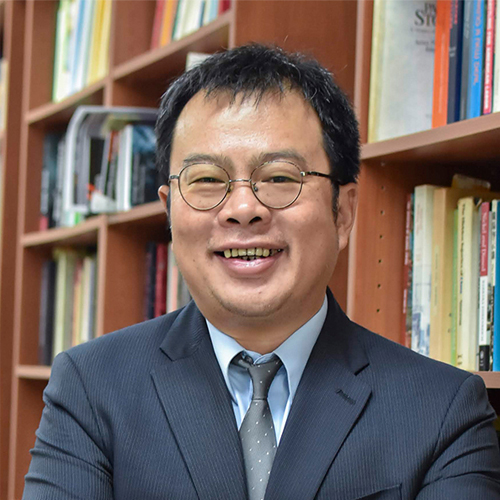
Speaker: Ming-sho Ho, Distinguished Professor, Department of Sociology, National Taiwan University How do ordinary citizens organize to push back against creeping authoritarianism in the wake of increased technological surveillance by government? What happens when these protest efforts falter? Drawing on an analysis of over 1700 events events and 189 interviews tied to Hong Kong’s 2019
-
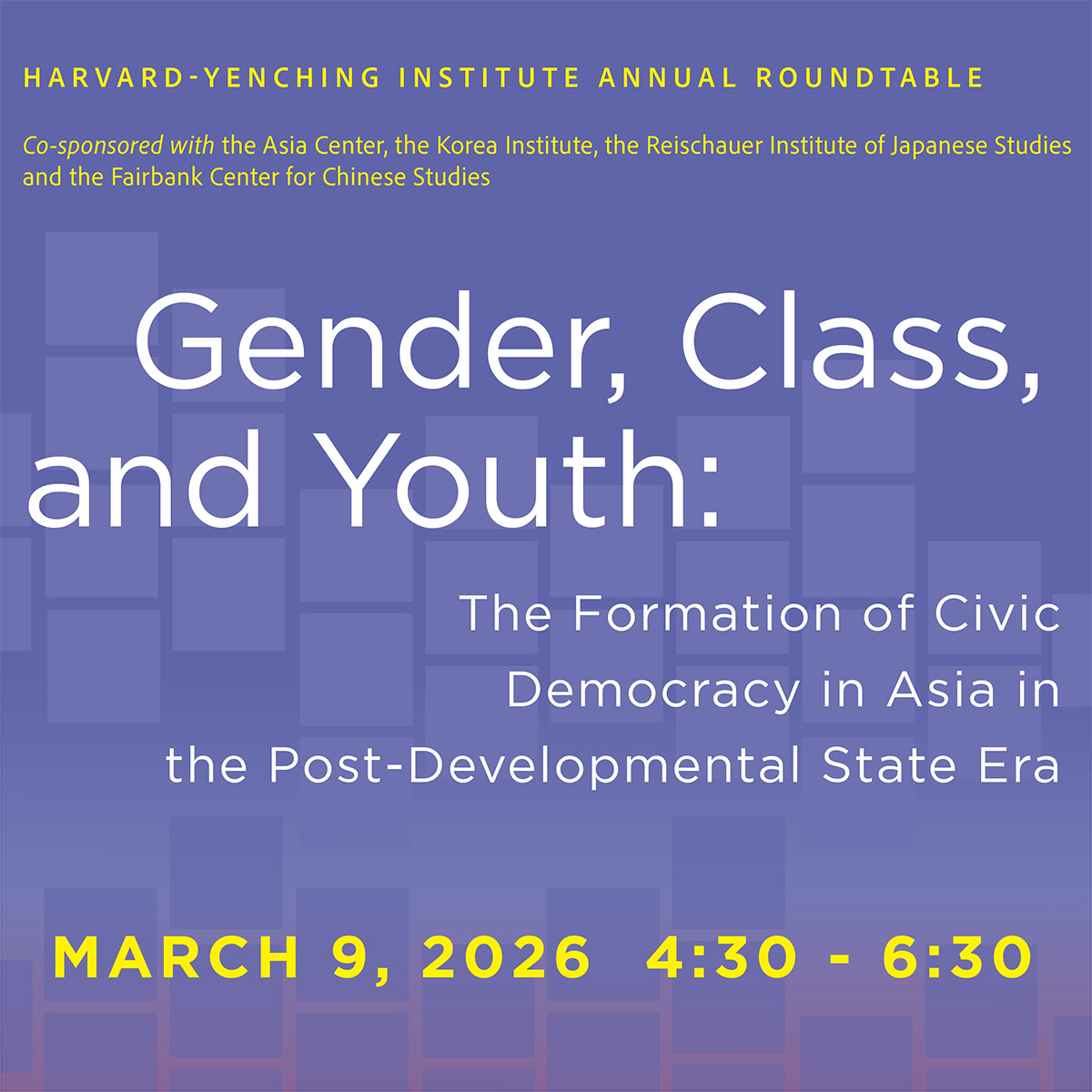
Panelists:Netiwit Chotiphatphaisal, Harvard Divinity School Fellow, Publisher, and Democracy ActivistMing-sho Ho, Professor, Department of Sociology, National Taiwan UniversityEleana Kim, Professor, Anthropology and Asian American Studies, University of California, IrvineHyun Mee Kim, Professor, Department of Cultural Anthropology, Yonsei UniversityAnthony J. Spires, Professor, Centre for Contemporary Chinese Studies, The University of MelbourneKiyoteru Tsutsui, Director, Shorenstein Asia-Pacific Research |
1 event,
-
Speaker: Su Xiaobo, University of Oregon Financialization has become a central force to reshape urban development. This paper explores one specific mechanism of financialization—state-led venture capital (SVC)—to elucidate an emergent trend in which governments act as equity investors to support startups and scaleups. Such investments are not necessarily aimed at ownership, but rather at fostering |
2 events,
-

Speaker: Jennifer Lind, Associate Professor of Government, Dartmouth University Discussant: Meg Rithmire, James E. Robison Professor of Business Administration, Business, Government, and International Economy Unit, Harvard Business SchoolGreat power competition requires countries to be technological leaders, but an influential literature holds that autocracies, which suppress creativity and information flows, stifle innovation. Many observers of China's
-

Speaker: Haochen Sun, Professor of Law, The University of Hong Kong What role have state-orchestrated intellectual property policies played in China’s emergence as a major technology innovator? This talk discusses two interrelated transformations that have taken place in China over the past two decades: the rise and fall of the shanzai (copycat) culture movement and China’s |
0 events,
|
1 event,
-

Situated at a complex intersection where economic imperatives, socio-cultural transformations, and geopolitical shifts converge, technological trajectories within the orbit of “global China” have emerged as a pivotal force reconfiguring domestic fabrics and the international order. To navigate this complexity, the workshop transcends traditional disciplinary silos. We foster an interdisciplinary dialogue by bringing macro-level political economy |
0 events,
|
|
0 events,
|
0 events,
|
1 event,
-
Speaker: Taomo Zhou, National University of SingaporeMeeting Registration - Zoom Venue |
0 events,
|
0 events,
|
0 events,
|
0 events,
|
|
0 events,
|
2 events,
-
Speakers:Ji Li, John & Marilyn Long Professor of US-China Business and Law, UC Irvine School of Law William Lee, Partner, WilmerHaleEli Goldston, Visiting Lecturer on Law, Harvard Law School Tiezheng Li, Assistant China Representative, International Law Institute David B. Wilkins, Lester Kissel Professor of Law, Harvard Law SchoolJoin the Harvard Law and International Development Society
-

Speaker: Rebecca Doran, University of Miami The various regimes that emerged during third through sixth centuries grappled from different perspectives with the establishment of dynastic dress regulations, meant to promote hierarchical order at home and project legitimacy and strength abroad. This form of conveying authority was complicated by geopolitical developments, including regime changes and tensions |
0 events,
|
3 events,
-

Speaker:Robert Lee Suettinger, Former National Intelligence Officer for East Asia, National Intelligence Counsel Discussant: Arunabh Ghosh, Professor of History, Harvard UniversityOver the past year, Robert Suettinger has spent much time monitoring domestic politics in the People’s Republic of China, much as he did as an apprentice political-military analyst at the Central Intelligence Agency fifty years
-
Speaker: Ely Ratner, Principal, The Marathon Initiative; Senior Advisor, Clarion Strategies; Assistant Secretary of Defense for Indo-Pacific Security Affairs, 2021-2025 Respondent: Mark Wu, Henry L. Stimson Professor of Law, Harvard Law School; Director, Fairbank Center for Chinese StudiesModerator: Edward Cunningham, Director of Ash Center China Programs and the Asia Energy and Sustainability Initiative. The Rajawali Foundation Institute
-
Speaker: Graham Webster, Stanford University US thinkers once looked to the future of Internet technology in China with dreams of liberalization. China and the US co-built and jointly profited from the 2000s digital economy and the smartphone revolution, yet in the 2010s both countries’ governments became increasingly anxious about their vulnerability and interdependence in the |
1 event,
-
Speaker: Seong-Hyon Lee, Senior Fellow, George H. W. Bush Foundation for U.S.-China Relations; Associate, Harvard University Asia Center Moderator: Andrew Erickson, Visiting Scholar, Fairbank Center for Chinese Studies, Harvard University; Professor of Strategy, China Maritime Studies Institute, U.S. Naval War College Registration appreciated for planning purposes. For decades, East Asian middle powers like South Korea thrived |
2 events,
-
Keynote: Mariano-Florentino (Tino) Cuéllar, President, Carnegie Endowment for International PeaceModerator: Marisol Argueta de Barillas, Head of Latin America; Member of the Executive Committee, World Economic Forum Panelists:Enrique Dussel Peters, Professor, Graduate School of Economics, Universidad Nacional Autónoma de México (UNAM)Mark Wu, Director, Fairbank Center for Chinese Studies, Harvard University; Henry L. Stimson Professor of Law,
-
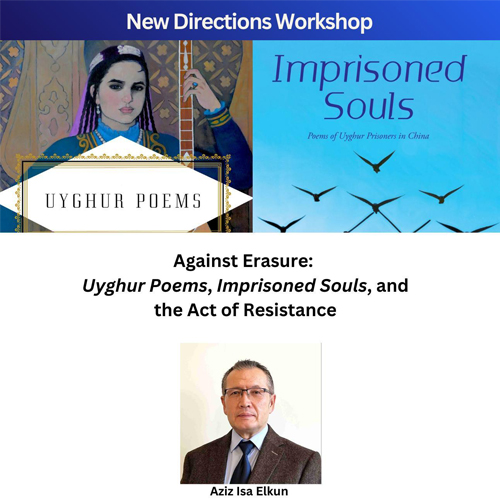
Speaker: Aziz Isa Elkun, University of London In the face of the Chinese government1s systemic efforts to silence the Uyghur people, the written word becomes a profound act of resistance. Against this backdrop of cultural erasure, two recently pubIished English-language poetry anthologies - Uyghur Poems and Imprisoned Souls, stand as vital testaments to love, survival, |
0 events,
|
|
0 events,
|
0 events,
|
3 events,
-
Speaker: Chris Courtney, Associate Professor of Modern Chinese History, University of Durham, UK.Cold chains are a vital component of modern cities. Most histories trace their origins to the advent of the ice trade in the nineteenth century. This paper argues that cold chains have been around a lot longer. In China, they have been used
-
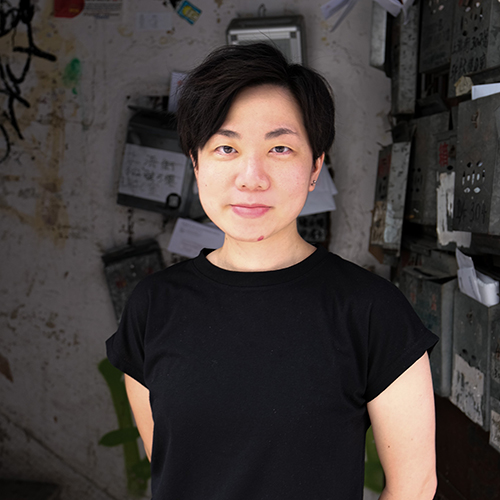
Speaker: Ruby YS LAI, Assistant Professor, Department of Sociology and Social Policy, Lingnan University; HYI Visiting Scholar, 2025-26Chair/Discussant: Ya-Wen Lei, Professor of Sociology, Harvard University In the past decades, the growing housing crisis has destabilized individual housing tenure and exacerbated an everyday sense of insecurity, especially among low-income renters in megacities, where housing costs continuously soar under increased
-
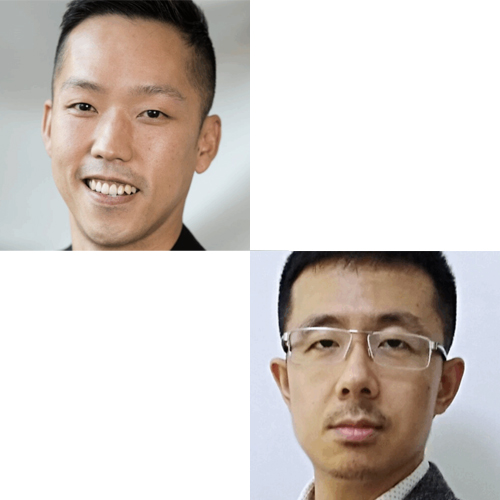
Please join us for research presentations by two Fairbank Center Visiting Scholars: Tommy Tse, Associate Professor in the Department of Media Studies, University of AmsterdamChina as data colonizer? Rethinking cultural production, cultural mediation, and consumer agency on Kenyan and Chinese e-commerce platforms Is China becoming a new “data coloniser” in the Global South? As Chinese digital |
2 events,
Please join us for HALS 2026 Conference, which will take place at the WCC on Harvard Law School Campus April 1st & 2nd. This year, panels will feature topics like AI regulations across Asia, the future of US-China trade relations, practicing in-house at multinational companies, and more. Please click here for details on the full agenda, panel
-
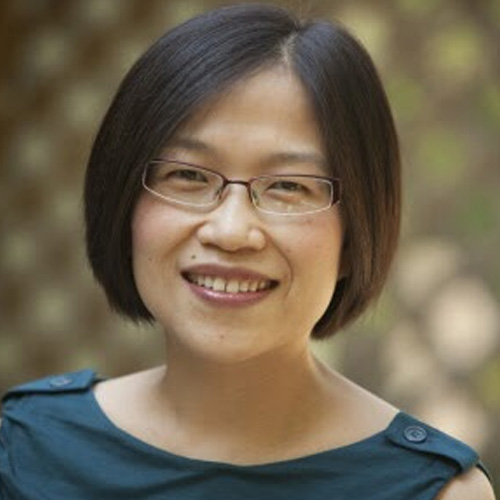
Speaker: Panle Jia Barwick, Todd E. and Elizabeth H. Warnock Distinguished Chair Professor, Department of Economics, University of Wisconsin-Madison This paper examines China’s transition from pharmaceutical “free rider” to global innovator over the last decade. In 2010, China accounted for less than 8% of global clinical trials; by 2020, it had surpassed the US in |
1 event,
|
0 events,
|
0 events,
|