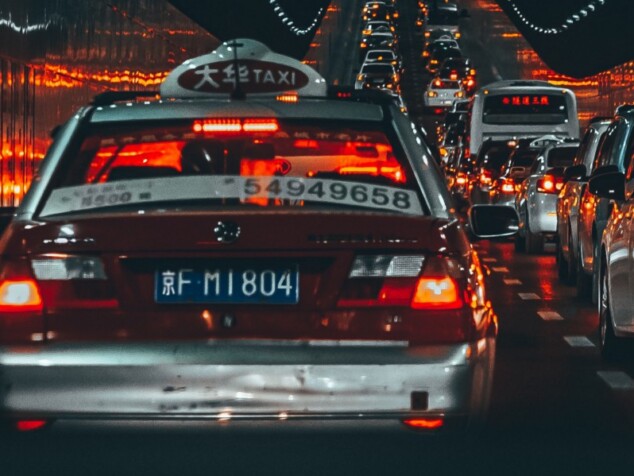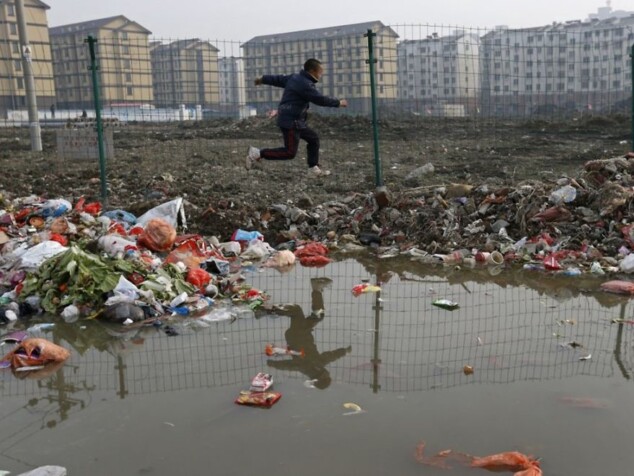
When the combination of a vehicle restriction policy in Beijing and the Chinese superstition about the number 4 led to just such a phenomenon, Harvard-China Project affiliate Professor Jing Cao and her fellow collaborators seized the opportunity to study the health effects of air pollution in Beijing.
Blog
Andrew S. Erickson, Professor at the U.S. Naval War College’s China Maritime Studies Institute (CMSI) and Associate in Research at the Fairbank Center, assesses how strong China’s armed forces are and why that matters.
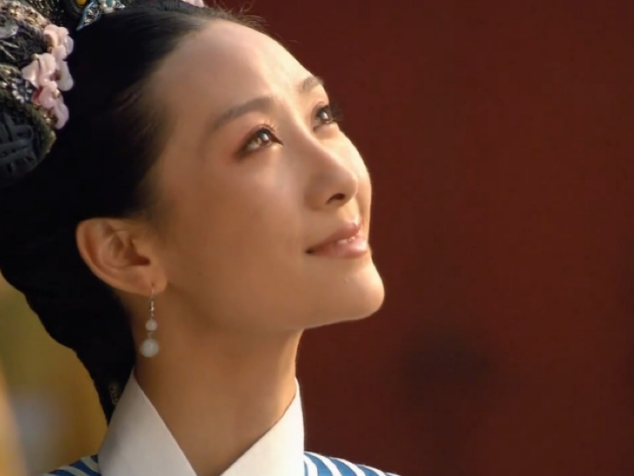
Jasmine Hu, Ph.D. Candidate in Comparative Literature at Harvard University, examines recent female performances of ci poetry on Chinese television and the relationship between gender and genre.
Jennifer Lind and Daryl G. Press argue that China is employing strategic logic to improve the country’s energy security.
Elizabeth Lord’s research seeks to understand the relationship between China’s changing environment and the production of environmental knowledge.
Maria Adele Carrai’s research examines how China’s legal history affects the country’s foreign policy.
Rujing Huang 黃儒菁 , Ph.D. Candidate in Ethnomusicology at Harvard University, explores the musical roots of “harmony” in Chinese history.
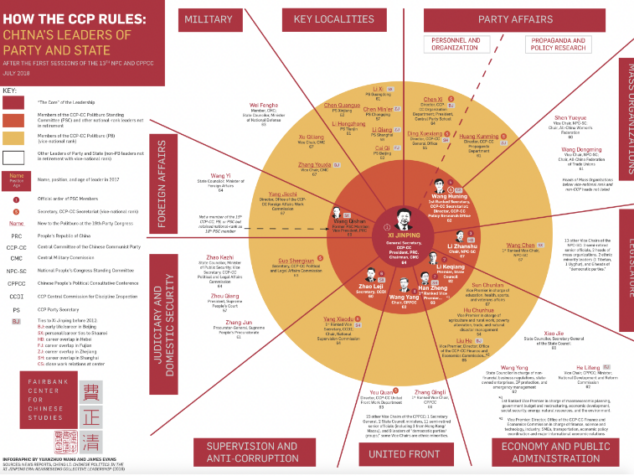
The Fairbank Center for Chinese Studies presents a visual guide to China’s leadership after the “Two Meetings” of March 2018, and the new leaders’ ties to Xi Jinping.
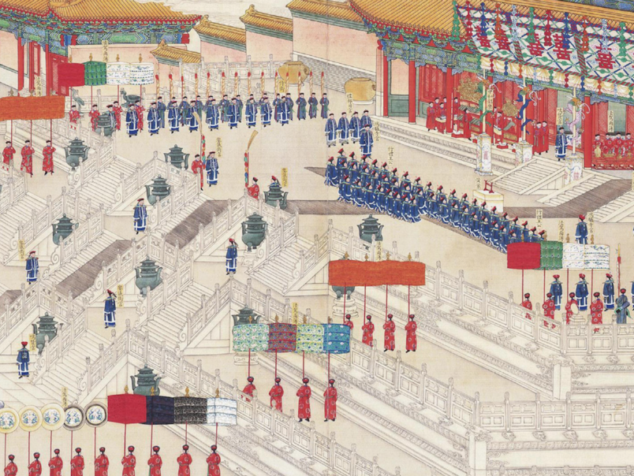
Lu Kou, Ph.D. Candidate at Harvard University, describes how sixth-century diplomats were expected to be apt at verbal confrontation and witty rebuttals to achieve their diplomatic missions.
Steven Goldstein, Director of the Fairbank Center’s Taiwan Studies Workshop, reports back from the group’s recent trip to Taiwan and the Mainland.