Andrew S. Erickson, Professor at the U.S. Naval War College’s China Maritime Studies Institute (CMSI) and Associate in Research at the Fairbank Center, assesses how strong China’s armed forces are and why that matters.
Andrew S. Erickson, Professor at the U.S. Naval War College’s China Maritime Studies Institute (CMSI) and Associate in Research at the Fairbank Center, assesses how strong China’s armed forces are and why that matters.
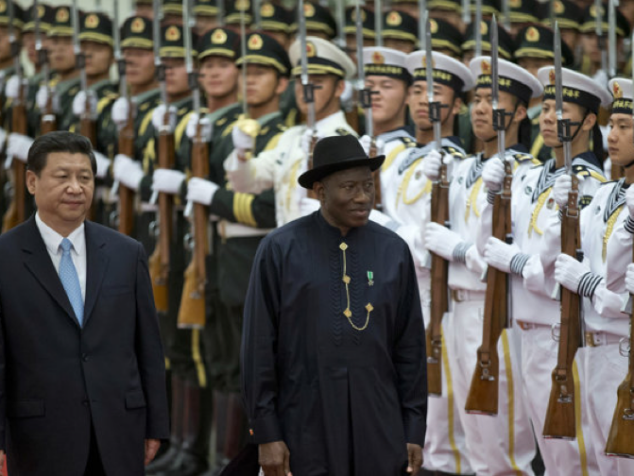
Jennifer Lind and Daryl G. Press argue that China is employing strategic logic to improve the country’s energy security.
Maria Adele Carrai’s research examines how China’s legal history affects the country’s foreign policy.
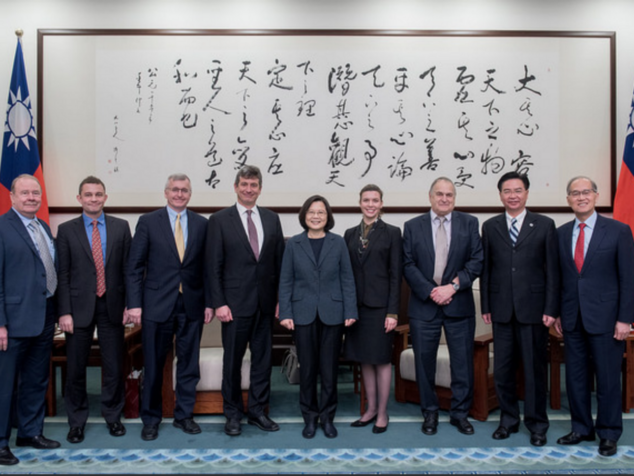
Steven Goldstein, Director of the Fairbank Center’s Taiwan Studies Workshop, reports back from the group’s recent trip to Taiwan and the Mainland.
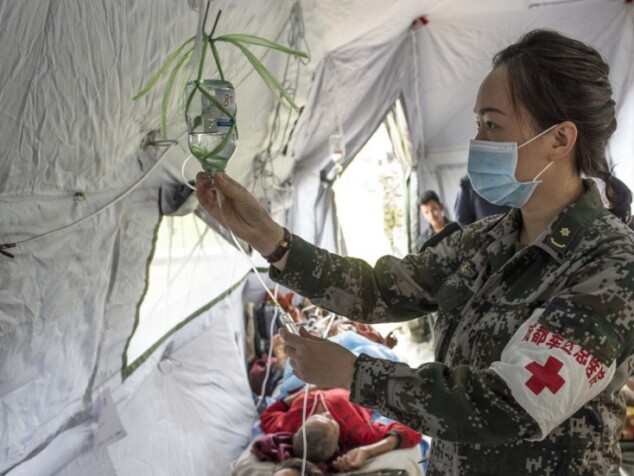
Together with a team from AidData and Heidelberg University, Austin M. Strange has been tracking China’s international aid and state financing, which presents a more complex view of Chinese aid than was previously thought.
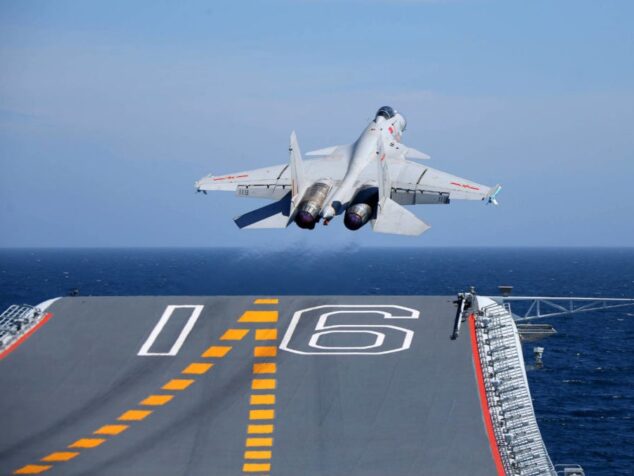
Tyler Jost, Ph.D. Candidate in Government at Harvard University and Graduate Student Associate at the Fairbank Center, examines the Trump Administration’s shifting position on U.S.-China relations.
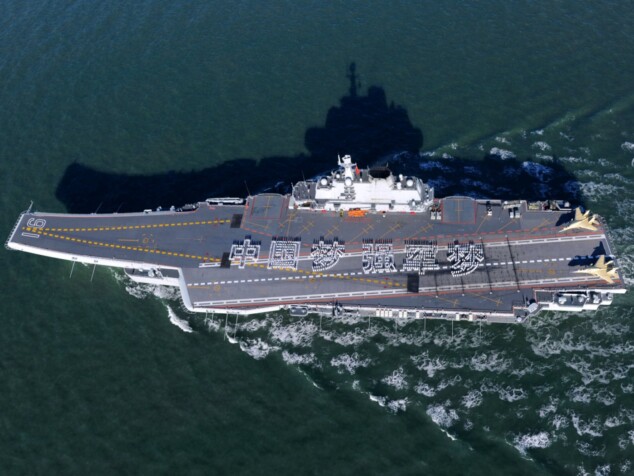
Andrew S. Erickson, professor at the U.S. Naval War College’s China Maritime Studies Institute (CMSI) and Fairbank Center Associate in Research, outlines China’s evolving maritime security forces.
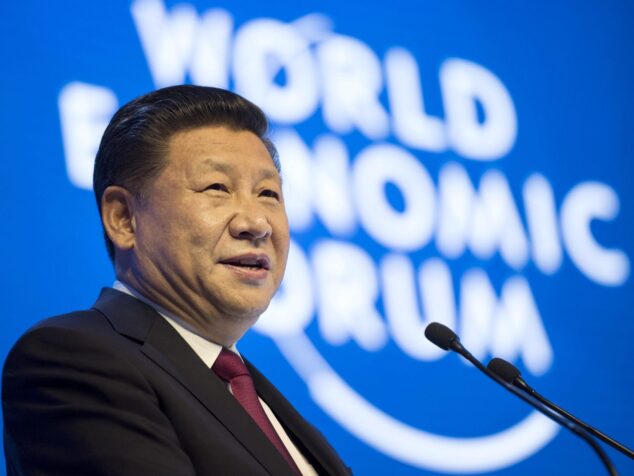
The U.S. is losing global leadership. China has a vision of leadership but it is unclear whether it can fulfill that vision.
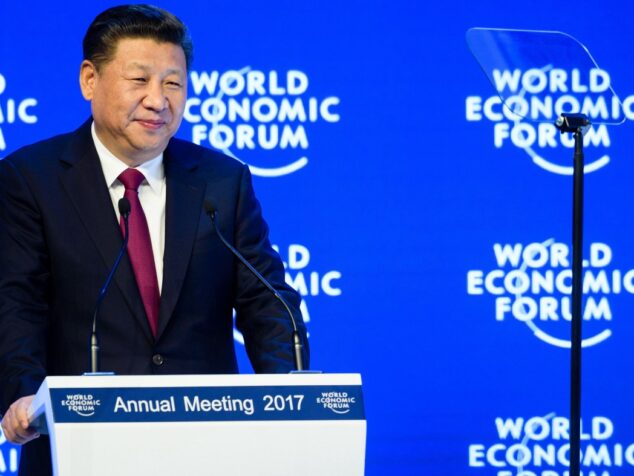
Björn Jerdén, former Fairbank Center pre-doctoral fellow and currently Head of the Asia Program at the Swedish Institute of International Affairs, asks what Beijing needs to do to be considered a global leader.
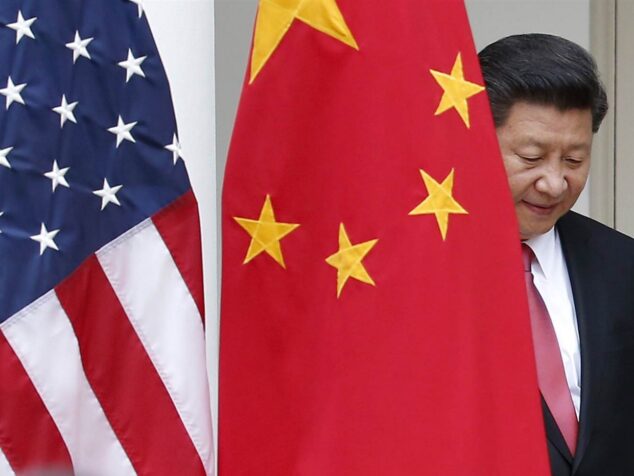
Professor Alastair Iain Johnston explains three paradoxes at the center of the new Trump administration’s approach to China and Taiwan, as part of the Fairbank Center’s new blog series on Trump and Asia.