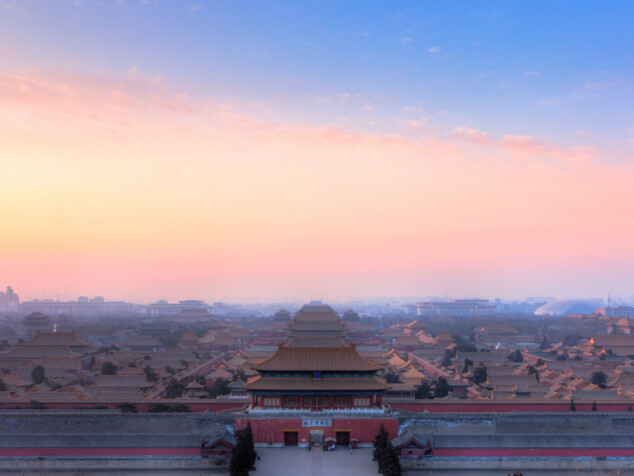
The first deadline for undergraduate Winter Term student grants and graduate students Taiwan Studies grants is October 30! Are you considering doing work in China or Taiwan during the Winter […]
The first deadline for undergraduate Winter Term student grants and graduate students Taiwan Studies grants is October 30! Are you considering doing work in China or Taiwan during the Winter […]
Speaker: Chih-Hua Chiang, National Taiwan University; HYI Visiting Scholar, 2023-24Chair/Discussant: Matthew Liebmann, Harvard University More info: https://www.harvard-yenching.org/events/diachronic-analysis-of-human-object-relations/ Venue
A Fairbank Center delegation visited Taiwan recently and found no sense of imminent crisis but plenty of talk about U.S.-China relations
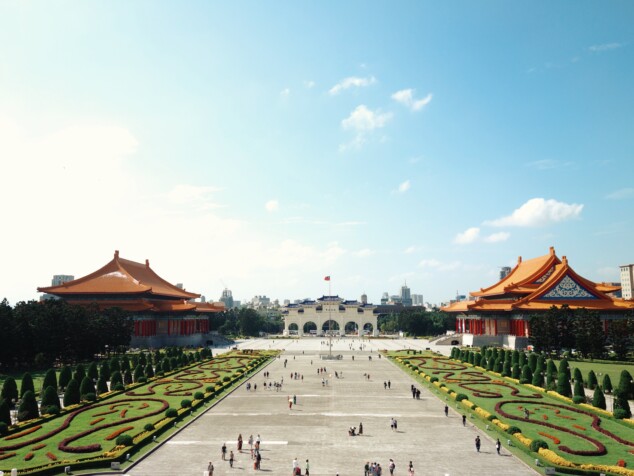
Panelists:Lev Nachman, National Chengchi UniversitySara Newland, Smith CollegeChia-hung Tsai, National Chengchi University; 2022-2023 Visiting Scholar, Fairbank Center for Chinese Studies Moderator: Steven M. Goldstein, Fairbank Center Associate The opposition Kuomintang

On November 26, Taiwan will be holding elections for nine local jurisdictions ranging from mayors of special municipalities such as Taipei to county magistrates down to the village chiefs. As

On November 26, Taiwan will be holding elections for nine local jurisdictions ranging from mayors of special municipalities such as Taipei to county magistrates down to the village chiefs. As
Speaker: Trisha Tsui-Chuan Lin, Professor, College of Communication, National Chengchi University, Taiwan; Harvard Yenching Visiting Scholar, 2022-23; Fulbright Senior Researcher, Harvard University, 2022-23 Chair/discussant: Winnie Yip, Professor of the Practice
Speaker: Jessica Chen Weiss, Michael J. Zak Professor for China and Asia-Pacific Studies, Cornell University Jessica Chen Weiss is the Michael J. Zak Professor for China and Asia-Pacific Studies in
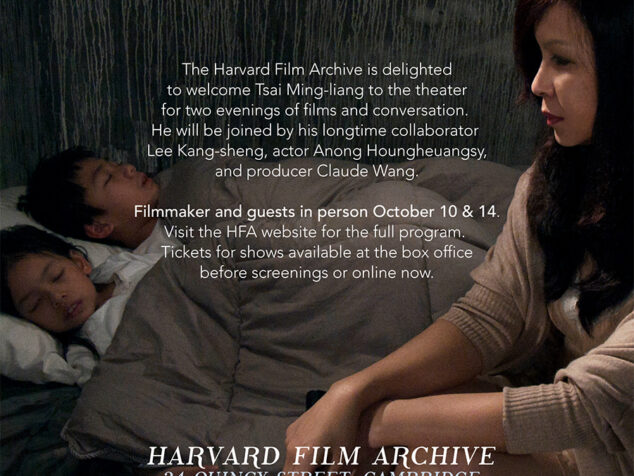
Rare and valuable is the filmmaker who expands one’s conception of the cinematic art; rarer still is the filmmaker who enlarges one’s notion of the term “director.” Malaysian-born, Taiwan-based auteur
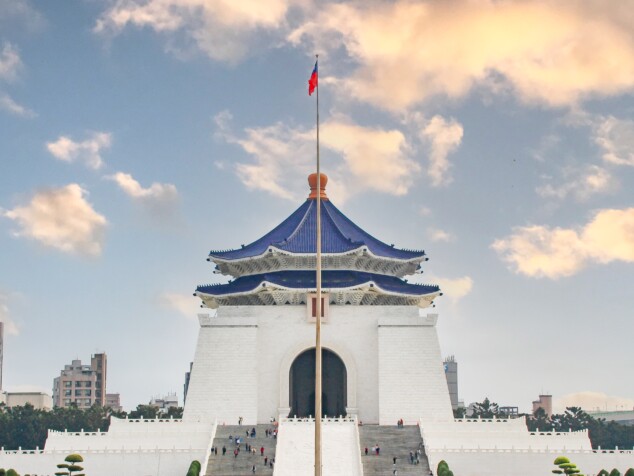
Speaker: Linh Vu, Assistant Professor, Arizona State University This talk focuses on (1) the politics of martyr commemoration in Republican China (1911–1949) and (2) the governance of the posthumous identities of