Calendar of Events
|
Sunday
|
Monday
|
Tuesday
|
Wednesday
|
Thursday
|
Friday
|
Saturday
|
|---|---|---|---|---|---|---|
|
0 events,
|
2 events,
-
Speaker: Jie Gao, Assistant Professor, Department of Political Science, National University of Singapore; HYI Visiting Scholar, 2022-23Discussant: Isabella Weber, Assistant Professor of Economics, University of Massachusetts, Amherst In China as in many other Communist countries, the evolution of socialist planning has been central to the transition from a planned economy to a market-oriented one. Conventional
-
Speaker: Chen Jinsong, Shenzhen Worldunion Group (世联行) This event series is made possible by the generous support of the MIT Sustainable Urbanization Lab, the School of Community and Regional Planning at the University of British Columbia, and the Harvard Fairbank Center for Chinese Studies. Venue |
1 event,
-
Fairbank Center visiting scholars will share their research in China studies with the Harvard community. This workshop-style event will feature current research on the social networks of Chinese equity analysts, Korea-China relations, European-Chinese imperial maps of Central Asia, and land development in China. There will be an opportunity for Q & A discussion following each |
3 events,
-
Speaker: Li Chunyuan, Associate Professor, Department of History, Xiamen University; HYI Visiting Scholar, 2022-23 Chair/Discussant: David Yang, Associate Professor of Economics, Harvard University Harvard-Yenching Institute Visiting Scholar Talk Masks are required for all in-person audience members. Seating is limited. Venue
-

Speaker: Austin Strange, Assistant Professor of International Relations, Department of Politics and Public Administration, University of Hong Kong Infrastructure is at the heart of China’s growing, controversial presence in global development. In addition to economic considerations, infrastructure projects are important cogs in China’s pursuit of international influence. But do overseas infrastructure projects actually serve as
-
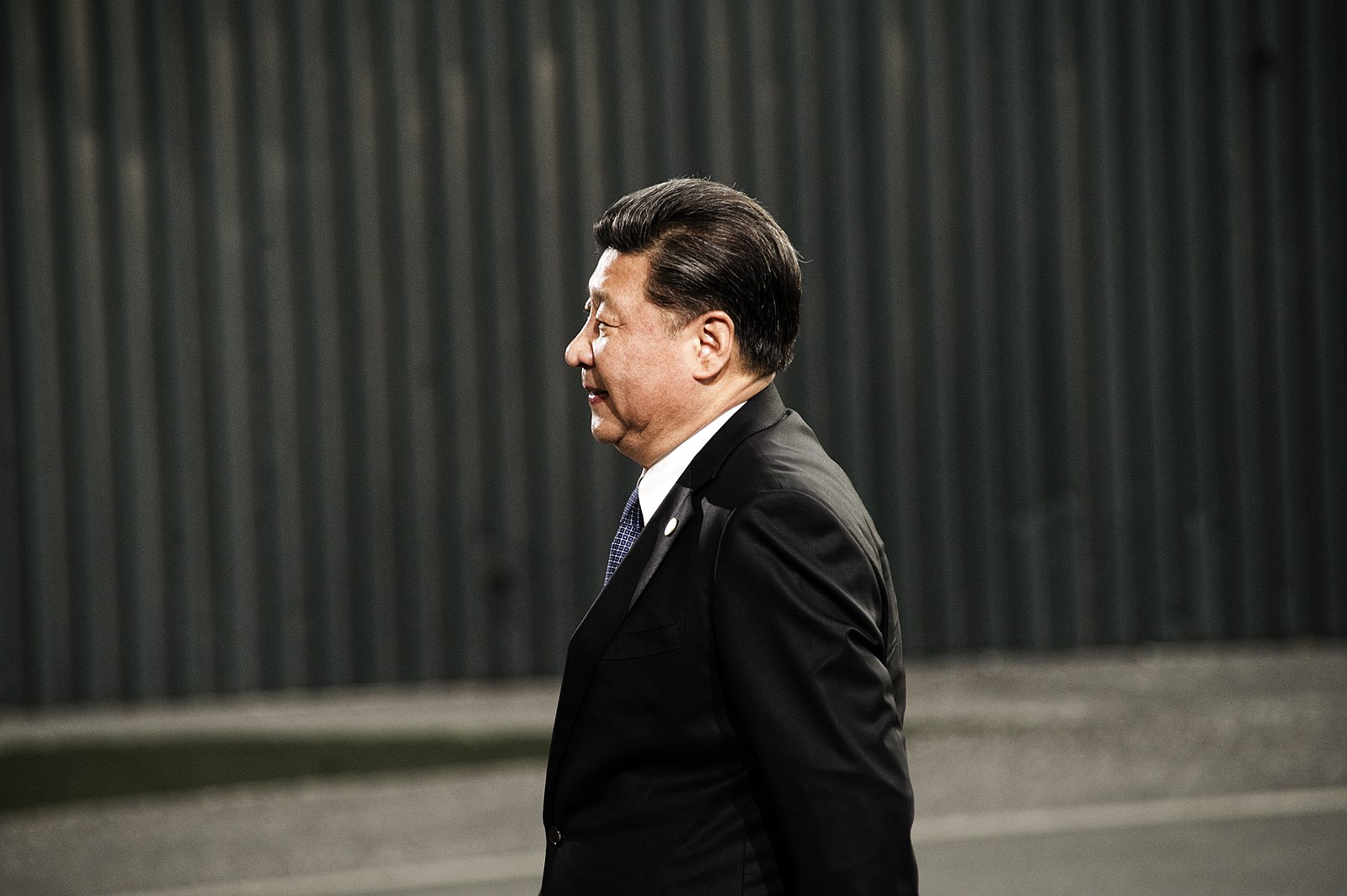
Speaker: Joseph Torigian, Assistant Professor, School of International Service, American University After the Cultural Revolution, a three-fold succession crisis loomed for the People’s Republic of China. First, at the very top, old party cadres dominated and were reluctant to relinquish their positions – especially after spending so much time with no power whatsoever during the |
2 events,
-
Host: Lawrence Bobo, Dean of Social Science, Faculty of Arts and Sciences, Harvard UniversityModerator: Mark Elliot, Vice Provost for International Affairs; Mark Schwartz Professor of Chinese and Inner Asian History, Harvard UniversityPanelists:Ya-Wen Lei, Associate Professor, Department of Sociology, Harvard UniversityVictor Seow, Assistant Professor, History of Science, Harvard UniversityYuhua Wang, Professor of Government, Harvard UniversityDavid Yang,
-
Read our blog post on the event: Friends with “No Limits”? A Year into War in Ukraine, History Still Constrains Sino-Russian Relations Speakers:Andrew S. Erickson, Professor of Strategy and Research Director, U.S. Naval War College (NWC) China Maritime Studies Institute (CMSI); Visiting Professor, Government Department, Harvard University; Associate in Research, Fairbank Center for Chinese Studies.M. Taylor Fravel, Arthur and |
0 events,
|
0 events,
|
|
0 events,
|
2 events,
-
Speakers:Darshana M. Baruah, Fellow, South Asia Program, Carnegie Endowment for International PeaceAndrew Chubb, Senior Lecturer in Chinese Politics and International Relations, Lancaster UniversityIsaac B. Kardon, Senior Fellow for China Studies, Carnegie Endowment for International PeaceModerators:Nargis Kassenova, Senior Fellow; Director, Program on Central Asia, Davis Center for Russian and Eurasian StudiesJames Evans, Ph.D. Candidate in History,
-
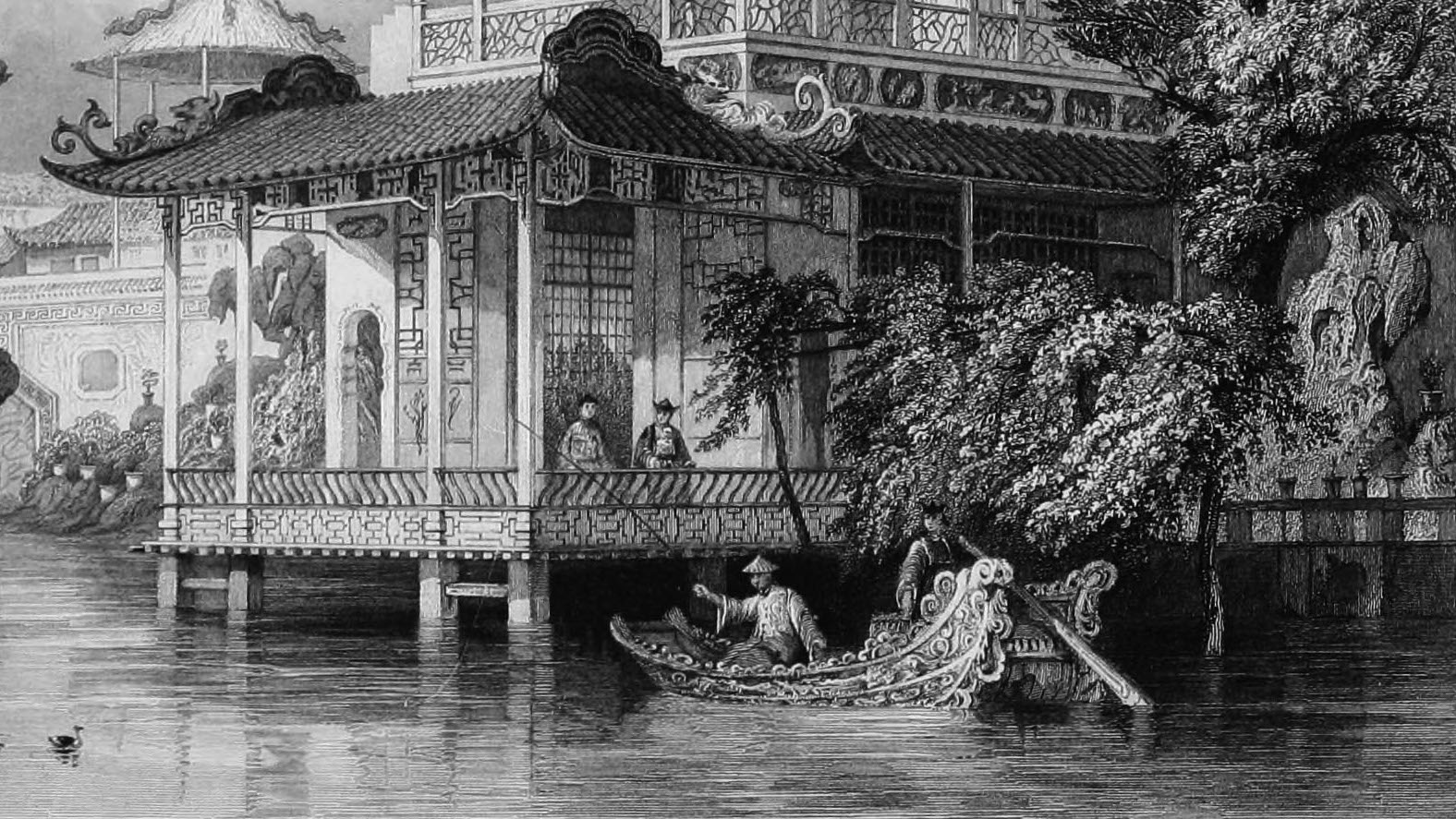
Speaker: Ariel Fox, Assistant Professor of Chinese literature, University of Chicago. This talk explores the way in which commercial identities are recast and recreated in the plays of the Suzhou circle, a group of collaborative playwrights active in the mid-seventeenth century. In plays that center the denizens of the marketplace, the Suzhou circle brings to |
1 event,
-
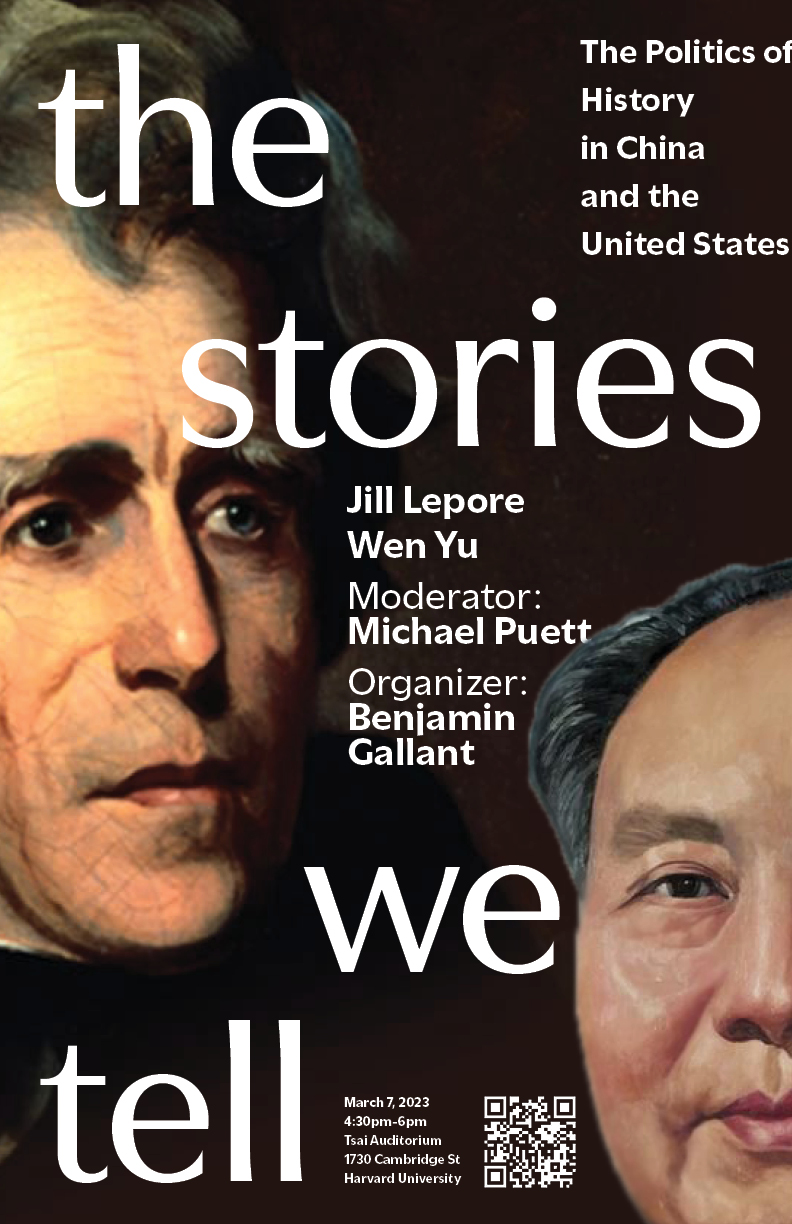
Read our blog post on the event: The Stories We Tell: Can the U.S. and China Reset their Conflicting Narratives? Speakers:Jill Lepore, David Woods Kemper ’41 Professor of American History and Affiliate Professor of Law, Harvard University; Staff Writer, The New YorkerWen YU, Visiting Assistant Professor of History, Boston College Moderator: Michael Puett, Walter C. |
4 events,
-
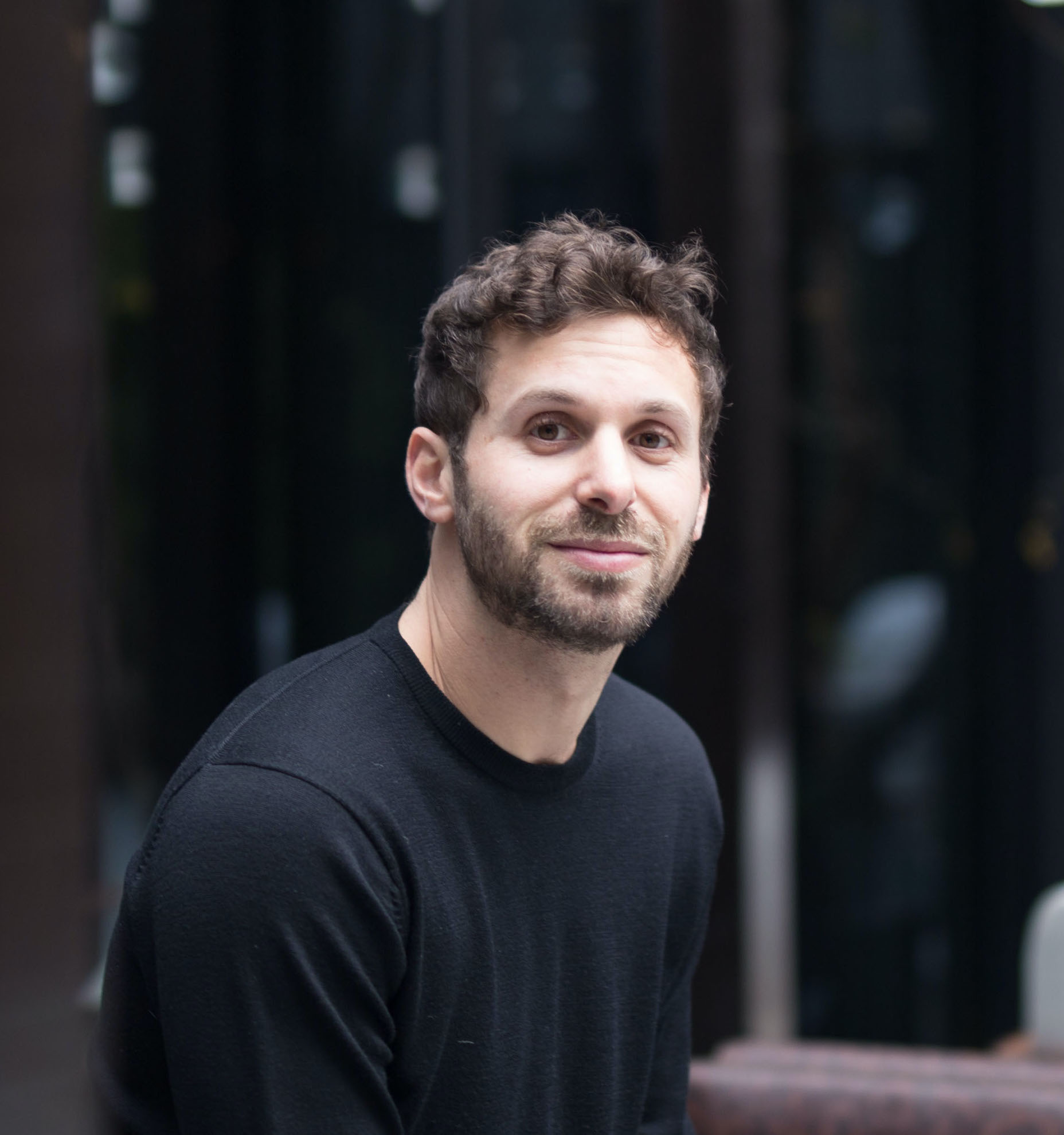
Speaker: Zak Dychtwald, Founder and CEO, Young China Group There is enormous discussion of China’s hundreds of millions of young people. Consumer, competitor, collaborator, and most recently political participant – this young generation will define China’s role on the world stage in the decades to come. They have grown up with enormous economic progress, relatively
-
Speaker: Haiyang Lin, Postdoctoral Fellow, Harvard-China Project on Energy, Economy and Environment Texas, as the largest oil and natural gas producer in the United States, faces significant challenges in the global move towards decarbonization. As a potential solution, this study examines the feasibility of investing in green hydrogen, a promising alternative to oil and gas
-
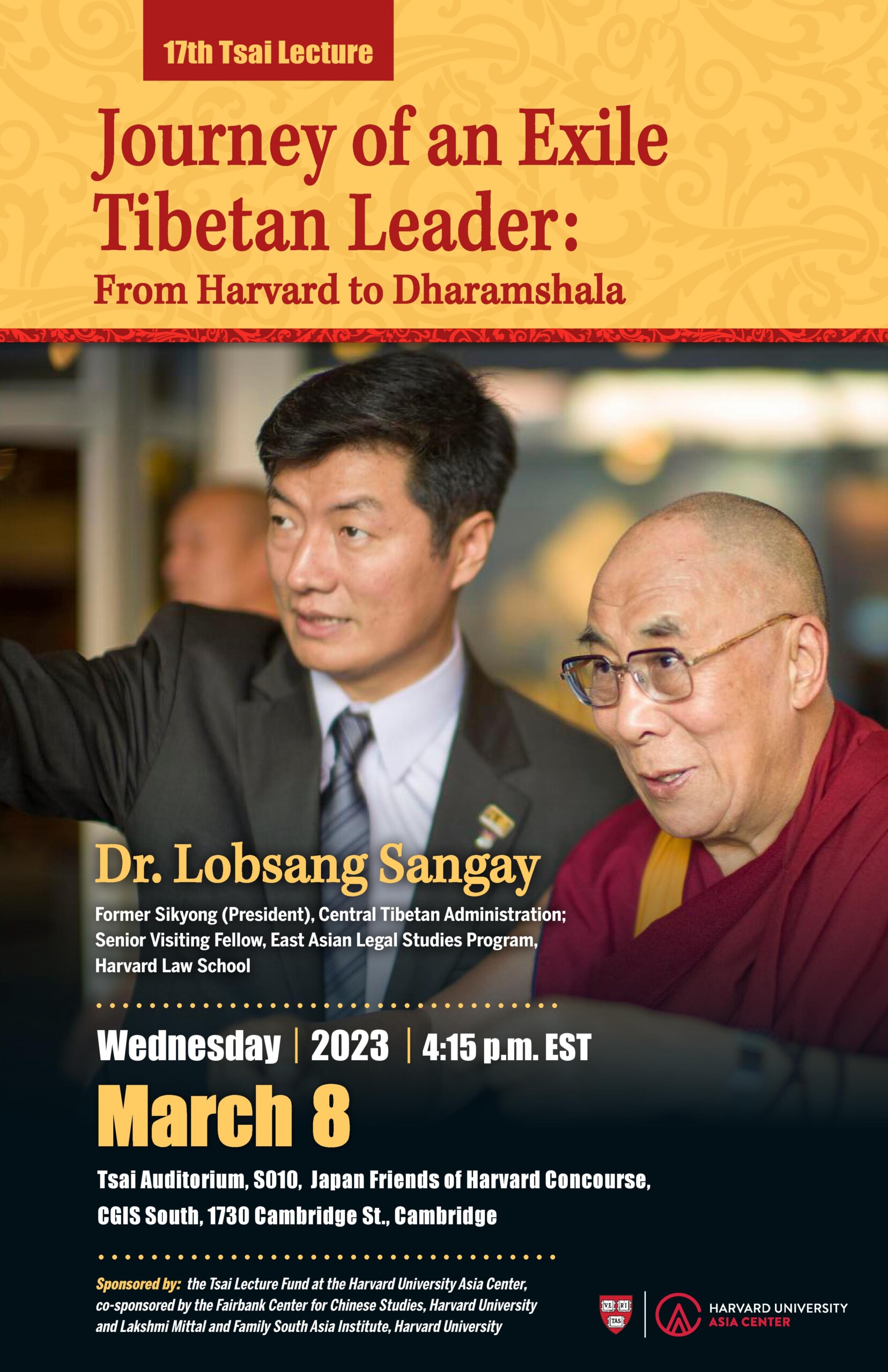
Speaker: Dr. Lobsang Sangay, Former Sikyong (President), Central Tibetan Administration; Senior Visiting Fellow, East Asian Legal Studies Program, Harvard Law School Harvard University Asia Center's 17th Tsai Lecture, sponsored by the Tsai Lecture Fund at the Harvard University Asia Center, co-sponsored by the Fairbank Center for Chinese Studies, Harvard University and Lakshmi Mittal and Family South
-
Speaker: Wei-Cheng Lin, University of Chicago Venue |
0 events,
|
2 events,
-
Speaker: Niccolò Pianciola, Associate Professor of History, University of PaduaModerator: Nargis Kassenova, Senior Fellow; Director, Program on Central Asia, Davis Center for Russian and Eurasian Studies By comparing the border area between Turkestan and Xinjiang with the region in the Russian Far East bordering Manchuria, the talk will explore how the cross-border opium economy connected
-
Speaker: Norifumi Sakai, Associate Professor, Keio University; HYI Visiting Scholar, 2022-23Discussant: James Robson, James C. Kralik and Yunli Lou Professor of East Asian Languages and Civilizations, Harvard University Harvard-Yenching Institute Visiting Scholar Talk Seating is limited. Masks are required for all in-person audience members. Venue |
0 events,
|
|
0 events,
|
1 event,
-
Speaker: Tao Ran, The Chinese University of Hong Kong (Shenzhen) This talk outlines a holistic analytical framework for China’s current growth and urbanization model, as well as its political and economic background and consequences. Tao Ran argues that China has developed an investment-driven and export-oriented growth and urbanization model since the mid-1990s. Under this model, |
0 events,
|
2 events,
-
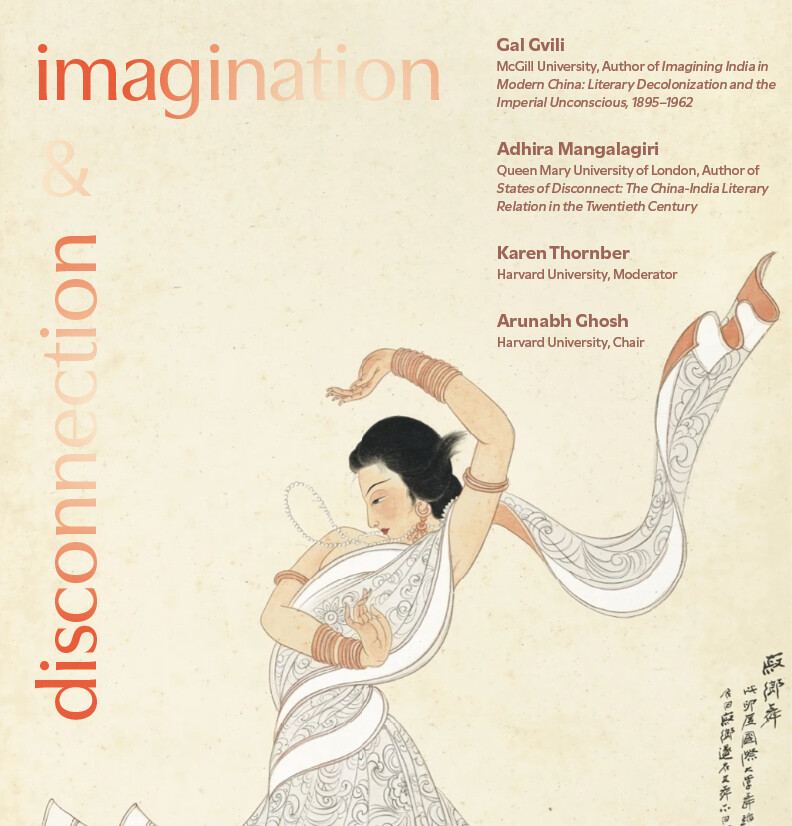
Speakers:Gal Gvili, McGill University; Author, Imagining India in Modern China: Literary Decolonization and the Imperial Unconscious, 1895–1962Adhira Mangalagiri, Queen Mary London; Author, States of Discontent: The China-India Literary Relation in the Twentieth CenturyModerator: Karen Thornber, Harry Tuchman Levin Professor in Literature and Professor of East Asian Languages and Civilizations, Harvard UniversityChair: Arunabh Ghosh, Associate Professor
-
Speakers:Takeo Hoshi, Professor and Dean of the Graduate School of Economics, University of TokyoPaul Sheard, former Senior Fellow, Harvard Kennedy School and author of The Power of MoneyWei Xiong, Professor of Economics, Princeton University Moderators:Richard Yarrow and Jinlin Li, Mossavar-Rahmani Center for Business and Government, Harvard Kennedy School In the 1980s, Japan’s economic growth represented |
1 event,
-
The Shōsōin Treasury, located near the Tōdaiji monastery in Nara, Japan, houses over 9000 objects and ancient documents dating to the eighth century or earlier. These diverse objects showcase the cultural traditions of not only Nara Japan, but also Silla Korea, Tang China, the Central Asian kingdoms, Sasanian Iran, and beyond. This inaugural conference, “The |
0 events,
|
0 events,
|
|
0 events,
|
3 events,
-
Read our blog posts on the event: Exploring How the Environment Shapes China’s History and Conference Examines Planning and China’s Rapidly Growing Cities Organizer: Ling Zhang, Boston College; Convener of the Environment in Asia series Note: Due to the limited capacity of the venue, the symposium will be a closed-door event. The public may view
-
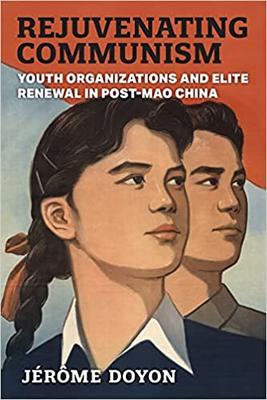
Speaker: Jérôme Doyon, Junior Professor at SciencesPo; author of Rejuvenating Communism: Youth Organizations and Elite Renewal in Post-Mao ChinaRespondent: Elizabeth Perry, Henry Rosovsky Professor of Government at Harvard University; Director, Harvard-Yenching Institute, Working for the administration remains one of the most coveted career paths for young Chinese. "Rejuvenating Communism: Youth Organizations and Elite Renewal in Post-Mao China"
-
Imperial Gateway: Colonial Taiwan and Japan’s Expansion in South China and Southeast Asia, 1895–1945
Imperial Gateway: Colonial Taiwan and Japan’s Expansion in South China and Southeast Asia, 1895–1945
Speaker: Seiji Shirane, Assistant Professor, Department of History; Affiliated Faculty Member, Asian Studies Program, The City College of New York (CUNY) Moderator: Karen Thornber, Harry Tuchman Levin Professor in Literature; Professor of East Asian Languages and Civilizations, Harvard University Co-sponsored by the Edwin O. Reischauer Institute of Japanese Studies, Fairbank Center for Chinese Studies, and Harvard University |
0 events,
|
1 event,
-
Panelists:Yuen Yuen Ang, Alfred Chandler Chair of Political Economy, Johns Hopkins UniversityYasheng Huang, Epoch Foundation Professor of International Management, MIT Sloan School of ManagementDevesh Kapur, Starr Foundation Professor of South Asian Studies, Johns Hopkins University School of Advanced International Studies (SAIS)Pasuk Phongpaichit, Emeritus Professor of Political Economy, Chulalongkorn UniversityBridget Welsh, Honorary Research Associate, University of |
0 events,
|
1 event,
-
From Prometheus the Fire-Bringer to myths of cosmogony, light and luminosity is an enduring metaphor in human history. In modern science, light and luminosity are understood as matters of wavelength and energy. Yet in the Chinese context, luminosity is not confined to issues of the visual and visibility. In fact, luminosity had long been associated |
0 events,
|
|
0 events,
|
1 event,
-
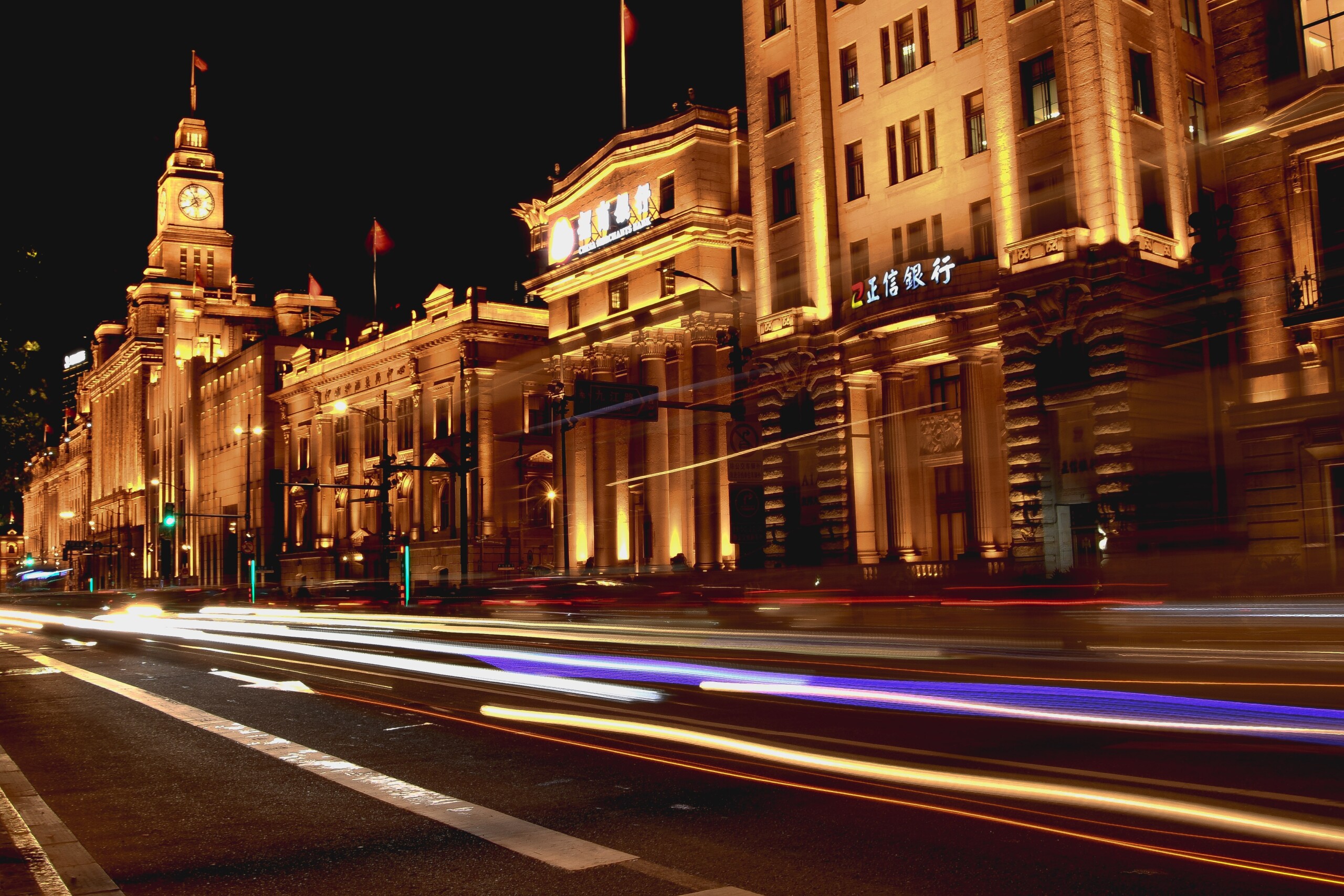
Speaker: Adam Liu, National University of Singapore The Henan bank protest, the Evergrande crisis, and the perennial local government debt issue in China all point to one thing: there’s something wrong with the country’s banking system and Beijing needs to fix it. In particular, it needs to better regulate the numerous small banks that are now so intimately |
1 event,
-

Read our blog post on this series of lectures: What Soy Sauce Can Tell Us About History, Politics—and Chinese Identity The lecture series examines the cultural and political meaning of soy sauce by tracing its long trajectory from an obscure elite condiment to a mundane, everyday food in the modern period. The condiment acquired in |
3 events,
-
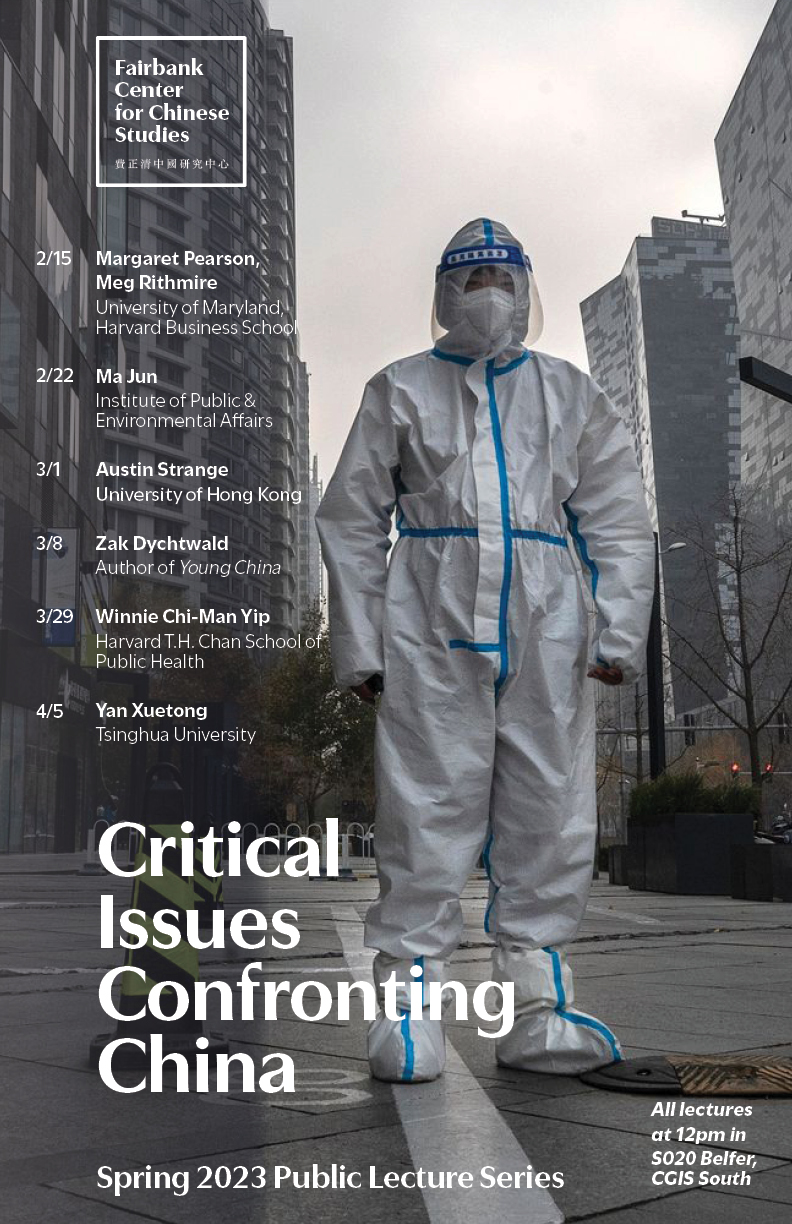
Read our blog post on the event: How a Slowing Economy—and Big Hospitals—Are Challenging Healthcare Reform in China Speaker: Winnie Chi-Man Yip, Professor of the Practice of Global Health Policy and Economics, Department of Global Health and Population, Harvard T.H. Chan School of Public Health Discussant: William Hsiao, K.T. Li Professor of Economics, Emeritus, in
-
Read our blog post on this series of lectures: What Soy Sauce Can Tell Us About History, Politics—and Chinese Identity The lecture series examines the cultural and political meaning of soy sauce by tracing its long trajectory from an obscure elite condiment to a mundane, everyday food in the modern period. The condiment acquired in |
1 event,
-
Read our blog post on this series of lectures: What Soy Sauce Can Tell Us About History, Politics—and Chinese Identity The lecture series examines the cultural and political meaning of soy sauce by tracing its long trajectory from an obscure elite condiment to a mundane, everyday food in the modern period. The condiment acquired in |
1 event,
-
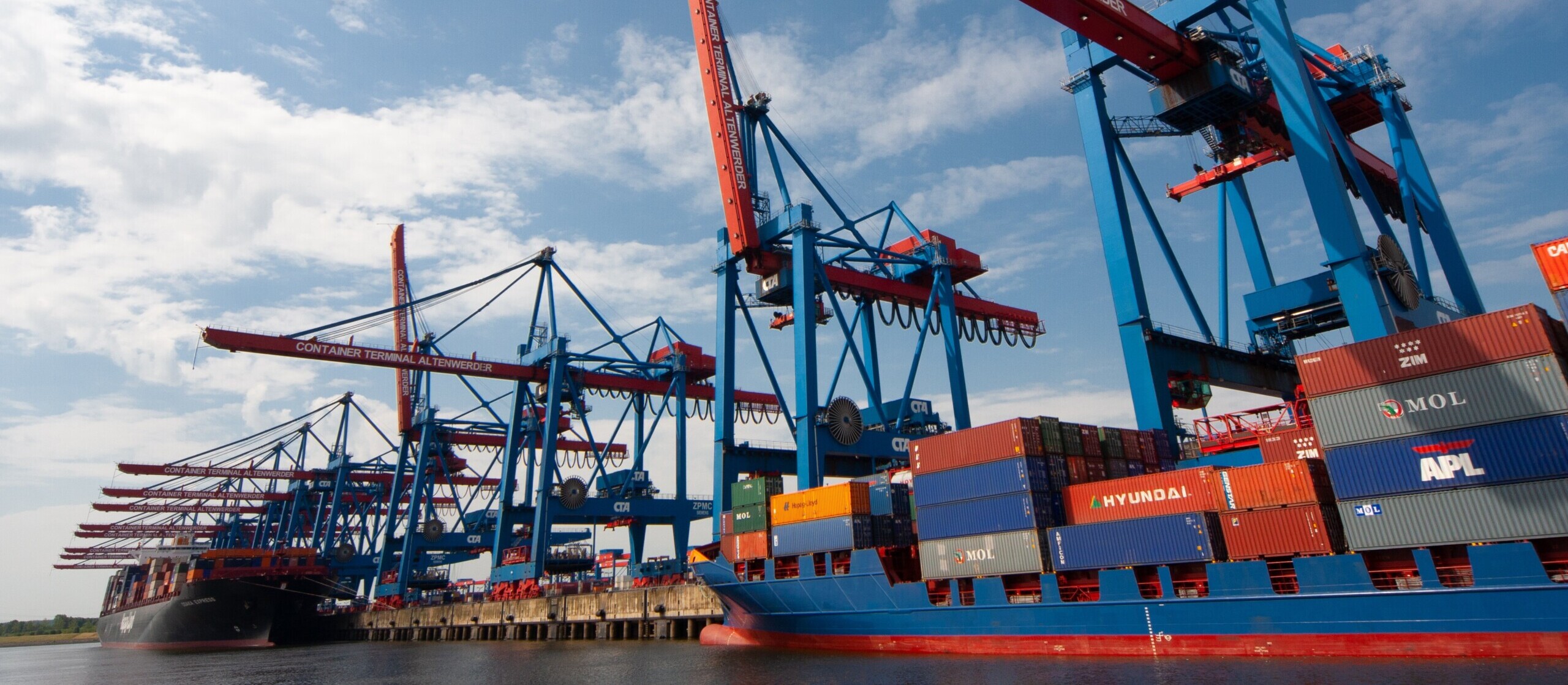
Speaker: Henry Gao, Professor of Law, Singapore Management University; Senior Fellow, CIGI Henry Gao is Professor of Law at Singapore Management University and Senior Fellow at CIGI. With law degrees from three continents, he started his career as the first Chinese lawyer at the WTO Secretariat. He has been an advisor on trade issues to |
0 events,
|