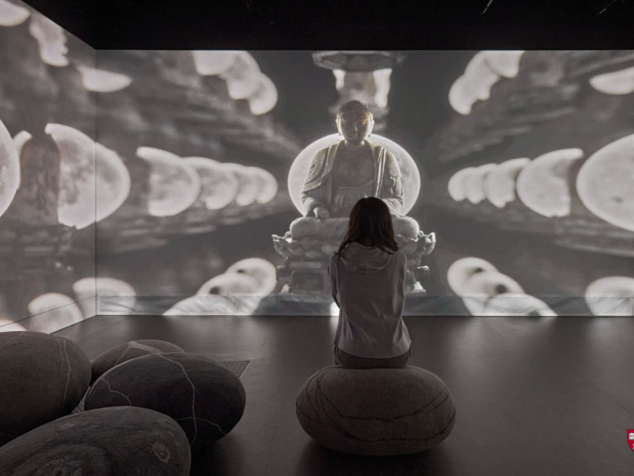
Spotlight: Eugene Wang, Abby Aldrich Rockefeller Professor of Asian Art Out of the pitch black, a painted clay Buddhist bodhisattva projected on transparent screens begins to shake and prance, coming […]
Spotlight: Eugene Wang, Abby Aldrich Rockefeller Professor of Asian Art Out of the pitch black, a painted clay Buddhist bodhisattva projected on transparent screens begins to shake and prance, coming […]
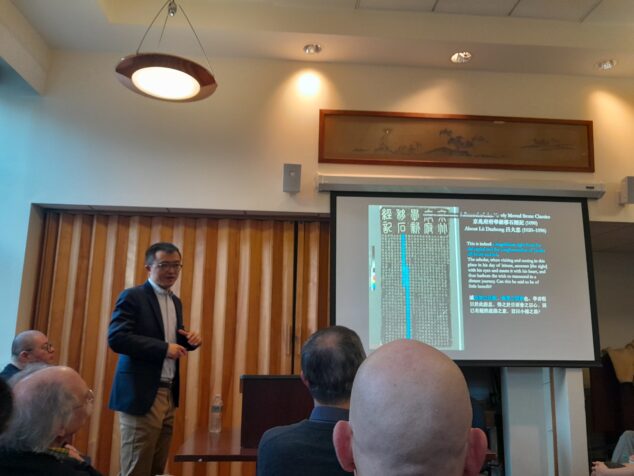
A museum of Tang Dynasty stelae in Xian shows how post-Tang scholars rewrote history, choosing to focus on traditional Confucian values.
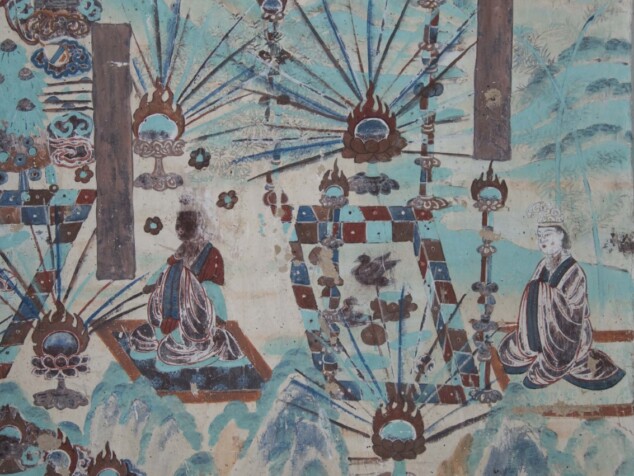
Speaker: Anne N. Feng, Assistant Professor of Chinese Art, Boston University This paper investigates the relationship between Buddhist meditation and images in medieval China by reconsidering the development of Pure
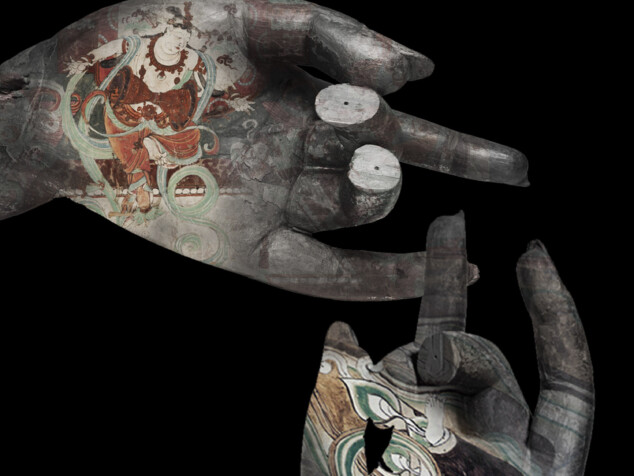
Topics: Movement has a distinctively rich tradition in China. Chinese Kinesthetic Forms considers movement as an organizing principle across myriad media and cultural forms—from dance and music, to painting and
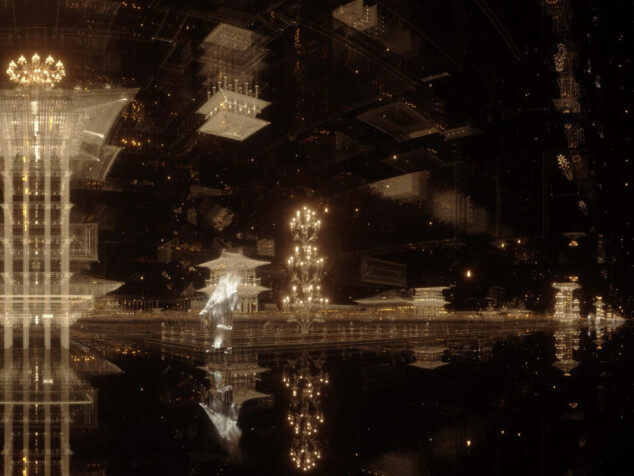
CAMLab Cave opens following two years of renovation. It serves as a hub of innovative forms of knowledge production, pedagogy, and sensorial media practice. The Opening Celebration features projects that
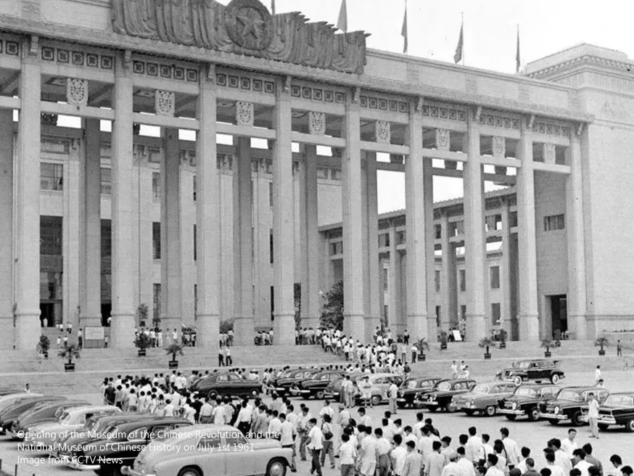
Topics: Organizer:Harvard CAMLab Academic Convenor:Jeffrey W. CODYFormer Senior Project Specialist, Building & Sites Department, Getty Conservation Institute WU JiangFormer Vice-President of Tongji UniversityAcademician of the French Academy of Architecture Panelist:FAN
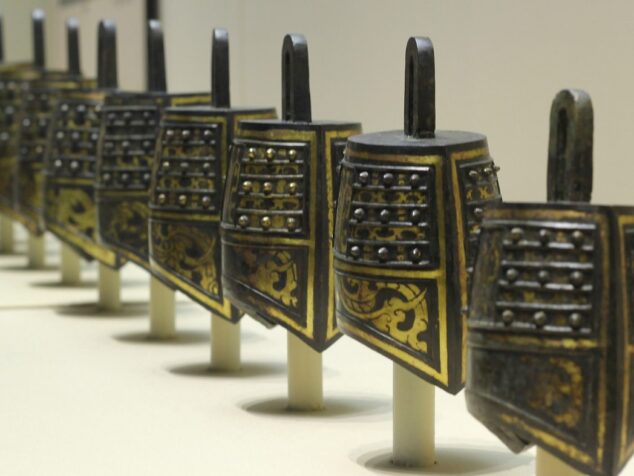
Ziliang Liu, a Ph.D. Candidate in the History of Art and Architecture at Harvard University, describes his close encounter with a unique Confucius Dressing Mirror once owned by the Marquis of Haihun during his summer research at a Jiangxi archaeological base.
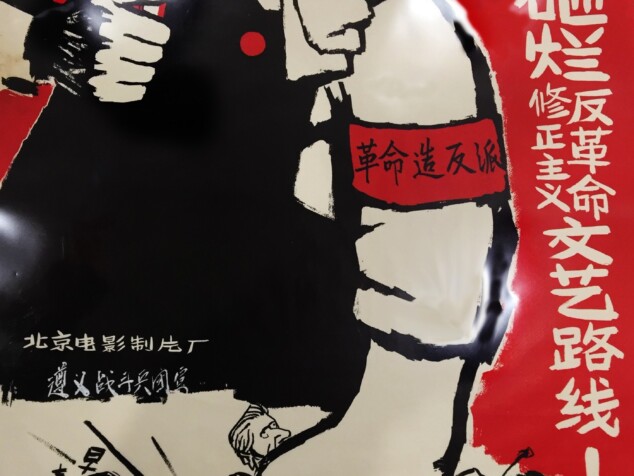
Julia Murray, Professor Emerita of Art History, East Asian Studies, and Religious Studies, at the University of Wisconsin-Madison, explores the artistic tradition of revolutionary posters in China.
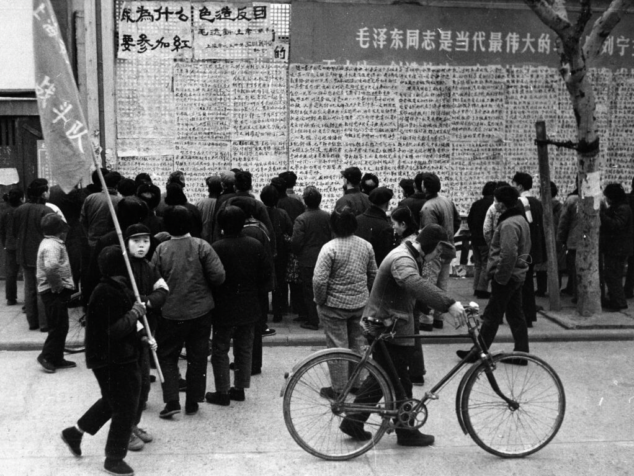
As part of the Fairbank Center’s exhibition of dazibao (大字报 “big-character posters”) and woodcuts from 1960s China, we present a four-part series on Cultural Revolution-era artworks. Jie Li, Professor of East Asian Languages and Civilizations at Harvard University, presents part 3 on the exhibitionism of dazibao.
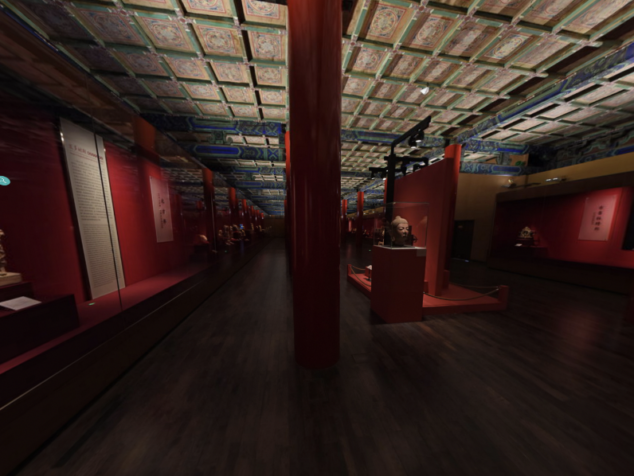
Jinah Kim, Gardner Cowles Associate Professor of History of Art and Architecture, examines how an exhibition on Buddhist art at Beijing’s Palace Museum could establish the foundation for greater dialogue and understanding between India and China.